


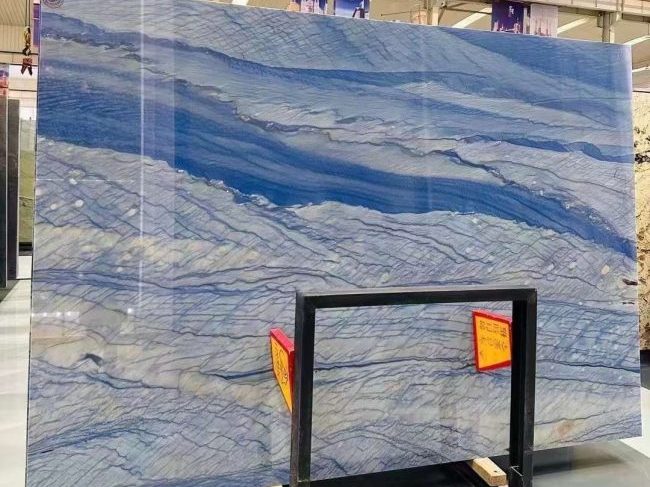
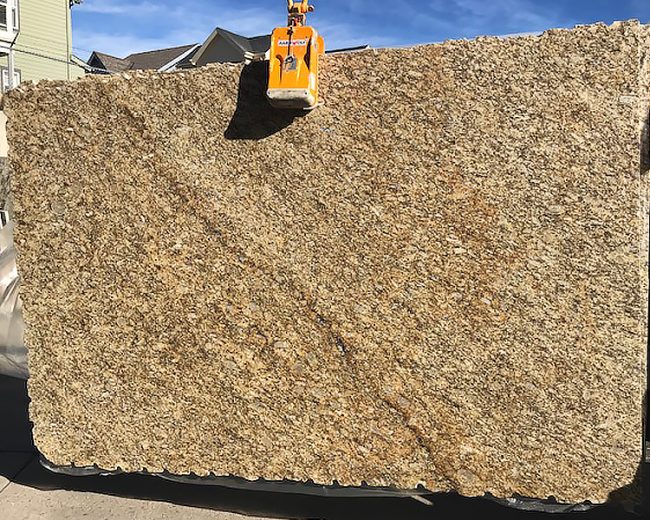
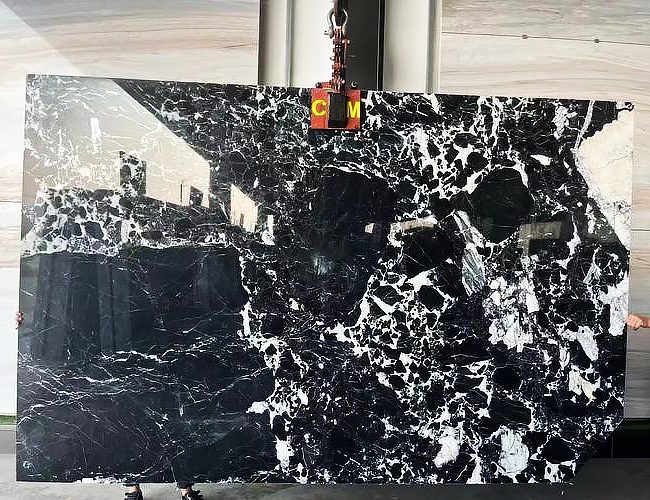
In home renovation and commercial space design, countertops are more than just functional surfaces—they shape the space’s style, durability, and daily experience. Whether you’re renovating a kitchen, upgrading a bathroom, or designing a hotel lobby, choosing the right countertop material is critical.
This guide breaks down the four mainstream countertop materials in detail, covering their origins, pros, cons, application scenarios, global trends, and pricing. Every section is split into short paragraphs (under 300 characters) for easy reading, helping you make an informed choice.

Core Overview of Four Countertop Materials
- Granite: A natural igneous rock formed by magma cooling underground over millions of years. Its crystalline structure gives it exceptional hardness, making it a durable choice for high-traffic areas.
- Marble: A metamorphic rock created when limestone undergoes intense heat and pressure. This process forms its signature veined patterns, a symbol of luxury since ancient times.
- Quartz: An artificial composite—90-95% natural quartz crystals (one of Earth’s hardest minerals) bound with 5-10% resin, pigments, and additives. It blends natural hardness with man-made flexibility.
- Sintered Stone: A modern artificial material. Made from natural minerals (quartz sand, feldspar, clay) pressed at 30,000+ psi and sintered at 1200-1500℃, it mimics natural stone with enhanced performance.
Detailed Pros & Cons of Each Material
1. Granite Countertops: The Durable Natural Workhorse

Century Star sources granite from Brazil, India, and Norway, offering colors like Absolute Black (deep), Baltic Brown (warm beige), and Steel Grey (neutral). It’s a top pick for spaces needing toughness.
- Advantages:
-
- Exceptional Durability: Mohs hardness 6-7—resists scratches from knives/pots. Withstands 200-300℃, so hot cookware won’t crack or discolor it.
-
- Unique Natural Beauty: No two slabs are identical. Speckles, veins, or flecks add character, perfect for those wanting a “one-of-a-kind” look.
-
- Low Long-Term Maintenance: Professional initial seal (included with Century Star installation) resists stains. Wipe spills with a damp cloth and neutral detergent. Re-seal every 1-2 years.
-
- Cost-Effective Longevity: Lifespan 25-30+ years. While upfront cost is higher than laminates, it rarely needs replacement, saving money long-term.
- Disadvantages:
-
- Heavy Weight: 18-20 lbs per sq ft (3cm slab). Cabinets need reinforcement to avoid sagging—adds installation cost for weak or old cabinetry.
-
- Visible Seams: Slabs are 9-10ft long, 5-6ft wide. Large countertops (10ft+ islands) need splicing, and seams are noticeable, ruining a “seamless” look.
-
- Limited Color Customization: Colors/patterns depend on nature. No pastels or neon hues—options are limited to quarry availability.
2. Marble Countertops: The Luxury Natural Statement

Century Star’s marble collection includes iconic varieties: Italian Carrara (white with gray veins), Calacatta (white with gold veins), and Turkish Travertine (beige with holes). It’s synonymous with elegance.
- Advantages:
-
- Unmatched Aesthetic Appeal: Veined patterns—subtle gray or bold gold—elevate luxury spaces. Perfect for high-end bathrooms, hotel lobbies, or gourmet kitchen islands.
-
- Cool Surface: Natural thermal conductivity keeps it cool. Ideal for bathroom vanities (resting hands) or baking islands (rolling dough).
-
- Eco-Friendly: 100% natural, no formaldehyde, VOCs, or heavy metals. Sustainable and recyclable at the end of its lifespan.
-
- Versatile Processability: Softer than granite, easy to cut into custom shapes (curved edges, circular vanities). Century Star crafts unique profiles (bullnose, ogee) for any style.
- Disadvantages:
-
- Prone to Scratches: Mohs hardness 3-4—easily scratched by keys, utensils, or pet claws. Scratches are hard to fix; polishing only minimizes deep damage.
-
- High Stain Risk: Porous structure absorbs liquids quickly. Red wine, tomato sauce, or even water (left sitting) leaves permanent stains. Seal every 3-6 months for high-use areas.
-
- Poor Heat Resistance: Thermal shock from hot pots causes cracking/discoloration. Must use trivets near stovetops—risky for busy kitchens.
-
- Highest Cost: Rarity (especially Calacatta) and processing labor drive up prices. Repairs (polishing, stain removal) add long-term costs, not budget-friendly.
3. Quartz Countertops: The Low-Maintenance Artificial Favorite
Century Star’s quartz line includes natural stone mimics (granite speckles, marble veins) and bold modern colors (matte black, pale blue). Made with food-grade resin, it’s popular for easy care.

- Advantages:
-
- Stain-Proof & Non-Porous: Resin fills gaps between quartz crystals, blocking liquids. No sealing needed—wipe coffee/wine spills with a damp cloth and soap.
-
- Superior Scratch Resistance: Mohs hardness 7 (harder than granite). Resists most household scratches; only diamonds or industrial tools damage it.
-
- Seamless Look: Slabs up to 12ft long, 6ft wide. Fewer seams for large countertops, and professionals make seams nearly invisible (especially solid colors).
-
- Endless Customization: Man-made, so colors/patterns are customizable. Match paint, create unique veins, or choose solid matte finishes—ideal for modern/eclectic styles.
-
- Consistent Quality: Manufactured to strict standards, no density/veining variations. Perfect for large projects (hotels, apartments) needing uniformity.
- Disadvantages:
-
- Not Heat-Resistant: Resin softens over 150℃ (300℉). Hot pots warp, discolor, or melt the surface—must use trivets, inconvenient for busy kitchens.
-
- UV Fading: Direct sunlight (outdoor patios, unshaded windows) fades colored quartz. Limits outdoor use and requires caution with window placement.
-
- Heavy: 18-22 lbs per sq ft (3cm slab). Needs reinforced cabinets, adding installation cost like granite.
-
- Hard to Repair: Deep scratches/chips can’t be polished out. Resin filling leaves visible marks; severe damage needs full slab replacement.
4. Sintered Stone Countertops: The Modern High-Performance Option
Century Star’s sintered stone (branded “CenturySinter”) mimics marble, granite, or wood. Designed for high-performance spaces, it’s the newest but fastest-growing countertop material.

- Advantages:
-
- All-in-One Performance: Mohs 6-7 (scratch-resistant), non-porous (stain-proof), heat-resistant to 1200℃ (handles hot pots). Resists chemicals (vinegar, bleach) and UV—suitable for outdoors.
-
- Whole-House Cohesion: Beyond countertops, use for walls, floors, cabinet doors, or outdoor cladding. Create a seamless look (e.g., kitchen countertops + backsplashes + floors).
-
- Long Lifespan: 20-30 years with care, matching granite. Resists wear, stains, and heat—no degradation in high-use areas (family kitchens, restaurant bars).
-
- Eco-Friendly Manufacturing: Made from abundant natural minerals (quartz sand, feldspar) with low-emission processes. No toxic resins/additives—safe for food and the environment.
- Disadvantages:
-
- High Installation Cost: Hardness requires specialized tools (diamond saws) and experienced installers. Installation cost is 20-30% higher than granite/quartz.
-
- Less Unique Texture: Patterns are printed/molded, lacking natural stone’s unique variation. Homeowners valuing “authenticity” may find it “artificial.”
-
- Higher Upfront Cost (Than Granite/Quartz): More expensive than granite/quartz but cheaper than premium marble (Calacatta). Price reflects performance but is out of budget for some.
-
- Limited Repairs: Deep scratches/chips can’t be polished. Resin filling is visible; severe damage needs slab replacement—costly and time-consuming.
Application Scenarios (Table Format)
| Material | Best For (With Century Star Project Examples) | Avoid For (Reasons) |
| Granite | 1. Family kitchens (Texas client: Absolute Black granite resists kids’ dropped utensils)2. Outdoor terraces (Florida resort: Baltic Brown granite resists rain/chlorine)3. Commercial break rooms (Chicago office: Steel Grey granite handles 200+ employees) | 1. Weak cabinets (New York apartment needed cabinet reinforcement)2. Seamless design goals (LA homeowner switched to quartz for 12ft island) |
| Marble | 1. Luxury bathrooms (Beverly Hills mansion: Calacatta marble + gold fixtures)2. Living room coffee tables (Paris apartment: Carrara marble fits classical style)3. Hotel lobbies (Rome 5-star hotel: Travertine marble aligns with historic aesthetic) | 1. Busy kitchens (Seattle family switched to quartz due to stains/scratches)2. Outdoor spaces (Arizona homeowner’s marble faded/cracked in sun) |
| Quartz | 1. Modern kitchens (Toronto client: Matte black quartz pairs with stainless steel)2. Kids’ bathrooms (Atlanta family: Pale blue quartz resists toy scratches)3. Restaurant bars (NY bistro: Marble-veined quartz handles nightly use) | 1. Outdoor patios (California homeowner’s quartz faded in 1 year)2. High-heat zones (Boston chef chose granite near stovetops) |
| Sintered Stone | 1. High-end kitchens (Vancouver homeowner: CenturySinter marble-look + backsplashes)2. Outdoor kitchens (Colorado ranch: Resists snow/sun/grease)3. Whole-house renovations (London family: Unified kitchen/bathroom/entryway) | 1. Budget projects (Philadelphia renter chose granite)2. Vintage styles (Charleston cottage: Too “modern” for historic decor) |
Global Popularity Trends
Europe
- Marble: Dominates luxury spaces. Italy/France love it for historic homes and high-end hotels—Carrara marble is a status symbol.
- Quartz: Growing fast in Germany/UK. Urban dwellers prioritize low maintenance; quartz fits busy city lifestyles.
- Granite: Used for outdoor spaces (Mediterranean patios) and commercial areas—withstands Europe’s variable weather.
- Sintered Stone: Emerging in luxury projects (Parisian penthouses, Milan boutiques). Designers value its versatility for whole-house looks.
North America

- Quartz: Most popular—40% market share in the US (per American Home Decoration Association). US/Canada prioritize convenience; no sealing appeals to busy families.
- Granite: Still common in the South (Texas, Florida). Outdoor use (poolside bars) and rural homes prefer its natural look.
- Marble: Limited to high-end spaces (Beverly Hills mansions, NYC penthouses). Seen as a “luxury splurge” due to maintenance needs.
- Sintered Stone: Fast-growing. West Coast (California, Vancouver) homeowners love its outdoor durability and modern style.
Asia
- Quartz/Granite: Mainstream in China/India. Young homeowners choose quartz for easy care; families prefer granite for durability.
- Marble: Rising in high-end markets (Shanghai, Singapore). Luxury villas and 5-star hotels use it to signal prestige.
- Sintered Stone: New but popular in urban areas (Tokyo, Seoul). Designers use it for small apartments—maximizes space with whole-house cohesion.
Price Comparison & Value Analysis
Price Order (From Low to High)
- Granite: \(50-\)100. Entry-level (Baltic Brown) starts at \(50; premium (Blue Pearl) up to \)100. Lowest upfront cost among natural stones.
- Quartz: \(60-\)120. Basic solid colors start at \(60; marble-veined designs up to \)120. Higher than granite but lower than sintered stone/marble.
- Sintered Stone: \(80-\)150. Standard designs start at \(80; custom wood/marble looks up to \)150. More than granite/quartz but cheaper than premium marble.
- Marble: \(90-\)200. Entry-level (Travertine) starts at \(90; luxury (Calacatta) up to \)200. Most expensive due to rarity and processing.
Value for Money
- Best Budget Value: Granite. Low upfront cost + long lifespan—ideal for first homes or rental properties.
- Best Mid-Range Value: Quartz. Balances cost, style, and low maintenance—fits most homeowners’ needs.
- Best High-End Value: Sintered Stone. More affordable than marble but offers better performance—great for luxury renovations.
- Luxury Splurge: Marble. Unmatched elegance but high cost/upkeep—only worth it for spaces where aesthetics are top priority.
FAQ (Frequently Asked Questions)
1. Which material is best for a busy family kitchen?
2. How do I maintain each countertop material?
- Granite: Wipe with damp cloth + neutral detergent. Re-seal every 1-2 years. Avoid acidic cleaners (vinegar).
- Marble: Wipe spills immediately. Seal every 3-6 months. Use trivets for hot items; avoid sharp tools.
- Quartz: Wipe with damp cloth + soap. No sealing needed. Avoid hot pots and UV exposure.
- Sintered Stone: Wipe with damp cloth. No sealing needed. Resists heat/chemicals but avoid abrasive cleaners.
3. Does Century Star offer customization?
4. Are Century Star’s materials safe for food contact?
5. Can sintered stone be used outdoors?
Call to Action
References
- American Home Decoration Association. (2024). North American Countertop Market Share Report. Home & Design Press.
- European Stone Association. (2023). Marble Usage Trends in Luxury European Residences. Stone Industry Journal, 18(2), 45-62.
- Century Star R&D Team. (2024). Performance Test Data of Granite, Quartz & Sintered Stone Countertops. Internal Technical Report.
- Chen, L. (2023). Natural vs Artificial Stone: Durability & Safety Comparison. Global Building Materials Magazine, 22(5), 78-91.
- Miller, D. (2022). Modern Countertop Design: Balancing Aesthetics & Functionality. Interior Design World, 30(3), 28-35.
- Lee, M. (2023). Commercial Countertop Selection: Materials for High-Traffic Spaces. Hospitality Design Magazine, 15(4), 56-63.
- International Stone Testing Institute. (2024). Heat & Stain Resistance Standards for Countertop Materials. Testing & Certification Journal.
- Asian Home Renovation Association. (2023). Quartz & Sintered Stone Popularity in Urban Asian Apartments. Asia Design Review, 12(6), 39-50.