



Resumo Rápido
Sintered stone is often the right choice for shower wall projects in North America when the design calls for large-format visual calm, controlled surface pattern, lower-maintenance perception, and a more architectural finish than traditional tile can provide. It works best in projects where panel scale, layout planning, and tone coordination are treated seriously from the beginning. A successful sintered stone shower wall should feel intentional, premium, and easy to integrate with the full bathroom rather than overly graphic or too product-driven.

Shower wall selection has become more strategic in North America because bathrooms are no longer being designed only as utility zones. In many luxury homes, boutique hospitality interiors, and upscale multifamily projects, the shower wall is one of the most visible vertical surfaces in the room. It affects how spacious the bathroom feels, how calm the palette reads, and how refined the finished project appears in both daily use and photography.
That shift is exactly why sintered stone has become more relevant. Designers and buyers are often looking for a wall surface that feels premium and architectural, but also more controlled than some natural stones and visually cleaner than modular tile systems. Sintered stone can answer that need very well. It offers large-panel potential, broad design choice, and a surface language that often aligns with contemporary North American preferences for calm luxury and material clarity.
Still, this does not mean sintered stone is automatically the best answer for every shower. The more useful question is when to use it, what kind of project benefits most from it, and where it can outperform other stone directions in real design and project terms. A good shower wall stone guide should not just praise the material. It should help designers, specifiers, and buyers decide where sintered stone genuinely makes sense.
Why Sintered Stone Has Become So Relevant for Shower Walls
Sintered stone has gained traction because it fits the way many premium bathrooms are being designed now. Rather than relying on many small elements, these bathrooms often aim for fewer, larger, calmer surfaces. Large-format shower walls reduce visual interruption and help the room feel more composed. Sintered stone supports that approach especially well because it is often available in panel-friendly formats and a wide range of controlled designs.
Another reason is design predictability. Many buyers want the visual mood of marble, limestone, or concrete, but with more consistency in tone and pattern direction. Sintered stone often delivers that kind of controlled appearance. This can be especially valuable in projects where multiple bathrooms need to follow the same design language or where the owner wants a premium result without the stronger natural variation that comes with some stone selections.
It is also attractive because it usually reads as contemporary. In North America, many designers are trying to create bathrooms that feel refined, quiet, and up to date without becoming cold. Sintered stone can fit that goal very well when the chosen design is subtle and the surrounding finishes are coordinated intelligently.
When Sintered Stone Is Usually the Right Choice
When the Project Needs Large-Format Calm
Sintered stone is often a strong choice when the design depends on broad vertical surfaces with fewer joints. If the shower should feel monolithic, expansive, or more architectural than tiled, sintered stone usually deserves serious consideration. This is one of its clearest strengths.
When Pattern Control Matters
In some projects, buyers love the idea of stone but want to avoid excessive unpredictability. Sintered stone can be very useful in this situation because it offers marble-look, stone-look, and mineral-inspired surfaces with a more controlled visual language. That control can make it easier to coordinate the shower wall with vanity tops, floors, or other finishes in the room.
When the Bathroom Needs a Contemporary Premium Look
If the design direction is warm modern, minimalist, hospitality-inspired, or clean-lined residential luxury, sintered stone often fits naturally. It can feel sharper and more edited than some traditional stone wall treatments while still carrying visual depth.
When Repetition Across Multiple Bathrooms Is Important
For developers, hospitality buyers, and large residential projects, consistency can matter almost as much as beauty. Sintered stone is often chosen because it helps maintain a more unified appearance from one bathroom to another. In these contexts, design stability is not a minor advantage. It can be a deciding factor.

When Other Materials May Be Better
Sintered stone is not always the best answer. If the project depends on the emotional value of true natural veining, strong geological authenticity, or the unique identity of a particular slab, quartzite or marble may offer more design character. Sintered stone can emulate these looks convincingly in many settings, but some high-end clients still respond more strongly to natural slab individuality.
It may also be less compelling when the project wants a visibly handmade, highly tactile, or artisanal material language. Some bathrooms gain more personality from brushed limestone, richly varied marble, or other materials whose appeal depends on natural irregularity. Sintered stone usually works best where the design direction values composure, clarity, and finish control.
This is why the best design decision is rarely “sintered stone is better” in a general sense. The better conclusion is that it is better for certain goals. The more clearly those goals are defined, the easier the specification process becomes.
O que funciona melhor na América do Norte
In North America, the strongest sintered stone shower walls usually use quieter tones and less aggressive patterning. Soft whites, warm greiges, pale beiges, restrained grays, and controlled marble-look or stone-look surfaces generally perform best. They align with the market’s current preference for warm minimalism, layered neutrals, and bathrooms that feel premium but not overdesigned.
Projects in this region also tend to benefit from larger-format applications. Designers often prefer fewer panel breaks, especially in primary bathrooms and luxury residential work. This makes the shower feel more spacious and more expensive, while also simplifying the visual field. Sintered stone often shines most when it is allowed to work at that larger scale.
Another regional preference is balance. North American buyers often want bathrooms that look sophisticated in photographs but still feel comfortable in everyday life. Sintered stone works best when it supports that balance. Surfaces that are too glossy, too cold, or too strongly patterned can feel less convincing than quieter, more mature choices.
How to Judge Whether Sintered Stone Fits the Space
| Condição do projeto | Why Sintered Stone Works | O que observar | Melhor resposta de design |
|---|---|---|---|
| Large shower with clean lines | Supports broad, low-joint wall expression | Panel layout still needs discipline | Use large-format panels with restrained pattern |
| Warm modern bathroom palette | Greige and soft stone-look options integrate easily | Too-cool tones can break the mood | Choose warm-neutral or balanced undertones |
| Multi-bathroom project | Offers stronger visual consistency across rooms | Overly graphic designs repeat poorly | Use calmer surfaces with wide appeal |
| High-design feature shower | Can create a monolithic contemporary statement | Bold patterns may feel artificial at full scale | Favor controlled marble-look or architectural stone-look surfaces |
| Small bathroom needing openness | Large panels can reduce visual clutter | Dark or cold surfaces can shrink the space | Choose soft, light, room-expanding tones |
Lógica dos designers: por que eles especificam isso
Designers usually specify sintered stone for shower walls when they want to simplify the space visually without making it feel plain. That distinction matters. Simplicity in luxury design is rarely about using less valuable materials. It is about reducing unnecessary visual noise so that the room feels calm and resolved.
They also specify it when the project needs a more edited material story. In many bathrooms, the vanity, shower wall, flooring, and wall color all need to work together. Sintered stone can make that easier because it often offers a more predictable base tone and repeatable pattern direction than more variable natural stones.
Another reason is that it works well with the premium-but-practical expectations many North American clients now hold. Owners often want a bathroom that feels elevated and design-forward, but they do not always want the strongest visual variability or the most maintenance-sensitive material direction. Sintered stone often sits comfortably in that middle ground.

What Colors, Patterns, and Finishes Tend to Work Best
Soft White and Warm White
These are usually strong choices when the goal is brightness, openness, and a more spa-like bathroom. Warm white generally works better than blue-white in residential projects because it feels more comfortable and less clinical.
Greige and Pale Beige
These tones often perform especially well in North America because they work naturally with oak, walnut, brass, bronze, and layered neutral floors. They help the shower wall feel premium without excessive contrast.
Controlled Marble-Look Patterns
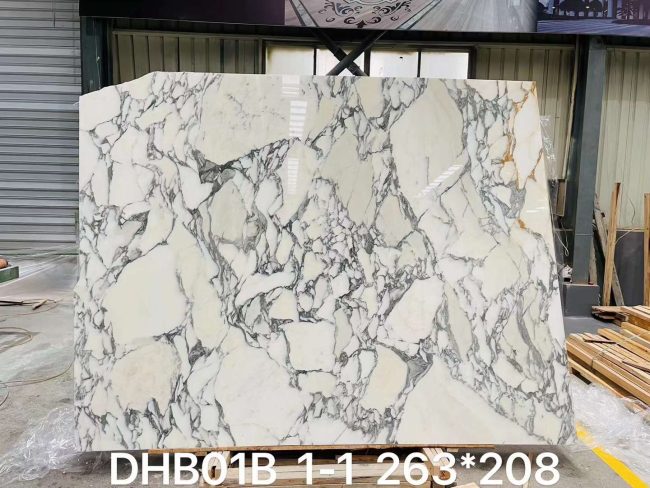
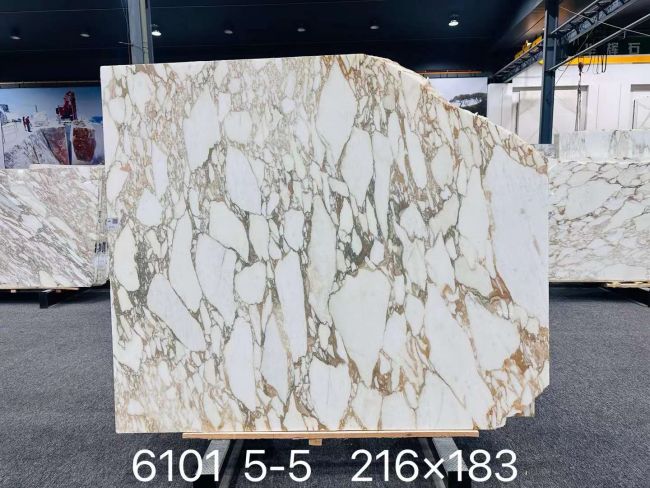
Marble-look sintered stone can work beautifully when the pattern is broad and disciplined. Highly graphic repeated veining is usually less successful at shower-wall scale. The best versions feel believable from across the room and still refined up close.
Matte or Soft-Honed Finishes
These finishes often feel most current and architectural. They reduce glare, soften the surface, and help the wall feel integrated rather than too polished. More reflective finishes can still work, but they need stronger lighting control and a clearer reason in the design narrative.
Realidade do projeto: detalhamento ainda importa
Even the right surface can fail if the detailing is weak. Niches, bench conditions, valve cutouts, corner transitions, and ceiling terminations all affect how premium the finished wall feels. Sintered stone often looks best when the detailing is clean and the number of interruptions is kept under control.
Panel logic should be resolved early. The design should not depend on the assumption that any panel break will look acceptable. Just like natural slab work, the finished result depends on where joints fall and how the wall has been composed around real construction needs.
This is one reason project-aware buyers and specifiers do well with sintered stone. The material may simplify some design decisions, but it still rewards careful coordination. Luxury comes from resolution, not only from material category.
How to Balance Design, Maintenance Perception, and Budget
Sintered stone is often chosen when the project needs strong design impact with a more practical day-to-day perception than some alternative materials. This does not mean it is only a budget decision. In many cases, it is selected because it offers a strong ratio between visual control and project confidence.
From a design standpoint, it can create a premium wall without requiring the room to revolve around a highly expressive slab. From a maintenance standpoint, it often feels easier for owners and operators to accept. From a budget standpoint, it can make sense in projects where large-format luxury is important but strict natural slab individuality is not the primary goal.
The best results usually come when the project team understands what they are buying: not a replacement for every natural stone situation, but a very effective solution when the goals are clarity, scale, repeatability, and controlled elegance.
Erros Comuns a Evitar
The first mistake is choosing a surface that is too graphic. Repeated dramatic veining can look less premium on a full shower wall than buyers expect. The second mistake is choosing a tone that is too cold for the rest of the bathroom. Many North American interiors want warmth even when the style is contemporary.
Another common problem is treating sintered stone as if detailing does not matter because the pattern is controlled. In reality, layout, niche placement, and panel logic still determine whether the wall feels refined. Buyers also sometimes choose surfaces that imitate natural stone too literally. The more convincing projects are often the ones that let sintered stone be a clean, architectural surface rather than forcing it to behave like a highly dramatic natural slab.
Finally, some projects overlook how the shower wall relates to the vanity and floor. The best sintered stone wall is usually the one that supports the whole bathroom composition rather than demanding attention by itself.

How CENTURY STAR Supports Sintered Stone Shower Wall Projects
For buyers sourcing from China, support matters because sintered stone shower wall projects still require panel thinking, fabrication coordination, and project-level judgement. CENTURY STAR can support this process by helping buyers compare design directions, review whether a given surface suits the intended bathroom palette, and think through how panel size, layout, and detailing should be handled for a more resolved final result.
For designers, developers, and premium project buyers, this support matters because the best sintered stone shower walls are rarely chosen by sample alone. They are usually the outcome of earlier, better decisions about space, mood, pattern control, and how the wall should actually function inside the room.
FAQ
1. When should I use sintered stone for a shower wall?
A pedra sinterizada é geralmente uma excelente opção quando o projeto requer um formato de grandes dimensões, um padrão sóbrio e controlado, uma perceção de menor necessidade de manutenção e um efeito arquitetónico nas paredes superior ao que os azulejos podem proporcionar.
2. Is sintered stone a good option for luxury bathrooms in North America?
Sim. Ele pode funcionar muito bem em banheiros de luxo, especialmente quando o design favorece linhas limpas, paletas modernas e quentes, e um impacto visual controlado em superfícies amplas.
3. What sintered stone colors work best for shower walls?
Branco suave, branco quente, greige, bege claro e cinza contido geralmente apresentam o melhor desempenho porque se integram bem às paletas comuns de banheiros de luxo norte-americanos.
4. Is sintered stone better than natural stone for shower walls?
Nem em todos os casos. Muitas vezes, é melhor quando a consistência, a escala e uma aparência controlada são mais importantes. A pedra natural ainda pode ser mais forte quando a identidade única da laje é o objetivo principal do projeto.
5. Should sintered stone shower walls be matte or polished?
Acabamentos mate e suavemente polidos geralmente funcionam melhor porque parecem mais atuais, mais arquitetônicos e mais fáceis de integrar a banheiros residenciais de alto padrão.
6. What is the most common mistake when specifying sintered stone for shower walls?
Escolher um padrão muito gráfico ou uma tonalidade muito fria para o ambiente. A legibilidade em toda a parede é muito mais importante do que o impacto de pequenas amostras.
Nota Final / Tomada Prática
In North America, sintered stone is usually the right shower wall choice when the project values scale, visual calm, repeatability, and controlled elegance. It works best when designers and buyers treat it as an architectural surface with real layout and palette logic, not just a fashionable alternative to other stones.