


Marble
Marble, a timeless and elegant natural stone, has been revered throughout history for its beauty and versatility. From ancient sculptures to modern architectural masterpieces, marble has carved its niche in the world of design. This article delves into the various facets of marble, exploring its types, formation, properties, uses, and much more.

Marble Guide
Types of Marble
Carrara Marble
Carrara marble, known for its classic white appearance and subtle gray veins, is a popular choice in sculptures and architectural elements. Its use dates back to ancient Rome, where it adorned iconic structures.
Calacatta Marble
Calacatta marble, distinguished by its bolder veining and a more dramatic appearance, is often sought after for high-end applications. The contrast between the white background and the veining adds a touch of luxury to any space.
Statuario Marble
Statuario marble, with its bright white color and striking, bold veining, is another exquisite variety. Michelangelo’s famous statue of David was sculpted from Statuario marble, showcasing its timeless appeal.
Emperador Marble
Emperador marble comes in various shades of brown, ranging from light to dark. It is characterized by intricate veining patterns that add a sense of richness and warmth.
Nero Marquina Marble
Nero Marquina marble is a deep black marble with striking white veins. It offers a bold and sophisticated aesthetic, making it a standout choice in design.
Crema Marfil Marble
Crema Marfil marble is characterized by its creamy beige or yellowish background. It may feature light veining, adding subtle elegance to its appearance.
Verde Alpi Marble
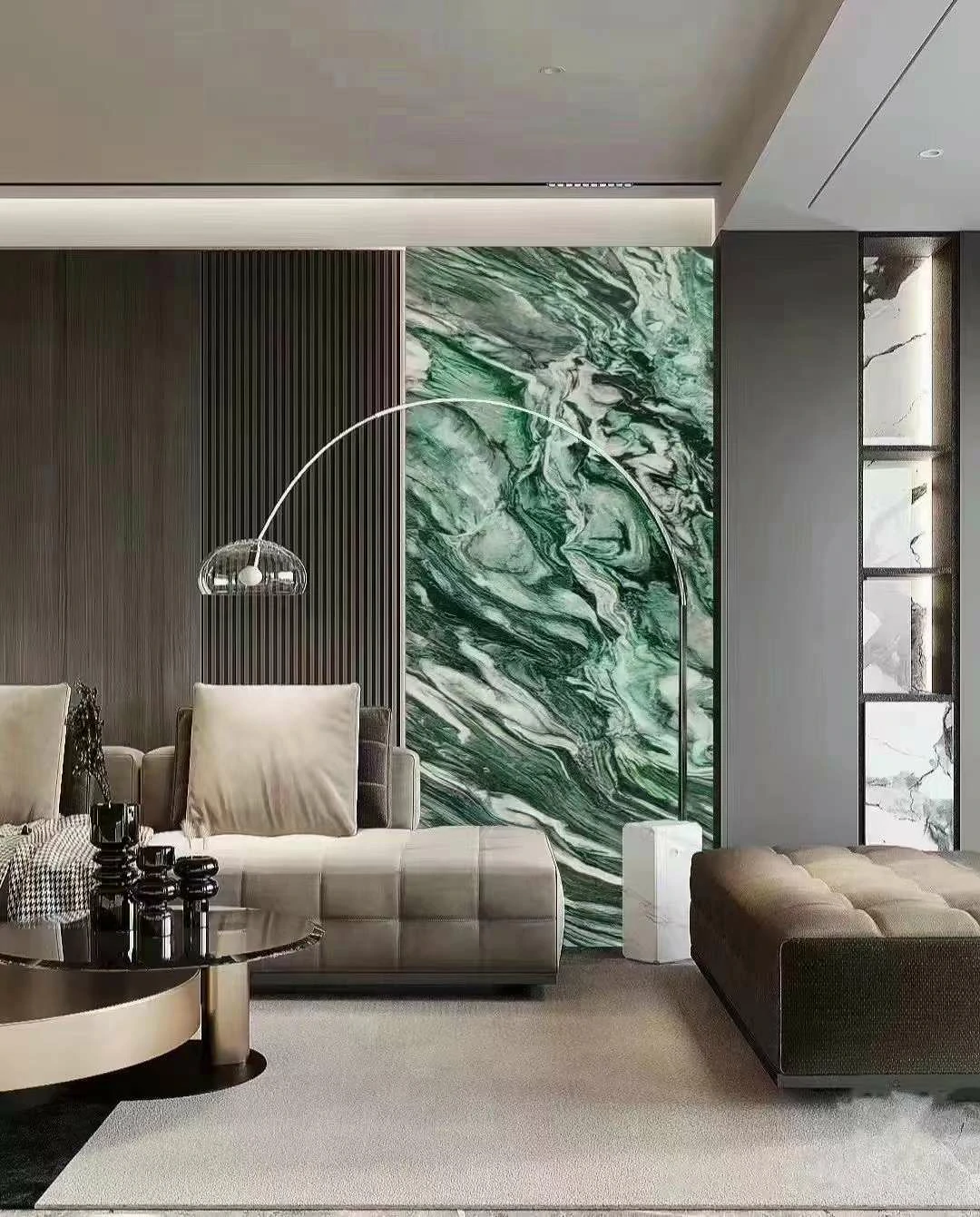
Verde Alpi marble, as the name suggests, is known for its green color variations. Ranging from light green to dark green, it often features white or beige veins, creating a visually captivating appearance.
Rosa Portogallo Marble
Rosa Portogallo, or Pink Portugal, is a type of marble with a delicate pink background. It may exhibit light gray or beige veining, imparting a soft and elegant look.
Yellow Sienna Marble
Yellow Sienna marble features a warm yellow or gold background with intricate veining. It exudes a sense of warmth and can add a sunny, inviting atmosphere to spaces.
Rainforest Green Marble
Rainforest Green marble is aptly named for its lush, green hues resembling a rainforest. It often features intricate patterns and is reminiscent of natural landscapes.
Durability
Marble is renowned for its durability, making it a preferred choice for high-traffic areas. Properly maintained, marble surfaces can withstand the test of time.
Variations Color of Marble
Marble comes in a diverse range of colors, each with its own unique characteristics and aesthetic appeal. Here are some common marble colors:
White marble is classic and timeless. It ranges from pure white to shades of off-white and may have subtle veining or crystal-like patterns. Carrara and Calacatta marbles are popular examples of white marble.
Black MarbleBlack marble is dramatic and sophisticated, featuring a deep black background with contrasting veins or patterns. Nero Marquina is a well-known black marble variety.
Green MarbleGreen marble comes in various shades of green, from light and minty to deep forest green. Verde Alpi and Rainforest Green are examples of green marble with distinctive patterns.
Pink and Rose MarblePink and rose-colored marble feature gentle hues of pink, ranging from soft pastels to richer shades. Rosa Portogallo is an example of pink marble with a delicate appearance.
Beige and Cream MarbleBeige and cream-colored marble have warm, neutral tones. Crema Marfil is a well-known beige marble with a creamy background and subtle veining.
Blue and Gray MarbleBlue and gray marble can range from soft, muted tones to bold and vibrant shades. Blue Pearl is an example of blue and silver marble known for its pearlescent quality.
Brown MarbleBrown marble comes in various shades, ranging from light tan to deep chocolate brown. Emperador marble is a well-known brown marble with intricate veining.
Yellow and Gold MarbleYellow and gold marble exhibit warm and sunny tones, creating a bright and cheerful atmosphere. Yellow Sienna marble is an example with a golden background.
Red and Burgundy MarbleRed and burgundy marble add a rich and regal touch to spaces. Rosso Levanto is a red marble variety with a deep, wine-like color.
Multicolored MarbleMulticolored marble features a combination of various hues, creating visually dynamic patterns. Breccia Aurora marble is an example with a mix of colors.
Gray MarbleGray marble ranges from light silver to dark charcoal gray. It often features subtle veining or cloudy patterns, giving it a sophisticated appearance.
Purple MarblePurple marble is relatively rare and adds a unique and luxurious touch to spaces. The variety of shades can range from lavender to deep purple.
Marble in Modern Architecture
Marble finds a wide range of applications across various industries and settings due to its versatility, durability, and aesthetic appeal. Let’s explore some common applications of marble:
Marble Flooring
Marble flooring is a classic choice that adds a touch of luxury to residential and commercial spaces. Its cool surface and natural variations in color and veining create a visually stunning and timeless look.
Marble Countertops and Vanity Tops
Marble countertops are a popular choice in kitchens and bathrooms. The smooth and elegant surface, combined with the variety of colors and patterns, makes marble a sought-after material for adding sophistication to these spaces.
Marble Sculptures and Artwork
Marble has been used for centuries as a medium for creating sculptures and artwork. Its malleability when carved allows artists to express intricate details and produce timeless pieces that withstand the test of time.
MarbleArchitectural Elements
Marble is extensively used in architectural elements, such as pillars, columns, and facades. Its strength and durability make it suitable for both structural and decorative purposes in buildings and monuments.
Marble Interior Wall Cladding
Marble wall cladding adds an element of luxury and sophistication to interiors. It is often used in lobbies, hallways, and feature walls to create a visually stunning focal point.
Marble Fireplace Surrounds
The warm and inviting nature of marble makes it a popular choice for crafting fireplace surrounds. Whether in classic or modern designs, marble adds a touch of elegance to the hearth.
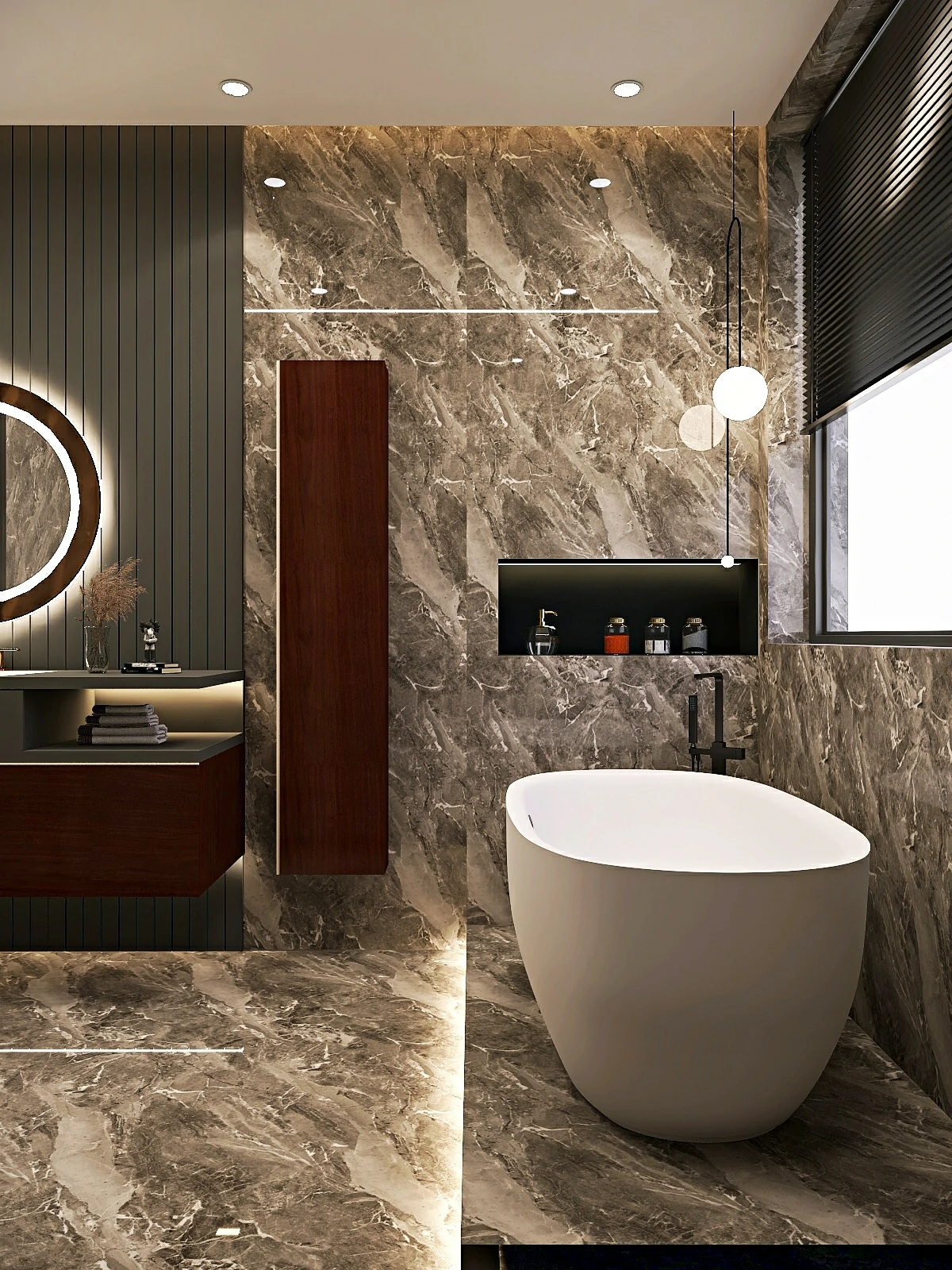
Marble Bathroom Interiors
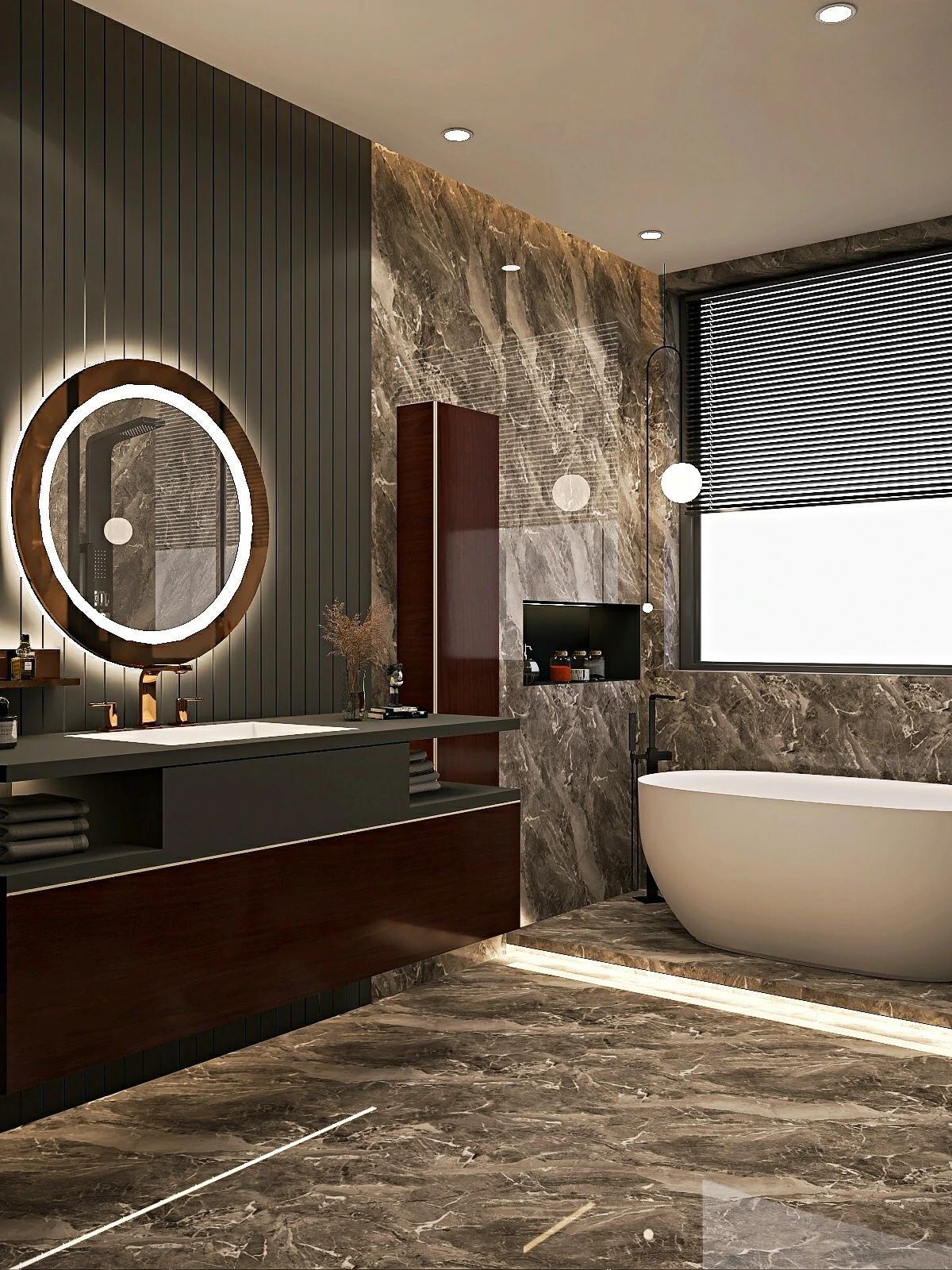
From flooring to shower walls and vanity tops, marble is commonly used in bathrooms. Its resistance to moisture and its ability to create a spa-like atmosphere make it an ideal choice.
Marble Tabletops and Furniture
Marble tabletops and furniture pieces are prized for their beauty and durability. Whether used in dining tables, coffee tables, or accent furniture, marble adds a touch of sophistication to any room.
Marble outdoor Paving
Certain types of marble, particularly those with high durability, can be used for outdoor paving. Marble pavers create an elegant and cohesive look in outdoor spaces like patios and garden pathways.
Marble Staircases
Marble stairs make a grand statement in both residential and commercial settings. The natural veining and patterns add visual interest to the staircase, making it a focal point in the interior design.
Marble Mosaics
Marble is often used to create intricate mosaics and inlays in flooring and walls. These artistic applications showcase the craftsmanship and attention to detail that marble allows.
Marble Kitchen Backsplashes
In addition to countertops, marble is commonly used for kitchen backsplashes. The variety of colors and patterns offer a unique and stylish backdrop to kitchen spaces.
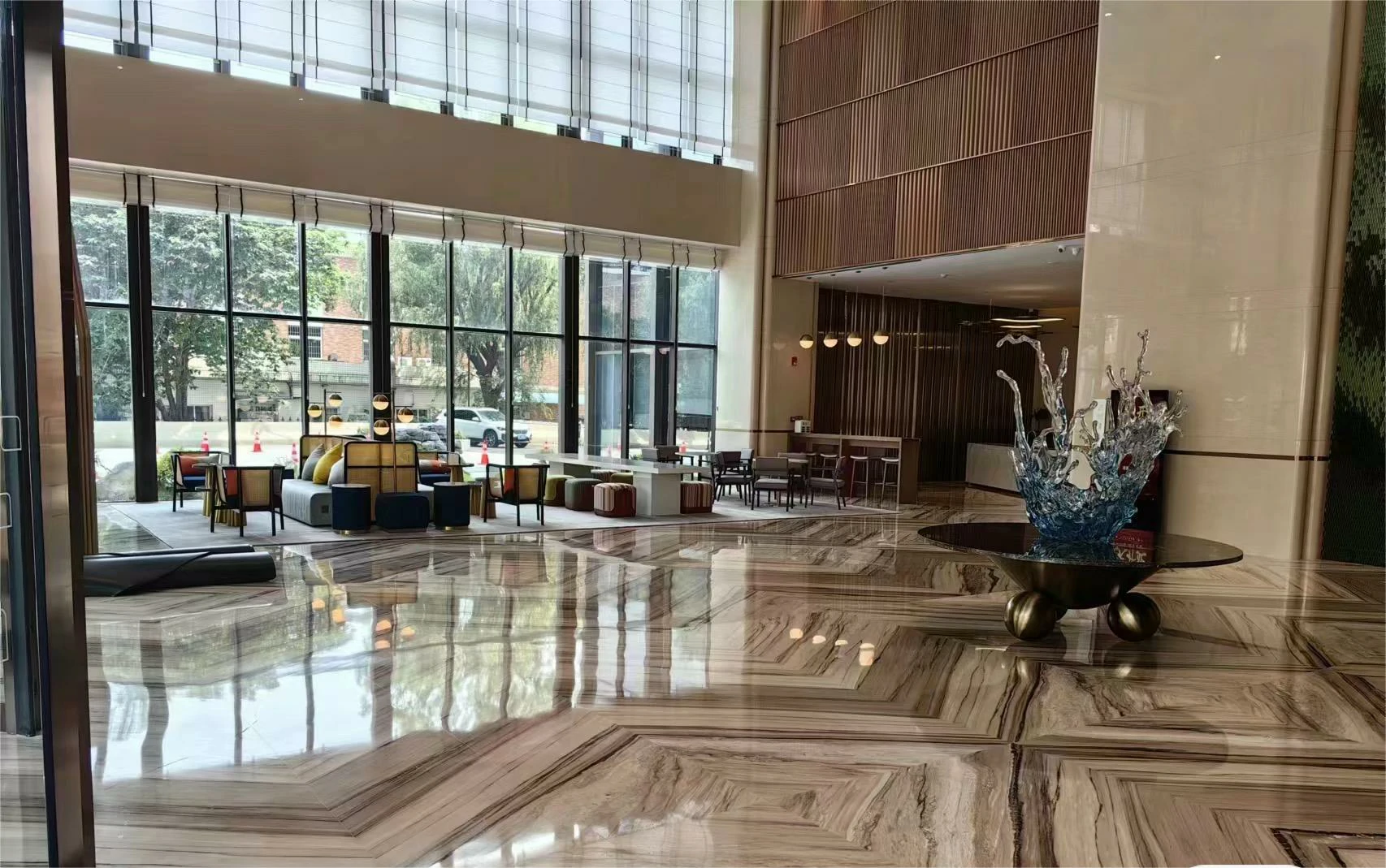
Luxury Hotel LobbiesMarble Tiles
Luxury hotels often feature marble prominently in their lobbies and common areas. The grandeur and elegance of marble contribute to the overall opulence of the space.
Retail Spaces
High-end retail spaces frequently use marble for flooring, countertops, and displays. The luxurious ambiance created by marble enhances the shopping experience for customers.
Outdoor Sculptures and Landscaping
Certain types of marble, resistant to weathering, are used for outdoor sculptures and landscaping. The durability of marble makes it suitable for withstanding the elements while maintaining its aesthetic appeal.
These diverse applications showcase the adaptability of marble in enhancing the beauty and functionality of spaces across different industries and design preferences.
Releted Project
Marble Mining Industry
Environmental Concerns
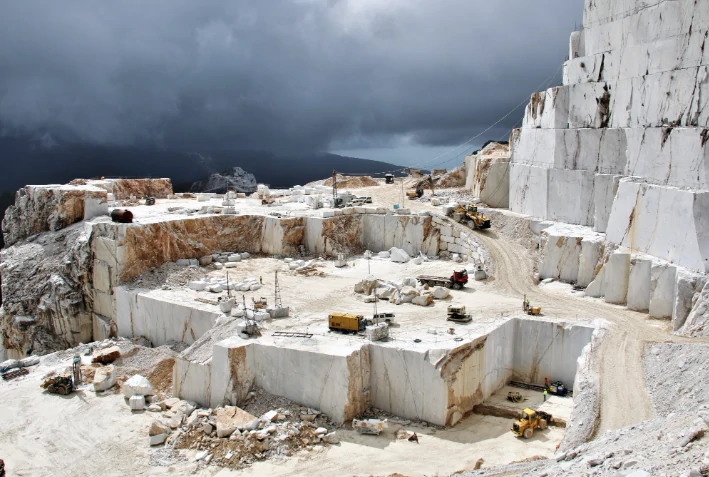
Major marble quarries are situated globally, with notable deposits in Carrara, Italy, and Makrana, India. These quarries yield some of the finest marble used in construction and art.
Environmental Concerns
The marble mining industry faces challenges related to environmental impact. Quarrying activities can lead to habitat disruption and the release of dust and pollutants.
Historical Artworks
Marble has been a medium for sculptors for centuries. The ancient Greeks used it for iconic statues like the Venus de Milo, showcasing the enduring appeal of marble in art.
Symbolism in Different Cultures
In various cultures, marble symbolizes purity, luxury, and endurance. Its use in religious monuments and palaces reflects its cultural significance.
Marble vs. Other Stones
Comparisons with Granite and Quartz
While granite and quartz offer durability, marble stands out for its unique aesthetics. Each stone has its strengths, and the choice depends on specific project requirements.
Pros and Cons
Marble’s pros include its timeless beauty and heat resistance, while cons involve susceptibility to scratches and stains. Understanding these factors aids in informed decision-making.
Innovations in Marble Industry
Cutting-Edge Technologies
Advancements in technology, such as CNC carving and waterjet cutting, allow for precise and intricate designs on marble surfaces.
Sustainable Practices
The industry is adopting sustainable practices, including responsible quarrying and recycling marble waste, to minimize environmental impact.
Future Trends in Marble Usage
Emerging Design Concepts
Designers are exploring new ways to integrate marble, such as unconventional shapes and patterns, pushing the boundaries of traditional applications.
Technological Advancements
Innovations like 3D printing and digital imaging have opened up new possibilities for intricate designs and patterns on marble surfaces. These technologies bring a modern twist to the timeless material.
In conclusion, marble stands as a testament to the enduring beauty and versatility of natural stone. From its rich history to modern innovations, marble continues to captivate and inspire. Whether adorning iconic structures or gracing contemporary interiors, its timeless appeal remains unrivaled.
Frequently Asked Questions
Yes, marble is suitable for kitchen countertops, but it requires proper sealing and maintenance to prevent staining.
While marble is generally used indoors, certain varieties with high durability can be used for outdoor applications.
Use a pH-neutral cleaner for regular cleaning, and periodically seal and polish to maintain the shine and durability of marble.
Yes, marble can be more expensive than materials like granite or quartz due to factors like extraction and transportation costs.
Minor scratches and stains can often be removed with specialized marble polishing products, but deep damage may require professional restoration.
Yes, marble is a popular choice for bathroom surfaces, including countertops, floors, and shower walls, adding elegance to the space.
High-traffic areas may require more frequent maintenance to preserve the appearance of marble, including regular sealing and cleaning.
Natural marble is extracted from quarries, while engineered marble is a man-made product. Natural marble has unique variations, while engineered marble offers consistency in color and pattern.
Marble is a natural resource that can be recycled and reused. Sustainable quarrying practices and the recyclability of marble make it an eco-friendly choice.
Certain marble varieties, particularly those with high resistance to weathering, can be used for outdoor sculptures, provided they are properly sealed and maintained.