


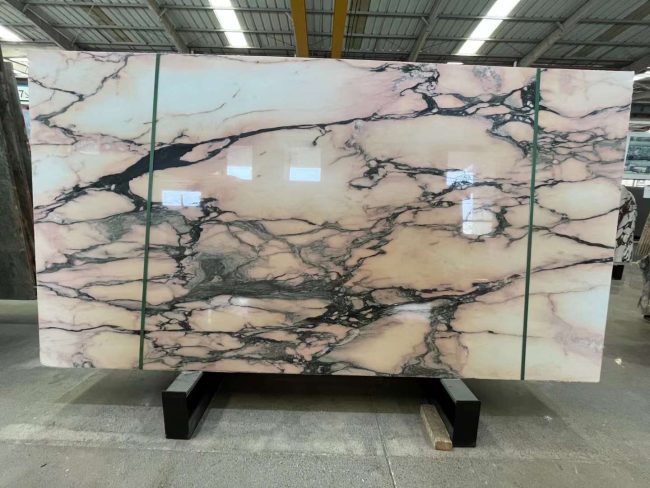

Limestone Tile, which is composed of calcium carbonate (CaCO3), is a mineral that belongs to the carbonate sedimentary rock category and is the primary source of lime. Minerals such as calcite and aragonite, which are both distinct crystal forms of calcium carbonate, make up the majority of its composition. The formation of limestone tile occurs when these minerals precipitate out of water that contains calcium that has been dissolved. It is possible for this to occur as a result of both biological and nonbiological activities; however, it is likely that biological processes, such as the buildup of corals and shells in the ocean, have been more significant over the course of the past 540 million years. Quite frequently, fossils can be found in limestone tile, which can offer scientists with knowledge on the evolution of life and the habitats that existed in the past.

Mostly, silt buildup in marine settings is what results in the formation of limestone tile materials. This is the main procedure that produces materials made of limestone tile. The method is summarized briefly here:
a Grouping of Sand consisting of: The accumulation of organic materials on the bottom, such as shells, coral, and microscopic organisms, causes limestone to be produced in warm, shallow aquatic environments. Cement is formed by this technique. Slate eventually emerges as a result of these components gradually building up over time.
Including Compaction and cementation, too: The weight of the stuff above sediment layers causes the bottom layers to get more compact as they continue to build. What keeps the particles together is minerals that have been dissolved in water and subsequently precipitate onto their surface. The minerals in issue function as a sort of natural cement.

Long stretches of time are spent crushing and cementing sediments together during the limestone tile formation process, which finally produces solid rock. That technique produces limestone.
Among the numerous types of limestone tile are: Several different forms, such chalk, coquina, and travertine, can be formed from limestone, depending on the particular circumstances and materials used in the process. Sometimes these changes have different looks and contents.
While this process might also occur in freshwater settings, marine limestone tile is more common than freshwater limestone.
The Benefits Of Limestone
Top Benefits Of Limestone tile Flooring
There are a tonne of options available to you whether you want to replace the flooring in a certain area of your house or your entire house. Though all flooring options have certain benefits, limestone flooring offers a number of benefits that could fit your lifestyle. While there are many benefits to adopting limestone flooring, here are the top six that you should think about while weighing your alternatives.

One Wide Selection of Colors and Patterns
Browns, creams, grays and greens are only a few of the earthy tones that may be found in limestone. Besides, it comes in a variety of finishes, such as glossy, leather, and honed. It can be put in many combinations in addition to tiles or slabs installation. Any homeowner can locate just what they want in their place because there are so many options.
Long-lasting and Resilient One very long-lasting kind of natural stone is built limestone tile. It doesn’t wear out, hence you don’t have to worry about it looking different in places where there is a lot of foot activity. You will be astounded to learn that there exist massive limestone constructions that have existed for hundreds of years all across the planet.
The Historical Beauty
Among the various flooring options that have a phase of popularity and subsequently fade due to fashion is limestone flooring. A building material for thousands of years, limestone tile is a timeless choice. With colors and styles that work with any type of interior design, it has a classic and timeless look.

An excellent resizing value
Natural stone floors are very sought for and have appreciated in value over time due to its amazing beauty, durability, and ease of maintenance. Choosing limestone as your flooring has several clear advantages over other choices. Stone imprints a powerful impression on the individual.
All Around Adaptability
Other stone flooring kinds cannot offer the flexibility that limestone flooring can. Because of its traditional and muted tones, limestone used in a property may make it seem both elegant and earthy. You may get anything in any size, color, pattern, or finish you desire to fit into a certain space of your house. Installations of limestone tile flooring work well in the kitchen, dining room, bathroom, and even the patio.

Maintenance and Repair Ease
When laid outside, limestone tile flooring resists bacteria and other damage better than other flooring choices that can be hard to keep up. Keeping the flooring clean just needs sweeping and occasionally using a damp mop. For many years, they will look fantastic and need very little upkeep.

What Interests You About Limestone Flooring?
While there are benefits to every kind of flooring, you should contact Impression for help with your selections if you have concluded that the benefits of limestone tile flooring exceed those of the other options. Being the leading authorities in this field, we have worked with limestone tile flooring and a variety of other custom house options for many years. Our limestone selections are breathtaking and will make the flooring in your house look absolutely spectacular. Our workmanship is unmatched. Come talk about how limestone flooring might enhance the interior design of your house and the rest of your living area. Should you want to personalize other limestone goods for your house, we can do that as well.
The Popular Limestone Slabs

a variety of limestone sometimes known as Jura The Jura area of Germany is rich in Beige Limestone that is mined. This specific type of limestone is rather valuable because of its distinctive fossil patterns, warm beige hue, and amazing elasticity. Mostly extracted in the Jura area of Bavaria and Franconia, this limestone has a grain texture ranging from fine to medium. To accentuate its inherent beauty and enhance its color, one might polish, flamed, or rough-ground it. Jura Beige Limestone is extensively used in a variety of interior and exterior design projects due in great part to its strength and lifetime. Flooring, wall panels, counters, vanities, staircases, and other tasks covered above are part of these ones.
Jura Grey Limestone

The Jura Grey Limestone is taken from Germany, and it is an amazing natural resource. It is well known for its unique look, robustness, and adaptability, which fit well for a broad spectrum of uses both indoors and outdoors respectively. It is also quite prized for its longevity. This limestone’s neutral tone helps it to go rather well with a wide range of design styles, both modern and classic. This limestone’s main hue is gray, a sophisticated and delicate mix at once. Among all the several features of Jura Grey Limestone, one of the most remarkable ones is its fossilized sedimentary structure. This construction gives the stone a sense of history and helps to define it. Fossils often feature the shells of marine life including various types of ancient aquatic life. These fossils can help one understand the geological background of the stone they come from. Natural variances in color and texture found throughout Jura Grey Limestone help to add to the stone’s general attractiveness. These differences ensure that every stone is one of a kind and accompanied with special visual attractiveness. This stone is appropriate for a great variety of uses because of its toughness and resilience to wear and tear. From flooring to wall coverings to counters to other features, both inside and outside of buildings, it is often employed in many facets of architecture.


Portuguese quarrying of the beautiful natural stone moca creme limestone Because of its warm off-white or light brown tones, little deviations, and architectural and design application versatility, it is quite valuable. The creamy off-white or light brown tint of this limestone sets it apart and lends warmth and elegance. The main quality of this limestone is Usually homogeneous across the stone, the off-white color creates a background that is neutral and might be harmonically matched with a great spectrum of design ideas and color palleties.
Because Cream of Mocca Limestone can show little variations in color and texture, its natural look can be unique. It is likely to feature tiny fossilized shells or organic patterns that provide visual appeal and boost the limestone’s general attractiveness. These variations help to define the stone’s character and give it authenticity and believability as well.
Moca Crema Found in Portugal is a type of limestone known as limestone. It reflects the capacity of the nation for limestone quarrying and workmanship. Great care is used in extracting the stone from the ground, then it is carved into slabs or tiles with different thicknesses. This procedure helps the stone to be applied in a wide range of architectural and design applications.

Portugal accounts for almost all of the Portuguese Beige Limestone production. From a geological perspective, this specific kind of limestone is categorized as a sedimentary rock. Its formation comes from the fragments and trash of other rocks, which follow from the interaction of several natural environmental factors from the surroundings following compression and cementation. Although Portuguese Beige Limestone is not often used in China’s outside wall projects, it is rather used in the decorating of interior spaces, component construction, wash basins, and sculpture building. Furthermore, it has been used in other important building projects such the Bund SOHO, which shows the flawless blending of classic and modern features.

Italy produces most of Italian Crema Pearl Limestone, a very light cream-colored fossilized limestone, there here. Applications including wall and floor, monuments, countertops, mosaics, fountains, swimming pool wall caps, staircases, window sills, and other architectural projects call for this particular stone especially well-suited. In the Chinese market nowadays, it is usually known as Beijin Beihuang (Bèi Jīn MĐhuáng). Crema Pearl limestone can be treated with several surface finishes. Among these surface treatments are honed, aged, polished, sawn, sanded, rock faced, sandblasted, hammered, and tumbled ones.

Mostly used for walls and flooring, counters, mosaics, fountains, swimming pools and wall caps, stairs, windows and other design projects, Golden Mocha Limestone—a fine-grained beige limestone—originates from Turkey. This particular stone is also called Jīn Móký within the Chinese market. Through material processing, Golden Mocha limestone can be given a comprehensive spectrum of surface treatments including polishing, sawing, grinding, rock facing, sandblasting, rounding, and others.

Extracted from quarries in the Italian area of Vicenza, Grigio Argento limestone is a grey kind. Its main color is a sophisticated silvery gray with a consistent tint; there are also minute visible shell and white silicate particles. This limestone’s beauty, strength, and adaptability make it a very useful resource for usage in a great variety of design projects. Walls, flooring, fountains, custom-carved sculptures, countertops, vanities, steps, and more can all be found among the several uses for it. Perfect both inside and outside.