


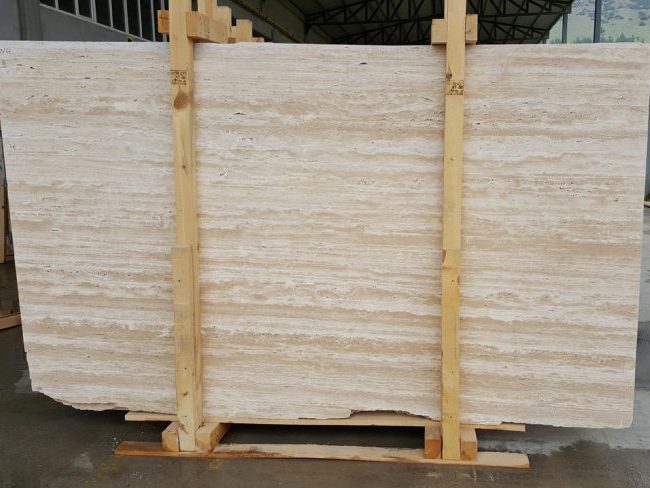
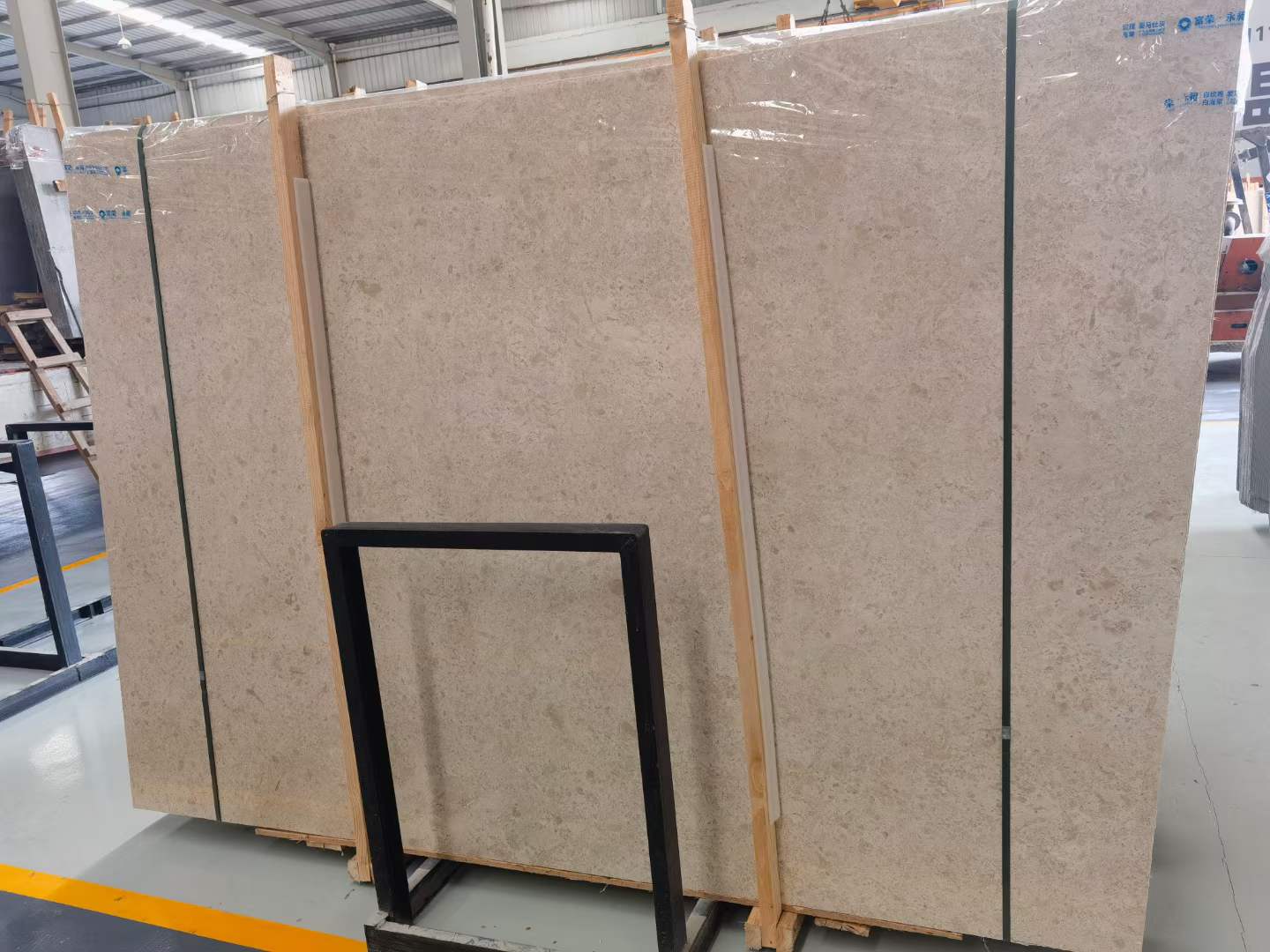

Quick Summary: A quartz shower wall can be a practical choice when a bathroom project needs controlled color, repeatable marble-inspired patterns, low routine maintenance, and large panels with fewer grout lines. In this guide, quartz means engineered quartz surfacing rather than natural quartzite. It is most suitable for residential walk-in showers, hotel guest bathrooms, vanity-to-shower wall continuity, and feature walls where the selected product is specifically approved for vertical wet-area use. Quartz should not be chosen automatically for steam showers, exterior walls, direct high-heat zones, shower floors, or projects where the manufacturer does not support the proposed installation. Waterproofing, substrate preparation, adhesive compatibility, joints, cutouts, panel handling, and product-specific technical guidance remain essential.

Design Logic: Why Use Quartz on a Shower Wall?
A shower wall is one of the largest uninterrupted surfaces in a bathroom. It frames the fixtures, reflects lighting, influences the apparent size of the room, and often becomes the main material feature. Engineered quartz is useful in this position because it offers more pattern and color control than many natural stones.
White marble-inspired quartz can create a bright hotel-style shower. Soft beige quartz supports a warm spa atmosphere. Grey quartz works well in modern bathrooms, while darker surfaces can create a stronger architectural effect. Because the pattern is manufactured, designers can generally achieve more consistency across several panels or repeated bathrooms.
This repeatability is valuable for hotels, apartment developments, residential projects with multiple bathrooms, and renovation projects where the client wants a coordinated result without the broad slab variation associated with marble or quartzite.
Use Quartz When Consistency Matters More Than Natural Uniqueness
Quartz is most appropriate when the project requires a controlled finish rather than one-of-a-kind natural veining. It can be easier to coordinate across the shower wall, vanity top, backsplash, and other bathroom surfaces.
However, manufactured consistency does not mean every panel will align automatically. Pattern scale, slab orientation, batch variation, and seam positions still need to be reviewed. For broader vertical application ideas, CENTURY STAR’s feature wall stone guide for quartz explains how pattern control and panel detailing influence large decorative walls.
Material Logic: Understanding Engineered Quartz
Engineered quartz is different from natural quartzite. It is generally produced using quartz minerals, pigments, binders, and manufacturing processes that create a consistent slab surface. The exact composition, resin content, slab dimensions, finish, and technical performance vary by manufacturer and product line.
For that reason, buyers should not assume that every quartz slab can be used in every shower. The selected manufacturer should confirm whether the product is approved for vertical interior wet-area installation, what setting materials are compatible, and whether there are restrictions related to steam, heat, UV exposure, or continuous moisture.
Use Quartz When Easy Routine Cleaning Is Important
Many quartz surfaces are marketed as nonporous or very low absorption, making them attractive for vanity tops and vertical bathroom walls. On a shower wall, the smooth surface can reduce the amount of grout compared with small tiles and can be straightforward to wipe down.
This does not eliminate cleaning responsibilities. Soap residue, hard-water minerals, sealant joints, and surface films can still become visible. The owner should follow the quartz manufacturer’s cleaning instructions and avoid abrasive pads or chemicals that are not approved for the finish.
Use Quartz When a Marble Look Is Needed Without Marble Variation
Quartz can provide a white, beige, or grey marble-inspired effect with more predictable color distribution. This is useful for clients who like the appearance of marble but are uncomfortable with natural fissures, strong batch variation, mineral changes, or the care expectations of calcium-based stone.
Quartz cannot fully reproduce the depth and individuality of natural marble. Buyers should therefore decide whether the project prioritizes authentic natural character or repeatable appearance and practical maintenance. CENTURY STAR’s white marble shower wall guide provides a useful comparison for projects considering natural marble instead.
Spatial Application: When Quartz Shower Walls Work Best
1. Residential Walk-In Shower
Quartz can work well on the vertical walls of a residential walk-in shower when the exact product is approved for wet-area cladding. Large panels create a clean surface with fewer visual interruptions than conventional small-format tiles.
The panel layout should coordinate the shower head, valves, hand shower, niche, glass partition, bench, drain relationship, and wall corners. Fewer joints can create a premium appearance, but panel dimensions must remain practical for transport, access, lifting, and installation.
2. Feature Wall Behind Shower Fixtures
Using quartz only on the primary wall behind the shower controls is often more practical than covering the entire enclosure. The quartz becomes the visual focus, while secondary walls can use compatible porcelain or another wet-area finish.
This approach can reduce material cost and simplify installation. It also allows the most attractive part of the slab pattern to remain visible without being interrupted repeatedly by corners and small return panels.
3. Hotel Guest Bathroom
Quartz can support hotel bathroom design when repeatability, cleaning routines, and consistent replacement materials are important. A hotel project may use the same quartz design across guest-room vanities and selected shower walls to create a coordinated brand standard.
Before approval, the project team should confirm wet-area suitability, cleaning chemicals, panel sizes, replacement strategy, batch availability, joint sealants, and installation training. Products that perform well on vanity tops should not automatically be assumed suitable inside every shower enclosure.
4. Compact Bathroom Shower
A light quartz shower wall can help a compact bathroom feel larger and cleaner. Soft white, pale beige, and light grey surfaces are generally easier to use than dark or highly dramatic patterns in confined spaces.
Pattern scale matters. Very large printed veins may be interrupted by fixtures, niches, and narrow side walls. A quieter design often produces a more balanced result in a small shower.
5. Vanity-to-Shower Material Continuity
One advantage of quartz is the ability to coordinate the vanity top, backsplash, and shower feature wall with the same or related surface. This can make the bathroom feel custom-designed and reduce visual fragmentation.
Horizontal vanity surfaces and vertical shower walls still have different fabrication and installation requirements. Sink cutouts, faucet holes, wall penetrations, joints, waterproofing interfaces, and edge exposure should be detailed separately.

Material Matching Strategy
A quartz shower wall should be evaluated as part of the full bathroom palette. Cabinetry, flooring, fixtures, glass, lighting, mirrors, and secondary wall materials can change how the same quartz appears.
White Quartz with Warm or Cool Metals
White quartz with grey veining pairs naturally with chrome, brushed nickel, stainless steel, and matte black. Champagne bronze or brushed brass can warm the surface and create a softer hospitality atmosphere.
If the quartz has warm beige or gold movement, warm metal finishes generally create a more coherent composition. If the slab has cool blue-grey veins, nickel, chrome, or black may feel more balanced.
Beige Quartz with Wood Cabinetry
Soft beige quartz works well with walnut, oak, cream lacquer, greige cabinetry, and warm lighting. This direction is suitable for spa-inspired bathrooms, villas, hotel suites, and luxury apartments.
The surrounding floor should remain relatively quiet when the wall has visible pattern movement. Competing marble-look surfaces on the wall, floor, and vanity can make the bathroom feel overly manufactured.
Dark Quartz for Architectural Bathrooms
Charcoal, black, and dark grey quartz can create a strong shower feature wall in a spacious bathroom. Dark surfaces should be supported by appropriate lighting and ventilation. They may also show hard-water deposits, soap residue, and fingerprints more clearly than lighter colors.
Engineering Logic: Waterproofing and Substrate Preparation
A quartz panel is a decorative wall finish, not the waterproofing system. The substrate behind the slab must be stable, flat, and protected by a suitable wet-area waterproofing assembly.
Complete the Waterproofing Before Panel Installation
Waterproofing continuity should be confirmed at internal corners, niches, benches, pipe penetrations, wall-to-floor transitions, and glass-fixing locations. Any testing required by the project should be completed before the quartz panels are installed.
The selected adhesive, primer, sealant, and waterproof membrane must be compatible with one another and with the quartz product. Manufacturer guidance should take priority over generic installation assumptions.
Substrate Flatness Is Critical
Large slabs require a flatter wall than small tiles. Irregular substrates can create lippage, open joints, hollow areas, stress concentrations, or visible distortion in polished surfaces. Wall tolerances should be checked before final panel dimensions are released.
Panel Size Must Reflect Site Reality
Using fewer panels can create a cleaner appearance, but oversized slabs can be difficult to move through doors, corridors, elevators, and completed bathroom spaces. Panel dimensions should reflect slab yield, access, handling equipment, installer capability, and the installation sequence.
Detailing Logic: Joints, Corners, Niches, and Openings
Do Not Design the Wall as Completely Joint-Free
Quartz panels require controlled joints for fabrication tolerance, installation tolerance, sealant, movement, and future replacement. The goal is to position joints carefully rather than pretend they do not exist.
Joints can align with wall corners, niche edges, glass lines, cabinetry, or other architectural divisions. Narrow filler pieces and random seams should be avoided in highly visible areas.
External and Internal Corners
External corners may use mitered fabrication, exposed eased edges, or compatible metal profiles. Mitered edges can create a monolithic appearance but require accurate fabrication, reinforcement where appropriate, careful packaging, and experienced installation.
Internal corners should allow for wall tolerance and movement. A suitable sealant joint is often more reliable than forcing two rigid panels tightly together.
Fixture Openings
Valve openings, shower-head penetrations, hand-shower brackets, sockets, glass fixings, and access openings should be included in approved shop drawings. Cutouts should avoid sharp unsupported corners where possible.
Late site drilling increases the risk of chipping, cracking, inaccurate alignment, and damage to the waterproofing system. Factory fabrication is preferable when dimensions are confirmed.
Niches and Horizontal Surfaces
Quartz can be used on selected niche backs or returns if the product and installation system support the application. Horizontal shelves and shower benches require additional evaluation for drainage, slope, edge exposure, impact, and continuous water contact.
Quartz should not be automatically extended onto a shower floor. Slip resistance, slope fabrication, drain detailing, product approval, and local requirements must be reviewed separately.

Performance Logic: What Quartz Can and Cannot Do
Water and Stain Exposure
Many engineered quartz products provide low absorption and good resistance to common bathroom staining. However, seams, joints, penetrations, and interfaces still require maintenance. Water can reach the wall assembly through poorly detailed joints even when the panel itself has low absorption.
Heat and Steam Exposure
Quartz contains binders that may respond differently to heat than natural stone or ceramic materials. Steam showers, high-temperature fixtures, heated wall zones, and other unusual conditions require written product confirmation.
A quartz product suitable for a standard residential shower may not be approved for a commercial steam room or sauna-adjacent wall. Product-specific restrictions should be reviewed before specification.
UV and Exterior Exposure
Many engineered quartz products are intended primarily for interior use. Extended UV exposure may affect color or resin performance in products that are not exterior-rated. Quartz shower walls near large windows or in outdoor showers require specific manufacturer approval.
Edge and Impact Risk
The face of a quartz slab may be durable, but exposed corners, thin strips, internal cutouts, and unsupported edges can be vulnerable during fabrication, transport, and installation. Edge protection and correct panel handling remain important.
Procurement Logic: What Buyers Should Confirm
Quartz shower wall procurement should be based on the complete installed system rather than the slab price alone. Buyers should evaluate product approval, slab dimensions, finish, thickness, panel design, fabrication, setting materials, packaging, installation, and replacement planning.
Request Product-Specific Technical Documentation
The buyer should request the exact product data sheet, wet-area application guidance, cleaning instructions, installation requirements, adhesive recommendations, temperature limitations, and warranty conditions. General statements about engineered quartz are not sufficient.
For broader product comparison, CENTURY STAR’s quartz material collection can support early color and pattern selection before detailed technical approval.
Approve the Panel Layout
Full-slab images and wall elevations should be reviewed before cutting. The layout should show pattern direction, panel numbers, seam positions, fixture openings, niche pieces, and relationships between adjacent walls.
Confirm Fabrication Experience
The fabricator should understand large quartz panels, cutout limitations, mitered edges, transport frames, panel lifting, and wet-area detailing. Equipment capability alone does not guarantee a successful wall installation.
Include Spare Material
Replacement panels from a later batch may have slightly different color or pattern characteristics. Hotels, multi-unit projects, and custom residences should consider retaining spare material from the original batch.
Global Design Trend Insight
Bathroom design is moving toward full-height wall panels, fewer grout lines, frameless shower glass, floating vanities, integrated niches, and coordinated countertop-to-wall surfaces. Quartz supports this direction by offering repeatable marble-inspired designs and controlled neutral colors.
At the same time, specification is becoming more technical. Designers and buyers increasingly distinguish between a product that looks suitable and one that is documented for the intended wet-area condition. This makes product approval, waterproofing, joint design, and installer capability as important as the slab pattern.
Comparison and Design Decision Table
| Shower Situation | Is Quartz Suitable? | Main Benefit | Main Risk to Control | Alternative Material |
|---|---|---|---|---|
| Residential feature shower wall | Yes, with product approval | Controlled pattern and fewer grout lines | Waterproofing, adhesive compatibility, joints | Marble, quartzite, sintered stone |
| Hotel guest-room shower | Yes, after system review | Repeatable appearance across multiple rooms | Cleaning chemicals and replacement planning | Sintered stone, porcelain slab |
| Compact bathroom | Yes | Light surfaces can make the room feel larger | Pattern scale and installation access | White marble, porcelain slab |
| Steam shower | Only with written manufacturer approval | Large controlled wall surface | Heat, steam, resin performance, waterproofing | Porcelain slab, suitable natural stone |
| Shower floor | Not automatically recommended | Visual continuity if technically approved | Slip resistance, drainage, slope, seams | Textured porcelain, mosaic, approved stone |
Common Design and Execution Mistakes
Confusing Quartz with Quartzite
Engineered quartz and natural quartzite are different materials. Their composition, visual variation, fabrication behavior, heat response, and installation guidance should not be treated as interchangeable.
Assuming Vanity Approval Means Shower Approval
A quartz product commonly used for countertops may have different restrictions for vertical wet-area installation. Written product guidance should be reviewed before specification.
Treating Quartz as Waterproofing
Low absorption does not replace the waterproof membrane behind the wall. Corners, penetrations, niches, and wall-to-floor transitions remain critical.
Eliminating Necessary Joints
Rigid panels still require installation and movement accommodation. Overly tight joints can lead to chipping, sealant failure, or stress-related problems.
Leaving Openings Until Site Installation
Late cutting can damage the slab and waterproofing. Fixtures, niches, glass hardware, and access points should be included in approved shop drawings.

FAQ
1. Can quartz be used for shower walls?
Yes, some engineered quartz products can be used for interior shower walls. The selected product must be approved for vertical wet-area installation, and the wall must include suitable waterproofing, setting materials, joints, and sealants.
2. Where does a quartz shower wall work best?
Quartz works well on residential walk-in shower walls, hotel guest bathrooms, feature walls behind shower fixtures, compact bathrooms, and projects that coordinate the shower wall with a quartz vanity.
3. Is quartz waterproof?
Many quartz surfaces have very low water absorption, but the slab is not the complete waterproofing system. The substrate, membrane, penetrations, joints, corners, and wall-to-floor transitions must still be waterproofed correctly.
4. Can quartz be used in a steam shower?
Only when the exact manufacturer provides written approval for that condition. Heat, steam, continuous moisture, adhesive performance, and resin limitations must be evaluated before specification.
5. Is quartz better than marble for shower walls?
Quartz is often better when the buyer prioritizes pattern consistency, lower routine maintenance, and repeatable supply. Marble is more suitable when authentic natural veining, mineral depth, and one-of-a-kind character are the main design goals.
6. What should buyers confirm before ordering quartz shower panels?
Buyers should confirm wet-area approval, slab dimensions, finish, thickness, panel layout, joints, cutouts, waterproofing interface, adhesive compatibility, heat limitations, fabrication capability, packaging, spare material, and installation instructions.
Final Note / Practical Takeaway: A quartz shower wall is most appropriate when a project needs controlled pattern, consistent color, low routine maintenance, and coordinated large-format bathroom surfaces. It can perform well in standard residential and hospitality showers when the exact quartz product is approved for wet-area wall use. Before production, buyers should verify the technical data, waterproofing assembly, substrate, panel sizes, joints, openings, setting materials, temperature limitations, cleaning instructions, fabrication quality, packaging, and installation sequence.
References
- Tile Council of North America. TCNA Handbook for Ceramic, Glass, and Stone Tile Installation, current applicable edition.
- ANSI. ANSI A118.10, American National Standard Specifications for Load Bearing, Bonded, Waterproof Membranes for Thin-Set Ceramic Tile and Dimension Stone Installation.
- ANSI. ANSI A118.15, American National Standard Specifications for Improved Modified Dry-Set Cement Mortar.
- ASTM International. ASTM C920, Standard Specification for Elastomeric Joint Sealants.