


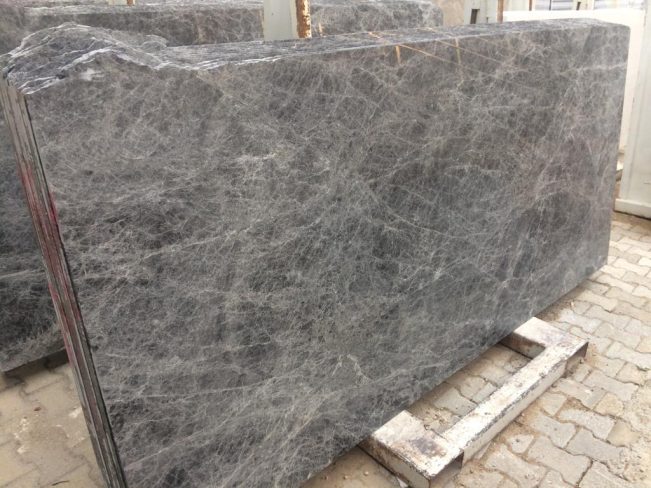
The price of Zebra Marble typically ranges from $40 to over $250 per square foot installed, depending on its origin, the quality of the slabs, colour consistency, rarity, thickness, finishing method, and project location. According to Dimension Stone: Use in Construction by Arthur Lyons, as well as market analyses published by the Natural Stone Institute (NSI) and the Marble Institute of America (MIA), reveal that highly distinctive natural stones with strong visual movement, unique veining patterns, and limited quarry production often command premium prices due to their aesthetic appeal and supply constraints.
Zebra marble is particularly sought after for luxury residential, hospitality, and commercial projects due to its dramatic black-and-white striping. However, its true market value extends beyond material cost alone, encompassing fabrication complexity, installation requirements, long-term durability, and architectural design impact.
Introduction
Natural stone has long been associated with luxury, permanence, and architectural prestige. From ancient monuments to contemporary luxury interiors, marble continues to symbolise sophistication and timeless beauty. Among the wide varieties available in today’s global stone market, zebra marble is one of the most visually striking materials.
Its bold, contrasting stripes resemble the markings of a zebra, creating a dramatic visual effect that instantly becomes the focal point of any space. Designers frequently specify zebra marble for statement walls, luxury bathrooms, feature countertops, hotel lobbies, and high-end commercial environments, where making a visual impact is the main objective.
One of the most common questions asked by homeowners, architects, contractors, and stone distributors is:
How much is zebra marble worth?
The answer is more complex than simply quoting a price per square foot. The market value of zebra marble depends on various factors, such as geological origin, rarity, block quality, slab size, processing standards, transportation costs, project specifications, and current market demand.
This comprehensive guide explores the true value of zebra marble, its pricing structures, quality classifications, applications, investment considerations, and the factors that influence its worth in today’s global stone industry.
What Is Zebra Marble?
Zebra marble is a natural metamorphic stone characterised by distinctive linear patterns of alternating light and dark mineral bands.
It derives its name from its resemblance to zebra stripes. Unlike traditional white marble varieties with soft veining, zebra marble typically displays stronger visual contrast and more dramatic movement.
Depending on its origin, zebra marble may exhibit the following characteristics:
- Black and white striping
- Grey and white bands
- Beige and dark brown contrasts
- Gold-toned accent veins
- Irregular flowing patterns
- Directional linear textures
These unique characteristics mean that every slab is essentially one of a kind.
As natural stone is formed over millions of years through geological processes, no two zebra marble slabs are identical.

Why Is Zebra Marble Considered Valuable?
Zebra marble’s market value is influenced by several factors.
Unlike commodity building materials, the price of natural stone is heavily influenced by aesthetic uniqueness.
Zebra marble offers:
- Distinctive visual appeal;
- Architectural exclusivity;
- Natural rarity;
- Premium design perception;
- High-end market demand.
Designers often seek materials capable of transforming ordinary spaces into memorable environments.
Zebra marble accomplishes this exceptionally well, as its dramatic patterns naturally attract attention.
In luxury construction markets, visual impact often translates directly into a higher perceived value.
Typical Zebra Marble Price Range
The cost of zebra marble varies significantly across global markets.
The following table provides general pricing estimates. (Please consult the actual supplier for specific pricing.)
| Product Type | Typical Price Range |
| Raw Block | $300–$2,500+ per ton |
| Rough Slab | $20–$80 per sq. ft. |
| Polished Slab | $40–$150 per sq. ft. |
| Premium Designer Grade Slab | $100–$250+ per sq. ft. |
| Installed Countertops | $80–$300+ per sq. ft. |
| Luxury Feature Walls | $100–$400+ per sq. ft. |
Actual prices vary by region, supplier, and project specifications.
Key Factors That Determine Zebra Marble Worth
To understand pricing, it is necessary to examine the variables that influence value.
Quarry origin
Origin is often the most important pricing factor.
Marble sourced from renowned quarry regions typically commands a higher price due to its established market reputation.
Well-known stone-producing countries include:
Italy, Turkey, China, Greece, Spain, Iran, India, and Brazil.
Certain zebra marble varieties are available only from a limited number of quarries, which increases their scarcity and market value.
Pattern consistency
Pattern quality plays a critical role in valuation.
Architects often seek slabs with:
- Uniform striping
- Continuous movement
- Strong contrast
- Predictable veining direction
Highly consistent slabs are generally more expensive because they simplify bookmatching and large-scale installations.
In contrast, irregular or fragmented patterns may reduce market desirability.
Colour contrast
Strong visual contrast often increases value.
Premium zebra marble frequently features:
- Bright white backgrounds
- Deep black striping
- Distinct linear movement
The stronger the contrast, the greater the visual impact.
Luxury projects often prioritise dramatic contrast because it creates a more recognisable design statement.
Slab size
Large slabs typically command higher prices.
Advantages include:
- Fewer seams
- Better visual continuity
- Easier bookmatching
- Improved installation flexibility
Large-format slabs are particularly desirable for:
- Hotel lobbies
- Feature walls
- Kitchen islands
- Luxury bathrooms
As slab size increases, however, extraction and transportation costs also rise.
Thickness
Stone thickness affects both performance and cost.
Common options include:
| Thickness | Common Applications |
| 2 cm | Walls, furniture, cladding |
| 3 cm | Countertops, vanities |
| 4 cm+ | Custom architectural features |
Thicker slabs require more raw material and processing, resulting in higher prices.
How Zebra Marble Compares to Other Luxury Marbles?
Many buyers compare zebra marble with other premium stones before making purchasing decisions.
| Marble Type | Relative Cost | Visual Impact | Rarity |
| Carrara Marble | Medium | Moderate | Common |
| Calacatta Marble | High | High | Rare |
| Statuario Marble | Very High | High | Very Rare |
| Nero Marquina | High | Strong | Moderate |
| Zebra Marble | High–Very High | Exceptional | Rare |
Zebra marble often ranks among the most visually dramatic natural stones available.
Applications That Influence Market Value
The intended application has a considerable effect on pricing.
Countertops
Kitchen countertops require:
- Precision fabrication
- Sink cutouts
- Edge profiling
- Reinforcement
These requirements increase project costs.
Feature walls
Feature walls often maximise the visual potential of zebra marble.
Large bookmatched installations can dramatically increase material value.
Luxury bathrooms
Spanish-inspired bathrooms often utilise zebra marble for:
- Vanity tops
- Shower walls
- Flooring
- Accent features
Commercial interiors
Hotels, restaurants, and corporate headquarters often use zebra marble to reinforce a luxury brand image.
Commercial demand can significantly influence market pricing.
The Impact of Finishing Methods on Value
The surface finish has a significant impact on both the appearance and the cost.
Polished finish: the most popular option
Advantages include:
- High reflectivity
- Enhanced colour depth
- Premium appearance
Honed finish: offers a matte surface
Advantages include:
- Contemporary aesthetics
- Reduced glare
- Softer visual effect
Leathered finish: provides subtle texture
Advantages include:
- Increased character
- Improved slip resistance
- Unique tactile experience
Each finishing process adds value through additional labour and processing.
Bookmatching and Premium Pricing
Zebra marble commands premium prices for a number of reasons, one of which is its suitability for bookmatching.
This involves placing adjacent slabs as mirror images.
This creates a dramatic, symmetrical pattern.
Architectural applications include:
- Lobby walls
- Hotel entrances
- Luxury residences
- Executive offices
Bookmatched zebra marble installations can cost several times more than standard stone applications.
Supply Chain Factors Affecting Zebra Marble Prices
The price of natural stone is heavily influenced by global logistics.
Factors include:
- Quarry production levels
- Container shipping rates
- Fuel costs
- Import duties
- Currency fluctuations
- Labour expenses
Because zebra marble is often sourced internationally, transportation costs can represent a substantial portion of the final project budget.
Is Zebra Marble More Expensive Than Granite?
Yes, in many cases.
While some premium granites can cost more than marble, zebra marble is often at the luxury end of the natural stone market.
Reasons for this include:
- Greater rarity;
- Distinctive appearance;
- Architectural demand;
- Limited quarry supply.
However, pricing overlaps exist depending on the material grade.

Is Zebra Marble a Good Investment?
Natural stone should not be viewed as a traditional financial investment.
However, zebra marble can add substantial value to:
- Luxury homes
- Hotels
- Retail environments
- Corporate offices
Properties featuring premium natural stone often achieve:
- Stronger buyer perception
- Higher resale appeal
- Improved architectural distinction
For developers targeting high-end markets, zebra marble can contribute significantly to perceived property value.
Quality Grades of Zebra Marble
Not all zebra marble is equal.
Professional suppliers generally classify material according to:
| Grade | Characteristics |
| Commercial | More variation, smaller slabs |
| Standard | Consistent appearance |
| Premium | Strong contrast, large slabs |
| Designer Grade | Exceptional patterning |
| Architectural Select | Rare, highly uniform blocks |
Higher grades command significantly higher prices.
How to Evaluate Zebra Marble Before Buying?
When purchasing zebra marble, consider:
- Pattern Continuity
Look for natural flow across the slab.
- Structural Integrity
Inspect for cracks or excessive repairs.
- Color Consistency
Ensure compatibility with project requirements.
- Finish Quality
Evaluate polishing and processing standards.
- Supplier Reputation
Reliable suppliers help ensure consistent quality and project support.
For large commercial or residential projects, experienced natural stone manufacturers such as HRST STONE often provide customized slab selection, project matching services, and quality control support for architectural applications.
Emerging Trends Increasing Zebra Marble Demand
Several design trends continue to boost the popularity of zebra marble.
- Statement interior design
Designers are increasingly prioritising bold focal points.
- Luxury hospitality
Hotels seek distinctive materials to enhance guest experiences.
- Large-format stone installations
Modern projects increasingly use oversized slabs.
- Bookmatched feature walls
Social media-driven design trends have increased demand.
- Biophilic luxury design
Natural materials remain central to high-end architectural concepts.
These trends continue to support premium pricing for visually distinctive stones.
Common Mistakes When Pricing Zebra Marble
Buyers frequently focus only on slab costs.
Additional expenses may include:
- Freight
- Fabrication
- Edge finishing
- Reinforcement
- Installation
- Sealing
- Maintenance
A complete project budget should account for all associated costs.
Frequently Asked Questions (FAQ)
- How much does zebra marble cost per square foot?
Raw slabs typically range from $40 to $150 per square foot, while installed applications can exceed $250 per square foot depending on quality and complexity.
- Why is zebra marble expensive?
Its value comes from rarity, distinctive striping patterns, limited quarry availability, architectural demand, and specialized fabrication requirements.
- Is zebra marble suitable for kitchen countertops?
Yes. Zebra marble is widely used for luxury countertops, although proper sealing and maintenance are recommended due to marble’s natural porosity.
- Is zebra marble rarer than Carrara marble?
Generally, yes. Carrara marble is produced in much larger quantities and is more widely available globally.
- Does zebra marble increase property value?
High-quality zebra marble installations can enhance perceived luxury and contribute positively to property appeal in premium markets.
- What factors most affect zebra marble pricing?
The primary factors are quarry origin, pattern consistency, slab size, color contrast, thickness, finish quality, and installation complexity.
Conclusion
The value of zebra marble depends on far more than just the price of the material. While standard zebra marble slabs start at around $40 per square foot, premium, designer-grade materials and architectural installations can cost several hundred dollars per square foot once fabrication and installation are factored in.
The value of zebra marble is ultimately driven by its rarity, dramatic visual appeal, geological uniqueness, and enduring demand within luxury architecture and interior design. For those seeking a material that delivers exceptional visual impact and long-term prestige, such as homeowners, architects, developers, and commercial property owners, zebra marble remains one of the most distinctive and valuable natural stones available in today’s global market.