


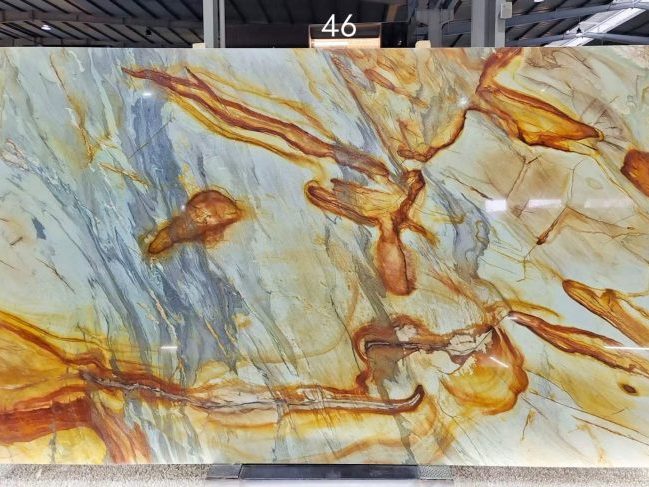


Quick Summary
Soft beige marble is an increasingly popular choice for luxury bathroom vanity projects in North America because it introduces warmth, softness, and architectural calm into spaces that are often dominated by cool white or gray materials. The best applications depend on careful control of tone, veining scale, lighting temperature, and cabinetry pairing. When used correctly, it creates a refined, hotel-like bathroom atmosphere that feels both premium and highly livable.

In modern North American residential design, the bathroom vanity has evolved into a key emotional and visual anchor of the space. It is no longer treated as a purely functional installation but as a central design surface that defines how the bathroom feels and behaves.
Within this context, a bathroom vanity stone guide soft beige marble becomes especially relevant because beige marble sits in a unique position between brightness and warmth. It avoids the coldness of pure white marble while still maintaining the elegance and natural identity expected in luxury interiors.
Designers increasingly turn to soft beige marble when they want a vanity that feels calm, inviting, and timeless without becoming visually heavy or overly decorative.
Why Soft Beige Marble Works for Bathroom Vanities
Soft beige marble works particularly well because it introduces warmth into a space that is typically dominated by reflective surfaces, ceramics, and cool-toned lighting. This warmth helps create a more comfortable and residential atmosphere, especially in master bathrooms.
Another key advantage is visual softness. Beige marble reduces harsh contrast and allows the vanity to integrate more naturally with wood cabinetry, neutral wall finishes, and soft ambient lighting systems.
In North American projects, this material is often selected not for dramatic impact, but for its ability to stabilize the overall mood of the bathroom and support long-term design consistency.
When Soft Beige Marble Works Best
1. Warm Luxury Residential Bathrooms
Soft beige marble performs especially well in warm-modern interiors where oak, walnut, and bronze finishes dominate the palette. It enhances natural warmth without overpowering other materials.
2. Spa-Inspired Bathroom Designs
In spa-like environments, beige marble helps create a calm and restorative atmosphere, making the vanity feel part of a wellness-oriented design language.
3. Large Master Bathroom Suites
In spacious bathrooms, beige marble helps soften visual scale and prevents the vanity area from feeling overly cold or minimal.
4. Hospitality-Style Residential Projects
Hotel-inspired bathrooms benefit from beige marble because it creates a consistent, premium visual identity that feels both curated and approachable.

Design Directions for Soft Beige Marble Vanities
1. Seamless Monolithic Vanity Surface
Large beige marble slabs are used to create a continuous countertop and backsplash surface, emphasizing architectural clarity and minimal joint visibility.
2. Warm Wood + Beige Marble Integration
This approach combines beige marble countertops with oak or walnut cabinetry, creating a balanced contrast between organic warmth and refined stone texture.
3. Floating Vanity with Soft Lighting
Floating cabinetry paired with beige marble enhances spatial openness while maintaining a grounded luxury feel.
4. Double Vanity Symmetry Layout
Beige marble supports symmetrical bathroom designs where visual balance and repetition define luxury perception.
5. Vertical Stone Continuity Design
Extending beige marble from countertop to wall creates a soft architectural envelope that increases spatial cohesion.
Design vs Reality: Key Evaluation Factors
| Factor | Why It Matters | Best Practice | Common Risk |
|---|---|---|---|
| Tone Warmth | Defines emotional comfort of bathroom | Use balanced warm-neutral beige tones | Over-yellow tones feel outdated |
| Vein Movement | Affects visual calm and elegance | Prefer soft, controlled natural veining | Heavy patterns reduce refinement |
| Lighting Interaction | Changes perceived color temperature | Use warm-neutral lighting (3000K–4000K) | Cold lighting flattens marble depth |
| Surface Finish | Impacts tactile and visual softness | Honed finish preferred for softness | Over-polished surfaces feel too sharp |

Performance Considerations in Real Bathroom Use
Bathroom environments expose natural stone to moisture, soap, cosmetics, and frequent cleaning. Soft beige marble performs well visually in such environments because it hides minor imperfections more effectively than pure white marble.
However, like all natural stone, its long-term appearance depends on proper sealing, maintenance practices, and careful fabrication detailing.
In North American residential projects, designers often prefer beige marble for vanity areas where both aesthetic quality and practical livability must be balanced.
Material Pairing Strategy
Wood Cabinetry
Beige marble pairs naturally with oak and walnut, reinforcing a warm, residential aesthetic.
Metal Fixtures
Brushed brass and bronze enhance warmth, while matte black provides structured contrast.
Wall Finishes
Soft plaster, neutral tile, or textured surfaces allow beige marble to remain the visual focal point.
Common Design Mistakes
One common mistake is selecting beige marble with overly strong yellow undertones, which can make the bathroom feel dated. Another issue is insufficient lighting planning, which can reduce the perceived depth and softness of the stone.
Overly complex veining is also problematic in smaller vanity spaces, where simplicity often creates a more luxurious impression.
How CENTURY STAR Supports Vanity Projects
In bathroom vanity applications, success depends on more than material selection. Slab consistency, tone control, fabrication precision, and installation coordination all affect the final result.
CENTURY STAR supports designers, architects, and developers by helping evaluate soft beige marble suitability for vanity projects, ensuring slab consistency, and advising on layout and detailing strategies aligned with North American luxury standards.

FAQ
1. Is soft beige marble good for bathroom vanities?
Yes. It is widely used for creating warm, elegant, and visually balanced luxury bathroom vanities.
2. Where should soft beige marble be used in bathrooms?
It works best in master bathrooms, spa-inspired spaces, and warm-modern residential interiors.
3. Does beige marble stain easily?
It is similar to other marbles, but proper sealing and maintenance reduce staining risk significantly.
4. What finish is best for beige marble vanities?
A honed finish is often preferred for a softer, more architectural appearance.
5. Is beige marble better than white marble for bathrooms?
It depends on the design intent. Beige marble is warmer and softer, while white marble is brighter and more formal.
6. What is the biggest risk when using beige marble?
Poor tone selection or incorrect lighting, which can reduce its natural warmth and elegance.
References
- Natural Stone Institute – Marble Care Guidelines
- ASTM International – Natural Stone Standards
- Interior Design Magazine – Bathroom Material Trends
Final Note / Practical Takeaway
Soft beige marble works best in bathroom vanity design when the goal is warmth, softness, and long-term residential comfort. Its strength lies in creating calm luxury rather than visual dominance.