


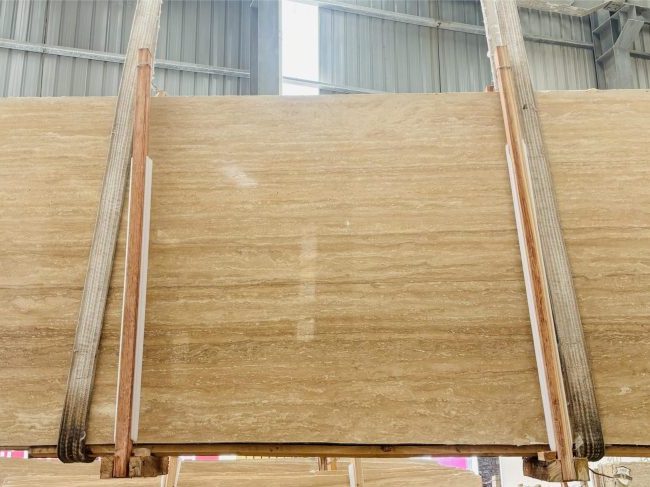
Selecting the ideal material for luxury surfaces requires balancing aesthetic prestige with technical performance. While marble remains the peak of classical elegance, granite and quartz offer superior resistance to physical wear. For high-moisture environments like an Arabescato marble bathroom, moisture absorption rates must be the primary QC metric. Conversely, for high-impact culinary spaces, the heat resistance of natural stone often outweighs the non-porous benefits of engineered materials.
In the realm of high-end B2B project development, the choice of surfacing material is one of the most consequential decisions for both the architectural vision and the long-term ROI. Developers often face a tri-partite dilemma: the timeless luxury of marble, the rugged endurance of granite, or the industrial consistency of quartz. At CENTURY STAR, we believe that material selection should be driven by a technical analysis of the environment. This guide provides an in-depth comparison of these surfaces, focusing on mineralogy, maintenance requirements, and structural integrity.

1. Marble: The Statement of Timeless Luxury
Marble is a metamorphic rock formed from the recrystallization of carbonate minerals under intense heat and pressure. Its crystalline structure allows light to penetrate the surface before reflecting back, a quality known as translucency that gives marble its unique “glow.” For statement pieces like a Calacatta Viola marble kitchen, the bold brecciated patterns create a visual focal point that engineered stones cannot authentically replicate.
However, from a technical standpoint, marble is softer (Mohs 3-4) and more porous than its counterparts. This makes it susceptible to etching from acidic substances. In B2B projects, marble is best utilized in vertical applications, luxury flooring, or meticulously maintained bathroom surfaces where its prestige adds significant market value to the property. Understanding which marble characteristics best suit your project—from mineral density to absorption rates—is essential for long-term durability.
2. Performance Matrix: Technical Property Comparison
To assist developers in objective material selection, the following table outlines the physical properties of each stone type based on ASTM international standards. These metrics are essential when specifying materials for high-traffic commercial zones.
| Technical Property | Natural Marble | Natural Granite | Engineered Quartz |
|---|---|---|---|
| Hardness (Mohs Scale) | 3 – 4 | 6 – 7 | 7 |
| Heat Resistance | Excellent | Excellent | Fair (Resin Scorch) |
| Porosity Rate | 0.5% – 2.0% | 0.01% – 0.4% | < 0.01% |
| UV Resistance | High | Excellent | Low (Yellowing) |
3. Granite and Quartz: The Workhorses of Modern Design
For high-traffic commercial spaces or outdoor applications, the durability of granite is unmatched. Granite is an igneous rock formed from the slow crystallization of magma below the Earth’s surface. This process results in an incredibly dense material that is resistant to scratching and heat. Exotic varieties like a Palladium Smeraldo granite benchtop provide a unique aesthetic that competes with marble’s beauty while offering significantly higher structural performance.

The Quartz Paradox: Consistency vs. Authenticity
Engineered quartz is a composite of crushed stone and polymer resins. Its primary advantage is its non-porous nature, which eliminates the need for periodic sealing. While this makes it attractive for low-maintenance residential projects, quartz has a technical limitation: heat and UV sensitivity. For luxury B2B projects where authentic material integrity is a selling point, natural stone remains the preferred choice for developers targeting the ultra-high-end market.
4. Expert Commentary & Analysis
Case Study: Material Failure in Commercial Hospitality
“We recently advised a hotel group that installed engineered quartz in a sunny outdoor pool area. Within two years, the UV exposure caused the resin to yellow and become brittle. We replaced the installation with honed granite. Natural stone is the only material that can truly stand the test of time and environmental exposure.”
— Technical Director, CENTURY STAR
Final Note / Practical Takeaway
The Material Selection Checklist:
1. Identify the Traffic Level:High-use areas require granite or quartz; statement areas favor marble.
2. Check the Environment: Outdoor spaces should never use quartz due to UV resin sensitivity.
3. Verify Maintenance Capacity:If the end-user cannot commit to sealing, prioritize granite. At CENTURY STAR, we match the right stone to your project’s engineering requirements.
Need a technical comparison for your specific project? Contact our stone specialists for a consultation today.

Frequently Asked Questions
Q1: Is granite more expensive than marble?
A: Not necessarily. While exotic granites can be expensive, common granites are often more affordable than high-end marbles. The cost is driven by rarity rather than stone type.
Q2: Can marble be used in a commercial kitchen?
A: It is not recommended for high-volume prep areas due to its acid sensitivity. However, it is an excellent choice for cold-prep stations.
Q3: Does quartz require sealing?
A: No. Quartz is engineered to be non-porous. However, it still requires cleaning with pH-neutral agents to protect the binding resins.