


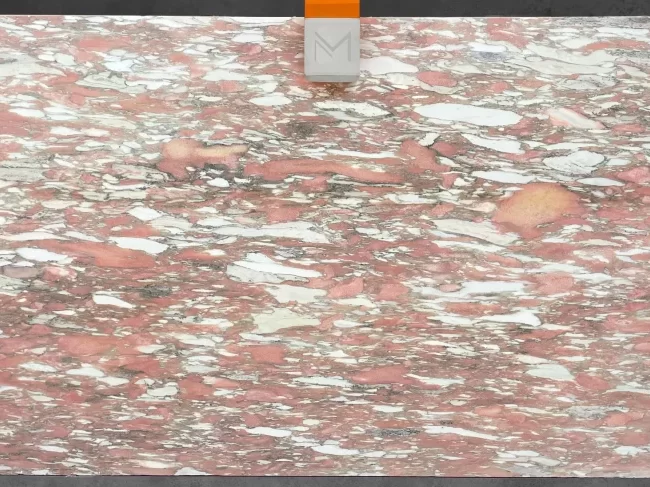
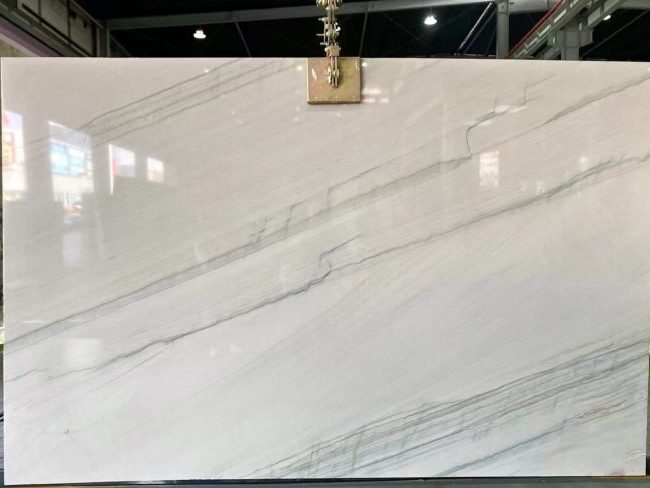
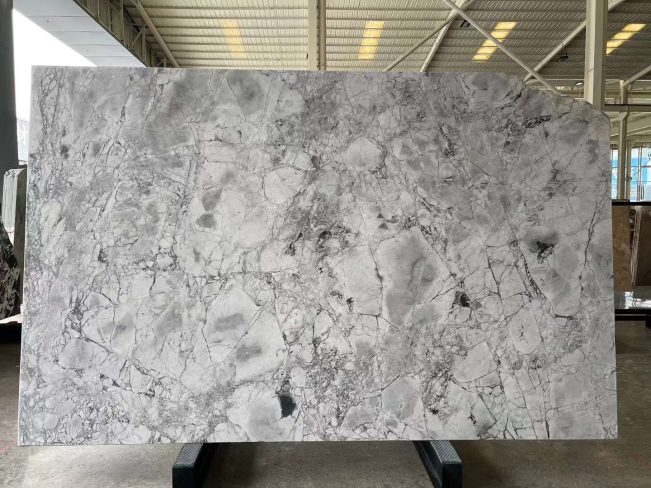


Stone textures represent a three-dimensional poetry jointly written by nature and human craftsmanship. They serve as both natural imprints of Earth’s geological movements over hundreds of millions of years and creative expressions of human artistry. Each vein and every undulation tells a unique story – from the gray-blue ink-wash patterns of Italian Carrara marble to the moving light bands of Brazilian tiger’s eye stone, these miraculous natural brushstrokes form the fingerprints of our planet. Stone textures not only provide practical functions like anti-slip and wear resistance but also infuse spaces with unique emotional warmth through dual visual and tactile experiences, bringing life to cold minerals. When architect Tadao Ando said “stone has memory,” he was precisely referring to these time codes solidified in textures. In our increasingly digital world, stone textures offer us a tangible reality and a perceptible eternity.
The Symphony of Natural and Artificial Textures

Stone textures can be divided into two main categories: natural original and artificial processed. Natural textures completely preserve the primitive traces of geological formation: the rugged wildness of split-face stone reveals the raw power of slate and bluestone; the weathered surfaces record the years of erosion experienced by travertine; while crystalline patterns serve as Earth’s “exclusive signatures,” perfectly presented in the dendritic veins of marble and mineral crystals of granite. Representative stones with natural textures include Italian travertine, Indian sandstone, and Brazilian rainforest marble. Modern processing techniques have brought stone textures into a new dimension – through methods like polishing, honing, bush-hammering, and flaming, the same stone can present completely different expressions. Polished surfaces create mirror effects suitable for luxurious spaces, honed surfaces better suit homes pursuing rustic charm, and bush-hammered textures with their anti-slip properties make ideal choices for outdoor areas. As designer Wang Yan skillfully demonstrated: “By using polished white marble for the living room feature wall and antique-finished same stone for flooring, the contrast between glossy and matte instantly gave the space breathing room.”
The Choreography of Texture and Light

The interaction between stone textures and light composes the most moving spatial poetry. Sunlight passing through the honeycomb pores of travertine projects lace-like delicate shadows; backlit semi-transparent marble reveals internal veins like awakening life, creating dreamy halos. A exemplary case is a Shanghai art gallery where architects suspended dozens of varying-thickness snow-white marble slabs below skylights – when sunlight filters through, the iron veins inside project ever-changing light patterns on the floor, praised by visitors as “walking murals.” Brazilian tiger’s eye stone, with its parallel fibrous structure, produces unique moving light bands under illumination, earning it the nickname “breathing stone.” These dynamic lighting effects give static stone a rhythmic vitality, infusing architectural spaces with time-flowing artistic charm. Designers are increasingly focusing on utilizing the optical characteristics of stone textures to create dramatic spatial experiences.
Tactile Textures: Awakening Emotional Resonance


Stone textures establish profound emotional connections through touch. Rough rubble walls evoke memories of ancient city walls, while smooth polished surfaces satisfy modern desires for refinement. Research shows different textures trigger distinct emotional responses: natural surfaces induce relaxation and intimacy, while geometric patterns create order and security. B&B owner Ms. Lin shared: “We deliberately preserved the original split-face texture on guest room walls. Guests often say touching these undulating veins makes them feel the pulse of the earth.” This tactile experience transcends visual aesthetics, becoming a bridge connecting material and spirit. Modern neuroscience reveals that when people touch different textured surfaces, the brain produces completely different electrical signal responses, explaining why stone textures can evoke such rich emotional resonance. In spatial design, skillful use of tactile experiences can create more memorable environments.
Sustainable Texture Futures

Contemporary design is exploring innovative possibilities and eco-friendly practices for stone textures. Techniques like mosaic patterns, translucent textures, and 3D printing are breaking traditional boundaries. The “Stone Fabric” installation at Milan Design Week blended marble powder with fibers to create a contradictory texture combining softness and hardness, showcasing infinite possibilities in material innovation. Environmental concepts are also driving texture innovation – the reuse of waste stone demonstrates sustainable aesthetic potential: crushed stone fragments can be reassembled into mosaic textures, while processing scraps can form unique puzzle-like patterns through creative combinations. A brand exhibition’s “Digital Stratum” wall used parametric design to simulate dynamic textures formed by crustal movements, perfectly merging technology with traditional materials. Stone textures connect antiquity with modernity – every dialogue with them becomes contemplation about the foundations of human civilization and pursuit of eternal beauty. Moving forward, with technological advancement and growing environmental awareness, the application of stone textures will become more diversified and intelligent, continuing to play a vital role in architectural and interior design.