


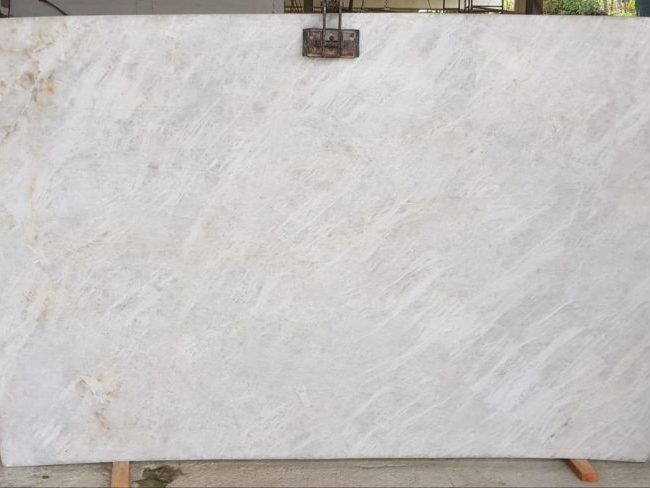
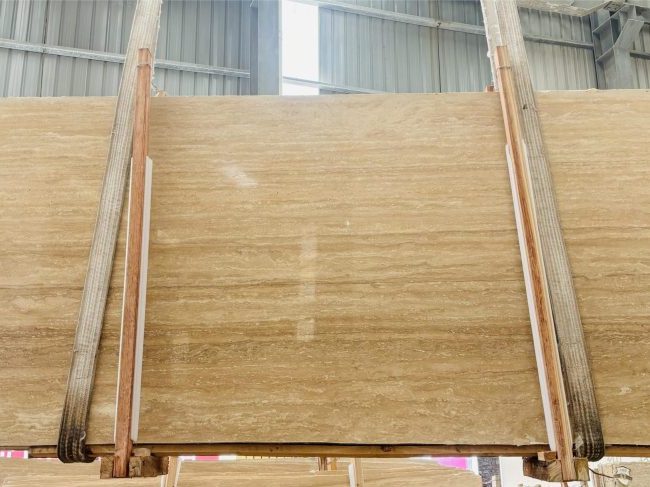
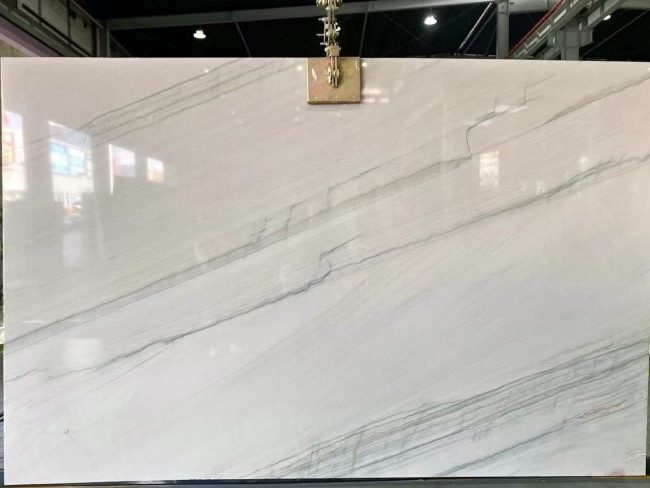
Introduction: Why Understanding Stone Matters
Natural stone has been one of the most enduring building materials in human history, renowned for its durability, aesthetics, and timeless value. Whether you’re an architect, interior designer, or homeowner, understanding the different types of stone, their compositions, and applications is essential for making informed decisions in construction or design.
This comprehensive guide covers everything from how stones are classified, to how they are named, and how to differentiate between natural and engineered stone.
How Stones Are Classified
According to the American Society for Testing and Materials (ASTM), natural dimension stones are classified into six major categories:

Each type has unique physical and chemical properties, making it suitable for specific indoor or outdoor applications.
Naming of Natural Decorative Stones
Natural decorative stones are usually named based on:
- Color or pattern characteristics (e.g., Golden Spider, Ink Elegance)
- Place of origin (e.g., India Black, Brazil Gold)
- Emotional or poetic names to reflect aesthetic charm (e.g., Origin of Life, Buddhist Light)
Note: While most stone names are linked to their origin, some names can be misleading. For instance, French Beige may come from Indonesia, and English Brown might originate in India.
Mineral Composition of Stones
Natural stones are derived from geological processes and consist of various minerals. The main types include:
- Granite: Made up of quartz (20–40%), feldspar (40–60%), and mica.
- Marble: Contains calcite, dolomite, or serpentine, rich in calcium carbonate.
- Quartzite: Composed mostly of quartz, formed through metamorphosis.
- Limestone: Predominantly calcite, may include clay and other impurities.
- Slate: Formed from clay or volcanic ash, exhibits fine lamination.
Key Stone Types and Their Features
1. Granite

- Texture: Crystalline, hard, dense
- Properties:
- High compressive strength
- Acid and abrasion-resistant
- Low water absorption
- Uses:
- Outdoor paving, bridges, foundations
- Polished slabs for countertops and art
2. Marble

- Texture: Smooth, veined
- Composition: Calcite-rich
- Properties:
- Softer, easier to carve
- Higher water absorption
- Susceptible to acid corrosion
- Uses:
- Indoor flooring, wall cladding, sculptures
3. Limestone
- Color: White, grey, cream
- Properties:
- Easy to cut and shape
- Good for facade work
- Highly reactive with acids
- Common in:
- Church construction, heritage restoration
4. Quartzite vs. Quartz Stone
- Quartzite: Natural metamorphic rock
- Quartz stone: Engineered, made from 90–93% quartz + resin
- Key Difference: Quartzite is natural and heat-resistant; quartz stone is man-made and less heat-tolerant.
5. Slate
- Features:
- Foliated, layered
- Excellent water resistance
- Best for:
- Roofing tiles, outdoor flooring


What Is Stone Mosaic?

Stone mosaics are small stone tiles arranged in patterns, commonly used for walls, floors, and artistic panels. When produced at scale, manufacturers use new blocks or cut slabs, not just leftover waste.
Categories of Stone Mosaics:
- Molded Mosaic
- Small Granule Mosaic
- 3D Mosaic
- Split-face Mosaic
- Mosaic Carpets
- Castle Bricks
Human-Made Stones vs. Natural Ston
| Feature | Natural Stone | Artificial Stone (e.g., Quartz Stone) |
|---|---|---|
| Origin | Quarried from earth | Manufactured from resin, quartz, etc. |
| Look | Naturally varied | Man-made patterns |
| Backside | No mold marks | Often has mold patterns |
| Imperfections | Natural pores and lines | May contain bubbles |

Surface Finishes of Stone
1. Polished
- Glossy and reflective
- Best for interior spaces
2. Honed
- Smooth but non-glossy
- Ideal for high-traffic floors
3. Water-Washed (Water Jet Finish)
- Textured via high-pressure water spray, sometimes with sand
- Natural anti-slip finish for outdoor use
From Color Systems to Design Classifications
Apart from geological classification, designers often classify stones by color families:

- White tones
- Beige and yellow
- Grey and blue
- Green and red
- Brown and black
- Mixed exotic colors
This system helps in interior palette matching and aesthetic planning.
Application Tips & Suitability
Granite for Outdoor
- Withstands weathering, UV, acid rain
- Excellent for landscape, monuments, building exteriors
Marble for Indoors
- Best for bathroom walls, reception desks, fireplace cladding
- Requires sealing due to higher porosity
Top 5 FAQs About Natural Stone
Q1: How do I tell the difference between natural and engineered stone?
A: Look for natural veins, inconsistencies, and patterns. Engineered stones may have mold patterns or trapped air bubbles.
Q2: Is granite really better for kitchen countertops?
A: Yes. Granite is heat- and scratch-resistant, has low porosity, and is highly durable—ideal for heavy-use surfaces.
Q3: Can marble be used outdoors?
A: Generally not recommended due to weather sensitivity, acid rain vulnerability, and high porosity.
Q4: What is the most low-maintenance natural stone?
A: Slate and granite require minimal sealing and resist wear best in high-traffic or outdoor environments.
Q5: How are stone products named?
A: Usually by color pattern or origin. Some may have poetic names that reflect appearance or emotion.
Conclusion: Know Your Stone Before You Choose
Whether you’re a homeowner choosing a new kitchen countertop or a developer sourcing large quantities for construction, understanding stone types and properties is essential. Each material has its strengths, limitations, and optimal use cases.
At CENTURY STAR, we not only supply a wide range of natural stones but also offer full guidance on stone selection, usage, and after-care. From marble to granite, from mosaics to slabs—our expertise ensures you make the right choice every time.
? Visit us at www.hcenturystar.com for more expert resources and premium stone solutions.