



What Sets Natural Stone from Artificial Stone?
Understanding the differences between artificial stone vs natural stone is absolutely essential when choosing materials for flooring, countertops, or other inside projects. This all-inclusive book explores their variances, tackles shared issues, and provides focused remedies to help you decide with knowledge.
What is Natural Stone?
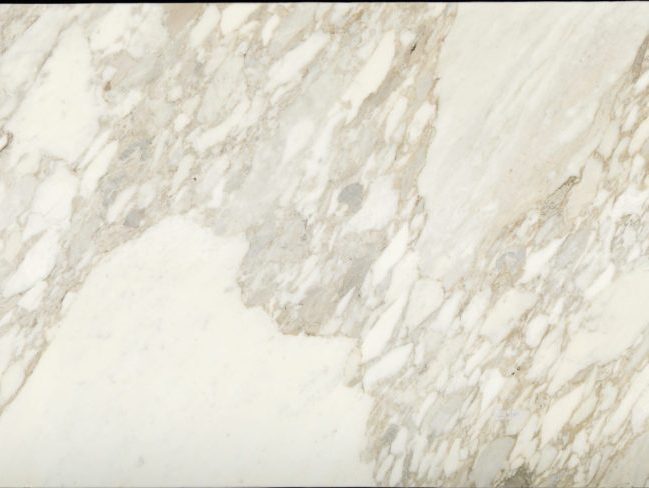
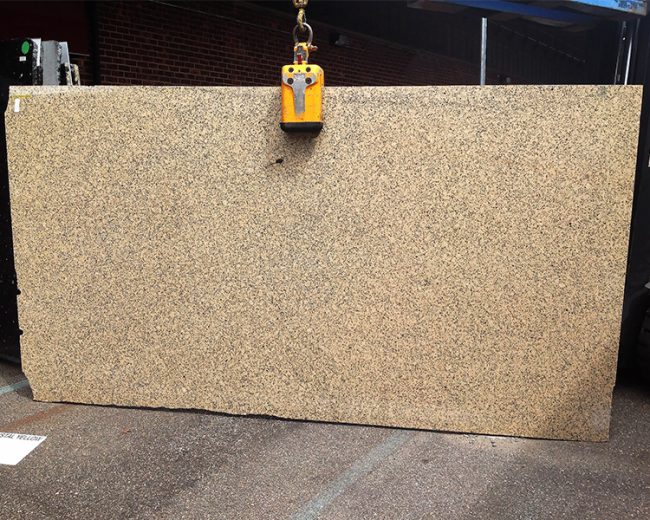
Since natural stone is mined straight from the ground, each slab has different hues and patterns. Among common varieties are slate, limestone, granite, quartzite and marble. Every item provides unmatched beauty and uniqueness while being evidence of geological events spanning millions of years. Unlike engineered stone, the individuality of every natural stone slab guarantees that every installation is unique.


What is artificial stone (engineered stone)?
Often referred to as quartz,sintered stone, engineered stone is a man-made creation produced from crushed stone held together by resins and colors. Usually, it comprises of 5-10% resins and around 90–95% natural aggregates. Often reflecting natural stone vs quartz, this manufacturing technique allows a wide spectrum of colors and patterns, so providing consistency across slabs. Artificial stone vs natural stone debates often highlight the advantages of engineered stone’s predictable appearance and ease of use.


Key Variations Between Engineered and Natural Stone
1. Aesthetics
Natural marble stones provides distinctive, one-of- a-kind patterns and color variances that guarantee every installation is different.
For major projects needing a consistent appearance, artificial stone offers homogeneity in color and design.
Cultured stone vs natural stone might be a comparison worth looking at for people who want a more homogenous look as cultured stone provides a more under control aesthetic.
2. Maintenance and Durability
Natural Stone: Type affects durability; granite is quite heat-resistant and durable, whereas marble is more likely to scratch and stain. Maintaining its look and avoiding damage usually depend on regular sealing. Natural stone vs artificial stone arguments usually center on the more upkeep required of natural stone.
Usually non-porous,engineered artificial stone is more resistant to stains and scratches. It might not, however, resist great heat like certain natural stones do. Usually just easy cleaning with light soap and water, man-made stone vs natural stone is a better alternative for people looking for low-maintenance solutions.
3. Environmental Affective Change
Extraction and transportation of natural stone could have major effects on the surroundings. Nonetheless, compared to natural stone vs manufactured stone it is a more environmentally responsible choice as it is a natural product free of synthetic additions.
Manufacturing of engineered stone uses resins and other chemicals, hence the process consumes energy. A few goods could use recycled materials, therefore lowering their environmental impact. Because natural aggregates are used in engineered stone, compared to porcelain vs natural stone it may be considered more sustainable.
4. Cost
The rareness and provenance of the stone will greatly affect the price of natural stone Furthermore adding to the total cost are maintenance and installation expenses. Pricing comparisons between artificial stone vs natural stone generally show that, particularly for luxury materials like marble or unusual granite, genuine stone can be more costly.
Artificial Stone: Usually provides a more consistent pricing range; brand and design influence cost. Though maintenance costs are usually cheaper, installation costs are similar to those of genuine stone.


Dealing with Typical Problems and Offering Solutions
1. artificial stone vs natural stone–Etching and Staintin
Natural stones like marble can be stained by acidic materials and etching from acidic spills.
Consistent sealing can assist to preserve the surface. Immediately wipe spills with a pH-neutral cleaner; do not set acidic foods or beverages right on the countertop. Although artificial stone vs natural stone may provide higher resistance to these problems, natural stone may still be preserved with correct care.
2. artificial stone vs natural stone–Heat Resilience
While granite and other natural stones may resist high temperatures, manufactured stones might be more likely to suffer heat damage.
Under hot cookware, always use heat pads or trivets to prevent thermal shock or discoloration. Often stressing natural stone’s stronger heat resistance, artificial stone vs natural stone is a preferable choice for high-heat spaces like kitchen countertops.
3. artificial stone vs natural stone–Scarching
Marble and limestone, among softer natural stones, can scratch more readily than harder stones or manmade choices.
Use cutting boards to avoid scratches; think about choosing an honed finish to help to minimize their visibility. In the argument artificial stone vs natural stone this is a crucial factor.
4. artificial stone vs natural stone–Sync in Appearance
A consistent appearance with real stone can be challenging because of inherent variances.
Designed stone provides a more homogeneous look if uniformity is your top concern. Working closely with your supplier, choose slabs for natural stone that closely fit your intended look. For homeowners seeking controlled designs, this feature makes artificial stone vs natural stone comparisons rather worthwhile.


Industry Insights and Patterns
Recent trends show an increasing inclination for materials that strike a mix of sustainability, durability, and appearance. While real stone is still preferred for individuals looking for distinctive, opulent finishes, engineered stones have become well-known for their minimal maintenance and uniform appearance. For those debating durability against design flexibility, artificial stone vs natural stone .like natural stone vs quartz still begs questions.
Development in manufacturing methods and sealing technologies keeps improving the attractiveness and performance of both materials. As porcelain tiles become more and more affordable and flexible in design, the argument between porcelain and natural stone also picks momentum.


Conclusion
Your particular demands, aesthetic taste, and way of life will determine if artificial stone is better than natural stone. Knowing the main variations and tackling shared issues with focused solutions can help you choose the resources most fit for your project objectives. Reviewing present trends and speaking with business experts can help you make even more informed decisions.
Whether you choose the classic beauty of artificial stone vs natural stone or the consistency of engineered stone vs natural stone, your house or project will show your vision for years to come.