


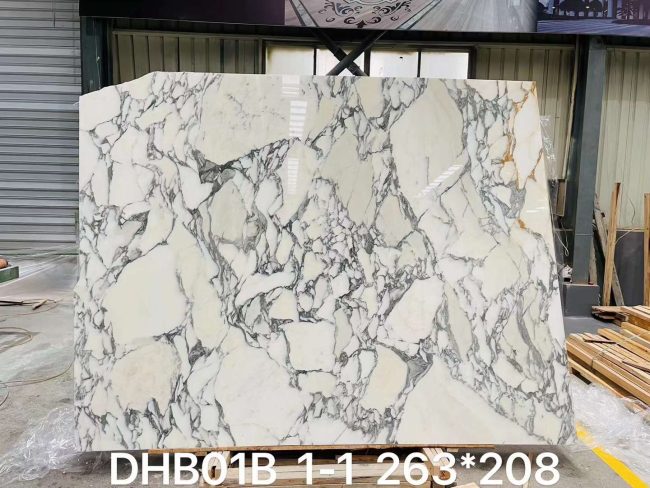
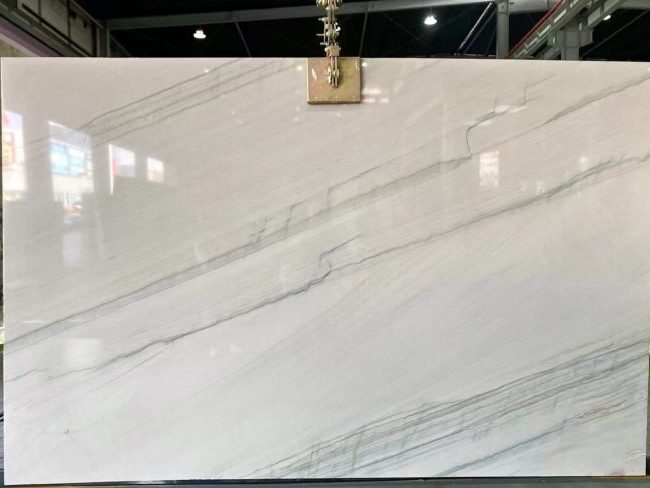


“Stone house lines” is the word used to describe ornamental elements composed of natural stone (including marble, granite, limestone, etc.). Usually used for both indoor and outdoor decoration, these elements are mostly used to improve the artistic sense and visual attractiveness of a construction. Usually having particular geometric forms and surface processing, these lines help to achieve the goal of decorating and attractiveness. Door frames, window frames, handrails, counters, eaves, building corners, waistlines, skirtings, and other areas all find use for them. Furthermore, stone lines have a certain practical relevance, especially in some spots that are prone to wear and damage, including the interfaces and joints of different ornamental materials, corners, and other areas that are prone to collision. This is on top of their ornamental value. Stone lines There are several ways to process stone lines: rough material processing, splicing two stones of the same material, and other such approaches.
Stone Flower Line

Popular decorative form observed in decorative stones is lines, sometimes known as stone lines. One another names for stone lines are lines. Highly processed stone strips are used to construct this line; their design usually requires that at least one of their surfaces remain straight for them to be able to be an installation surface. Among the operations used in processing stone lines are cutting, grinding, and polishing. These actions guarantee that the lines are exquisite and exact. These lines serve not only for decoration but also for other related purposes include enhancing the building’s impression of three-dimensionalism, covering the corners, and other like ones. Stone lines abound and can be arranged according to kind of stone, form of the cross-sectional area, and degree of surface processing. Both inside and outside, they are used extensively in the decoration of buildings to improve the artistic sensibility and aesthetic worth of the construction. Stone line installation calls for skilled technology and careful measuring in order to guarantee that the lines are straight and that the general ornamental impact is coordinated.


Special-Shaped Stone Lines
One of a kind and somewhat rare ornamental element are stone lines created in a specific pattern. They fall into many different categories based on the kind of stone utilized to satisfy the several needs for architectural embellishment. This is carried out to meet the several needs and so achieve the aim of adaptation. Sometimes referred to as designated M, marble lines stand out for their unique color and texture. They are extensively utilized in the decoration of luxury building projects to give the whole look of the construction a sophisticated and grandeur. Because of their firm texture and wide range of color choices, granite lines—also commonly referred to as G—are highly appreciated. Furthermore, they can provide buildings or other constructions a long-lasting and aesthetically pleasing look that is not simply robust. utilizing artificial stone lines—shown by the letter R—is less expensive than utilizing natural stone lines. Pressing molds helps to produce an appearance similar to that of real stone while also keeping their economy of cost.

Slate’s bedding structure makes it unsuitable for use in stone line construction. Slate is not fit for usage in this sense. This material’s bedding probably might cause instability and fragility all during the production of the product, which will affect the general quality and performance of the product over its whole. This makes it imperative to evaluate the physical properties of the stone as well as its processing capacity while choosing the stone for a line of construction. This stage is followed to guarantee that the last decorative impact is both aesthetically pleasing and useful.
Stone lines created in a certain style have several uses depending on their design. Apart from decorating walls, both inside and outside, they also find application in door frames, window frames, handrails, countertops, eaves, building corners, waistlines, skirtings, and other purposes. They are also used for decoration of walls. Splicing together a single segment or several segments of an integral and continuous ornamental line will enable one to produce both of them. This is done in order to solve the issue and reach the aim of decoration and beautifying. Design and processing of special-shaped stone lines need the use of specialist technology as well as artistic conception to guarantee that every line may be perfectly merged into the overall design and that the one-of- a-kind charm of the stone is shown.


Straight and curved flower lines
Within the field of stone ornamental lines, there exist two main categories distinguished: straight lines and curved lines. The basis for the distinction is the extension trajectory of the lines, which distinguishes one another. Straight lines—also referred to as Z lines—are those with exactly straight extension paths. Straight lines are those which run straight forward. Usually, these lines are used in cases when straight line decoration is needed, like when vertical or horizontal decorative lines are needed on walls, door frames, window frames, and other comparable constructions. Straight lines are simple and clearly used in design, which makes sense. Their desired outcome is to be able to provide the building with several visual impressions and a strong sense of geometry.

When we discuss curved lines, we are talking to those lines whose extension trajectories are curved. Among the areas that might profit from such lines are arc-shaped door frames, window frames, and column wraps. This is so because these lines work well in places needing subdued transitions or curved ornamentation. If the construction is built in this way, the building will seem more beautiful and dynamic by using curved lines—more flexible and moveable construction. Furthermore, curved lines allow a greater spectrum of difficult architectural forms and strict design standards.
Whether the lines are straight or curved, one can change them in keeping with the real design specifications and the application conditions. These lines enhance the structural stability and endurance of the construction to a certain extent in addition to being a visual ornament. Stated otherwise, they could grow to be more robust. In modern architectural design, the use of straight and curved flower lines is becoming more and more important on a generally broad scale. Apart from fulfilling the practical criteria of the building, they could improve the artistic value and aesthetic quality of the construction. The unique appeal of stone ornamentation is evident in the fact that, with careful planning and competent construction, it is possible to precisely include these stone lines into the general framework of the building.
Surface Processing Degree

One of the few key criteria used in classification of stone lines is their degree of surface processing experienced. Depending on the surface treatment techniques usually used, stone lines can be categorized as either mirror lines (codenamed J), fine lines (codenamed X), or rough lines (codenamed C). Apart from their great shine and reflection, mirrored lines (J) are exactly polished to a great degree. Usually designated for decorative uses requiring great degree of brightness and visual impact, this type of line is It can give the construction a sense of modernism and elegance. Though they have a refined feel, fine lines (X) have a smooth surface lacking mirror luster. These materials are suitable for places that call for delicate visual effects, such furniture surfaces or interior wall decorations. The crude lines (C) show a simplicity and primordial beauty. The surface might have been chemically treated, sandblasted, singed, axe-chopped, or tool processed. The ground is not smooth. Architectural decorating aiming at a natural or retro design often makes use of this kind of lines. One of a kind, they can generate a texture and color impression.
Different degrees of surface processing not only affect the visual look of stone lines but also could affect their physical properties and longevity. For example, whilst lines with roughness may have better resistance to wear and discoloration, lines that are mirrored could be more likely to scratch. The appropriate degree of surface processing dependent on the unique usage environment and design needs must be found while choosing stone lines. This is so because building uses stone lines really extensively. Designers and construction experts should carefully analyze these features of stone lines to ensure that the ultimate ornamental impact will be both aesthetically pleasant and useful.


Stone Decorative Lines
Stone ornamental lines are elements used in indoor and outdoor architectural decorating to enhance the artistic sense and visual attractiveness of the construction. Natural stone including marble, granite, limestone, and other varieties makes up these lines. These lines not only have practical uses, including protecting dangerous areas like corners and edges, but they also have significant decorative effects that enable the construction to have a unique personality and character.
One can construct stone ornamental lines in several ways: straight lines, curves, or even complex geometric patterns. These lines might be graceful or straightforward, plain ones. Splicing single or several pieces together creates these lines in continuous ornamental fashion. These lines create rich layers of touch on the surface in addition to helping individuals’s gaze to be guided visually. Cutting, grinding, polishing, and other such procedures are part of a sequence of steps used to handle stone ornamental lines. These actions guarantee that the surface is smooth and that the lines are correct.

Modern architectural design is including increasingly more stone decorative lines. One expects this trend to keep on. They are used not only in the traditional architectural ornamentation of door frames, window frames, waistlines, skirtings, and other similar elements but also in the creative design of modern buildings, where they are used in the decorating of curtain walls, roof lines, art installations, and other like elements. Stone ornamental lines enhance the cultural connotation and historical sense of the building with which they are connected in addition to their visual worth.
Furthermore, the choice and application of stone ornamental lines must consider the physical traits of the stone as well as its ability to adapt to various surroundings or situations so ensuring the lifetime and safety of the stone. Designers should carefully examine many criteria when choosing stone ornamental lines, including the hardness of the stone, compressive strength, and resistance to the elements as well as the installation technique and line maintenance needs. This guarantees that the end ornamental impact is both aesthetically appealing and useful. If careful planning and competent construction are used, stone ornamental lines can be exactly merged into the general framework of a building. This shows the unique creative worth and appeal of stone decorating.