


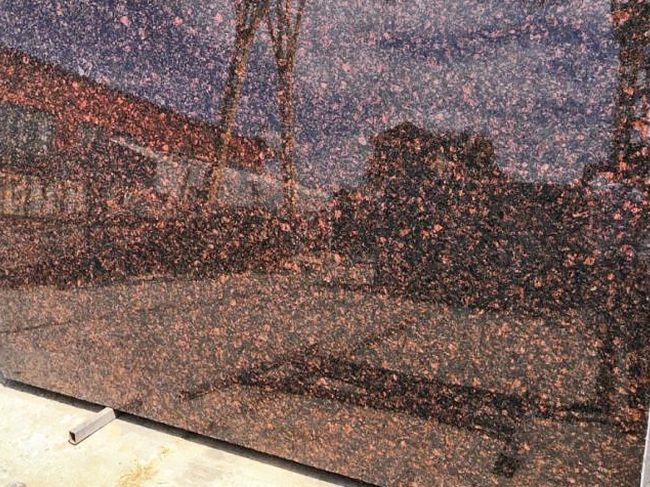

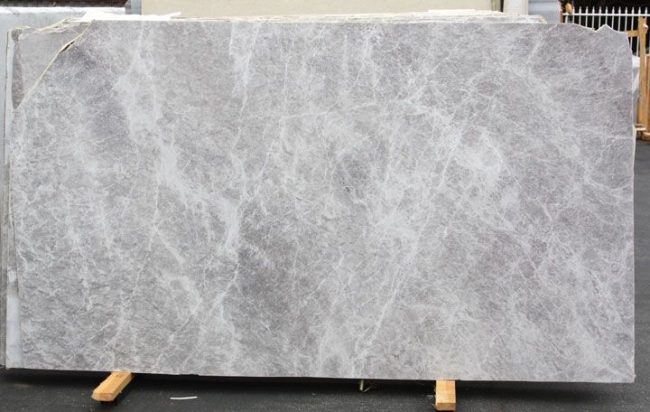


1. Does natural stone contain radioactive substances that cause cancer?
Examining the problem “natural stone containing radioactive substances will cause cancer” closely and responding from several angles will help one to find the solution. First of all, the composition of the earth is essentially made of natural stone—that which contains igneous and metamorphic rock. Moreover, the content of radioactive elements in natural stone is somewhat similar to that of soil. Most natural stone is absolutely safe for human use. This point of view is supported in the “China Natural Marble White Paper (2013”. Other authorized organizations, the National Stone Quality Supervision and Inspection Center, China Stone Association, published this paper. It amply demonstrated how naturally occurring marble may be used without risk and does not endanger human health.

Furthermore, the actual measurement data of stone since the implementation of the national standard GB 6566 “Limits of Radioactive Nuclides in Building Materials” indicates that the radioactive specific activity of radioactive nuclides radium-226, thorium-232, and potassium-40 in natural marble is far lower than the requirements of Class A in the standard, thus marble products have no radioactive hazards to the human body. Furthermore working together, the National Stone Quality Inspection Center and the National Stone Standardizing Technical Committee released a notice stating that natural marble can be used without risk and would not generate any radioactive hazards to the human body.

Scientific study has developed the phrase “natural radioactivity” to characterize the reality that some materials found in nature have unstable nuclei and can decay spontaneously. This implies that, accompanied by radiation emission, they can travel from one nuclide nucleus to another. The natural radionuclides found in the rock provide the source of the radioactivity observed in natural stone. Found in the rock, these radionuclides are the decay products of the uranium series and the thorium series. Under natural conditions, it breaks down into the “radon gas” that causes fear among people. Radon’s daughters all are decay products and strong radioactive radiators. Breathing them in is easy, and they harm the lungs by doing such. This is one among the several facets of radioactive hazards. If humans are abruptly abandoned and live in an environment devoid of radiation, it is likely that some of their immunological capacity will be compromised or destroyed as they have been raised in a naturally radioactive environment with a certain background value. People’s safety will thus also be under risk. This makes one not too worried about a lesser count of stones.
2. Natural stone environment ≠ healthy living environment?
If people are swayed by stories like the one that natural marble causes cancer, they could believe that a natural stone environment is not equal to a healthy living environment. Still, this point of view is not realistic. Point of fact, natural stone not only lacks radioactive substances harmful to the human body but also has the energy needed for the preservation of health. One such a high-end spa club application of this is geothermal stone treatment. This kind of treatment heats the body using the energy of the earth stored inside natural stone, therefore activating the metabolism and dredging meridians. Moreover, designers from different nations use marble in the construction of healthy living rooms. Natural stone finds usage in many different fields, including bathing facilities, fitness equipment, and decoration. Apart from its natural character, the natural stone exercise environment is advantageous for one’s health.


3. Are artificial building materials greener and healthier than natural marble?

Natural marble is a material that is absolutely safe to use, which is a great contrast to the synthetic building materials now in use. Artificial building materials run the risk of including uncontrollable elements that humans treat during the manufacturing process. These components might pose certain risks for human health. To save money, some producers could use less expensive materials—even inferior ones. These products might include harmful chemicals such benzene and formaldehyde, which can volatilize with use and damage the human body. Those materials could also include other dangerous components. Moreover, artificial marble could include radioactive elements. Although the human body is quite sensitive, it is nevertheless crucial to pay attention to ventilation to ensure safety conditions.
Conversely, the radioactivity of natural marble is quite low and well below the national Class A index criteria. Thus, it could be used with total confidence. Conversely, the “China Natural Marble White Paper (2013)” makes it rather clear that natural marble may be used without risk and does not endanger human health. Natural marble is an outstanding building material since the evidence shown here shows that it is not only aesthetically beautiful but also risk-free.
4. Are artificial boards cheaper and more cost-effective than natural stones?

First of all, from the standpoint of cost, fake boards available on the market are really far less expensive than natural stones. Artificial boards like particleboards cost between 20 to 100 yuan per sheet; the particular price varies depending on the size, thickness, and quality of the board. Natural marble has a different average price range, though. Low-end marble averages between 100 and 500 yuan/square meter; mid-range marble averages between 500 and 2000 yuan/square meter; high-end marble is more than 2000 yuan/square meter. This indicates that fake boards are really less expensive starting with the buying cost. Still, the value of genuine stone is shown in more ways than merely cost. Natural stone has emerged over millions of years. Every stone has a different texture, color, and feel that has great artistic worth and collector value. Artificial boards cannot reflect this originality. Natural stone is pricey and strong in the market because of its preciousness and individuality. Natural stone also possesses features of environmental conservation and health. Natural stone is the healthiest and most ecologically friendly decorative material since it lacks radioactive elements influencing human life. Artificial boards could make use of adhesives using dangerous compounds like formaldehyde during manufacturing, and long-term interaction could damage the human body.
Therefore, even although artificial boards could be less expensive, in the long term the uniqueness, artistic value, and health and environmental protection qualities of real stone make it a more sensible choice. Consumers should take into account price, aesthetics, health and environmental protection as well as other elements depending on their personal demands and budgets when selecting materials.
5. Why do “heavyweight” buildings prefer natural stone?
Because of its unique look and great functional value, natural stone is especially sought after for “heavyweight” projects. Natural stone has always been the preferred choice of material for builders because of its richness of hues, unique texture, and scarcity. Many other qualities help to explain its appeal. Any produced substance cannot match the range of textures and hues seen in natural stone, and every piece of natural stone has earthly history. Natural stone’s singularity helps it to show an unmatched uniqueness and appeal in building design.
Natural stone is used in upscale buildings, including modern hotels with star ratings or old palaces, not only for decoration but also for a cultural and artistic connotation’s conveyance. Natural stone is a great choice for use when trying to express the air of richness and dignity the building radiates since of its royal attitude and timeless beauty. Natural stone is often the first choice designers choose when seeking for premium design impacts as they are completely aware of these qualities of it.
Natural stone’s attractiveness stems from its long-lasting nature and low maintenance requirements, which also help to explain its great popularity. Particularly high wear resistance and compressive strength are natural stone—that which comprises marble, granite, and other comparable materials. It can maintain its attractiveness and functionality even in public places with plenty of foot activity. This material’s resilience will enable the construction to have a longer life cycle and less maintenance expenditures, thereby guaranteeing that the structure will be useful over the long run.
Furthermore very important in contributing to the general use of natural stone are its environmental protection qualities. Unlike produced materials, natural stone lacks any chemicals that could endanger the human body. Moreover, natural stone is a decorative element with environmental friendliness and health value for the earth. Growing respect for the need of preserving the environment and leading healthy lives permeates modern society. The fact that natural stone has this feature surely adds to the attractiveness of the material in the context of building.


6. Why are natural stone crafts expensive?
Many elements help to explain the high cost of natural stone crafts. Above all, the great cost of the raw resources is primarily related to their value. Naturally occurring stones are quite valuable in and of themselves, especially those of the best quality used as raw materials in artistic expression. Screening these stones layer by layer is customary to ensure that their texture, grain, and color maintain the strict standards of workmanship. Their prices directly reflect the complexity of mining and the shortage of the resource.
Conversely, the value of natural stone crafts cannot be judged just based on the components utilized in their manufacture. The extraordinary stone workmanship and modern professional technologies it exhibits provide much more a deeper justification. Usually, craftsmen have to commit a lot of time and effort to create these objects; each process requires a very high degree of accuracy as well as an artistic sensitivity. Starting with the design concept and working through the actual carving process, every level shows the craftsmen’s great awareness of the properties of stone as well as their love of art.
Natural stone crafts have a great look and show great degree of expertise depending on careful attention to detail. These trades not only entail the simple stone processing but also the depths of excavation and the presentation of stone’s natural beauty by the artists. The designer’s choice to give each piece of handcraft a unique significance directly results in the different cultural connotation and creative merit that each item holds, so improving the value of the collection and enjoyment of the item.
Moreover, the collection value of natural stone craftwork is enhanced by their scarcity and irreproducibility. Collectors are lured to each unique item of handicraft since none of them can be exactly duplicated in terms of texture or color. The value of these handcrafted creations tends to rise with time and to be passed on from one generation to the next for upcoming generations.