


In the processing of stone products, the handling of R corners of stone plays a critical role in both the functionality and the longevity of the finished product. R Corners of Stone, which are the rounded or curved edges of a stone product, are not merely aesthetic choices; they are essential in preventing stress concentration, which can lead to cracks, breakages, and even potential harm to users.


Carrara Marble in Home Decor
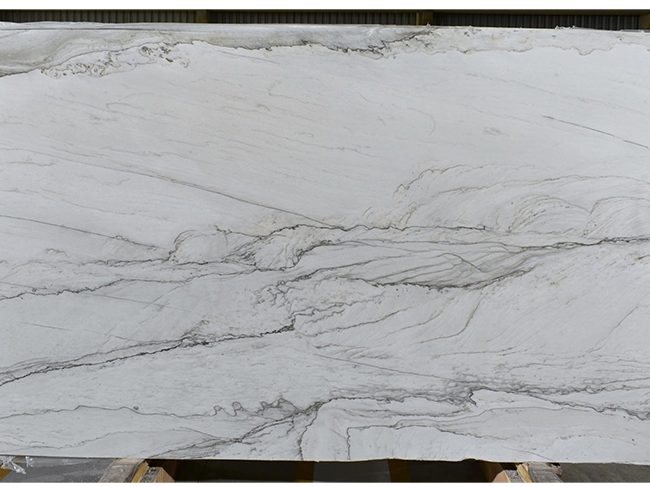
Take, for example, the use of Carrara marble in various home decor applications. Carrara marble backsplashes are a popular choice in kitchen designs due to their classic white and grey veining, which adds a touch of elegance to any space. However, if the corners of these marble tiles are not properly processed, the stress that accumulates at the sharp angles can cause the tiles to crack over time, especially in areas where the marble is exposed to regular use, such as around the stove or sink.

Likewise, great thought should be paid to how the Carrara marble tiles are cut and installed if they are used as flooring. Particularly in high-traffic places like hallways and doors, each tile’s edges must be softly rounded to minimise chipping and cracking. Correctly handled R corners not only prolong the life of the floor but also preserve the opulent look for which Carrara marble is recognised.

Decorative Marble Elements
Marble ornamentation in the field of interior design is a classic and luxurious emblem. Whether it’s including marble flooring into a stately foyer or adding accent floor marbles to a bathroom or living room, the handling of these materials calls for accuracy. When utilising beautiful flat glass marbles in mosaic designs, for example, the edges must be painstakingly rounded to guarantee that the glass pieces fit together perfectly without generating weak areas that might damage the general integrity of the design.
Inner R Corners: Preventing Stress Concentration
The importance of R corners in stone processing is further highlighted in architectural features such as decorative marble arches and marble fireplaces. These elements often serve as focal points in a room, drawing the eye with their graceful curves and intricate detailing. However, if the R corners of these structures are not carefully crafted, the marble can become prone to cracking, particularly in areas where the arch or fireplace bears weight. The smooth transition of the R corners of stone helps distribute stress more evenly, reducing the risk of damage and ensuring the structure’s stability over time.
One of the primary functions of the inner R corners of stone is to minimise stress concentration. Figure 2 in the accompanying diagrams illustrates a bathroom countertop that has been produced in large quantities. During production, many of these countertops broke at point A, a sharp corner where stress was excessively concentrated. This scenario is comparable to the issues that can arise in decorative marble fireplaces or marble arches if their corners are not properly rounded. The sharp angles at points A, B, and C are prime locations for stress to accumulate, leading to potential fractures, as shown in Figure 1 with a kitchen countertop product. This is why, whether working with Carrara marble backsplashes or decorative marble arches, it is crucial to process the inner R corners of stone correctly.


When considering the broader context of decorating with marble floors, it’s important to understand that marble, while beautiful, is a natural stone that requires careful handling. Floors made of marble need to have their edges and corners smoothly rounded to prevent damage during installation and use. Sharp edges can catch on objects, leading to chips or cracks, and can also pose a hazard to those walking on the floor. By incorporating well-processed R corners, the floor not only looks flawless but also provides a safer environment.
Outer R Corners: Enhancing Safety and Aesthetics
On the other hand, outer R corners of stone also have significant functional and aesthetic roles. where a washbasin countertop features an external R20 rounded corner, these outer R corners are essential for preventing damage to the stone, protecting users from sharp edges, and enhancing the overall appearance of the product. In decorative marble fireplaces and arches, external R corners help to soften the look of the R corners of stone, making the design appear more harmonious and refined.

For example, in decorative flat marbles used in various art pieces or home decor items, processing the outer R corners of stone can prevent the marbles from causing injuries or from being easily damaged. Similarly, in decorative marble arches, the external R corners contribute to both the safety and the aesthetic appeal of the structure, ensuring that it remains a stunning focal point for years to come.
In conclusion, whether you are incorporating Carrara marble into a kitchen backsplash, installing marble tiles for flooring, or designing with decorative marble features such as fireplaces and arches, the careful processing of R corners of stone is indispensable. This meticulous attention to detail not only enhances the beauty of the marble but also ensures its durability and safety, allowing these luxurious elements to remain a cherished part of the home for generations.