




Long valued in the world of architectural architecture, natural onyx tile/slab is a material with ancient and enigmatic quality. This is so because natural onyx has been used for a very long period. Its remarkable physical qualities and unique architectural design have helped it to get this outcome. The phrase “Calcite onyx” is used by the Asian Gemological Association (GIG) to describe the range of onyx tile used in the manufacture of building materials and handicaps for different uses. This particular type of onyx goes under several names, including “carbonate onyx” and “onyx onyx,” while English calls it Onyx. Given a Mohs hardness of three, onyx tile seems to be exceptionally long-lasting and resistant to surface wear-down. As such, it is ideally appropriate for use in places like flooring, counters, and other areas that demand it to resist daily wear and strain. This is so due of its very robustness. Large numbers of this particular type of onyx can be found in the southern Andes Mountains and the foothills of the Himalayas. A number of different geological processes, including carbonate deposition, crustal movement, high-temperature dissolution of magma, alteration and crystallisation, and a series of other complex geological processes, have shaped its development process—which has resulted of more than one billion years of natural evolution.


These activities—washing, transporting, precipitating onyx by flowing water, mixing onyx tile with gravel, and lastly generating the onyx sedimentary ore—have produced the onyx tile sedimentary ore we currently find. We observe today these processes. Natural onyx boasts a wonderful and varied texture. This is so because of the amazing transformations brought about by the natural formation process, the several gravel materials wrapped in the process, the varied degrees of crystallisation, and the several washing directions used in the process. These several textures allow onyx tile not only to provide a one-of- a-kind beauty but also to have an unmatched value in the field of decorative building. onyx is special in two different ways. Because of the many textures and colours of onyx tile, which, like the magic of nature, provide a unique sort of natural beauty and creative value to architectural design, every single piece of onyx is a one-of- a-kind work of art. Building like construction make use of onyx tile as a component.


Natural onyx tile is no longer restricted to the decoration of floors and walls; its usage in modern architectural design transcends the conventional restrictions. This is so because more diverse current architecture designs incorporate real onyx tile. Furthermore used extensively in the construction of a variety of architectural elements, furniture, sculptures, and decorations is it. Given its warm texture, rich colours, and natural feel, onyx is a perfect medium for designers to use to realise their ideas and show their originality. For designers, onyx is a material that fits perfectly. Natural onyx’s unique enticing qualities let the area—in the lobby of a fancy hotel, in a high-end office space, or in a cosy private apartment—have a sense of elegance and luxury. This is very true wherever.
The spectrum of uses for natural onyx tile is also always growing in line with technological development and mining technique improvement. Architects and designers nowadays can use onyx tile in a more varied way, which helps them to produce design works that are more distinctive and personal. One of the most important materials used in current architectural designs is undoubtedly onyx. onyx tile is both malleable and flexible, which accounts for this. Its natural beauty and creative worth should continue to radiate in the realms of architecture and design over the next years.
共通 Types Of Oニュクス タイル

The huge range of onyx goods accessible as well as the developments in processing technology help to explain the broad usage of onyx in the realm of architectural decoration. The several kinds of onyx products and the techniques applied in their production are thoroughly explained here:
Raw materials: When we discuss raw materials, we are referring to onyx tile resources straight from the mine without any kind of processing. Before these onyx raw materials can be applied for architectural decoration, more cutting and polishing is required. Often in size and uneven form, these onyx raw materials are really important. The quality of the subsequent products is exactly proportionate to the quality of the raw materials utilised in their manufacture. Therefore, high-quality raw materials should have components of onyx with a great degree of purity, a constant hue, and few holes and flaws.

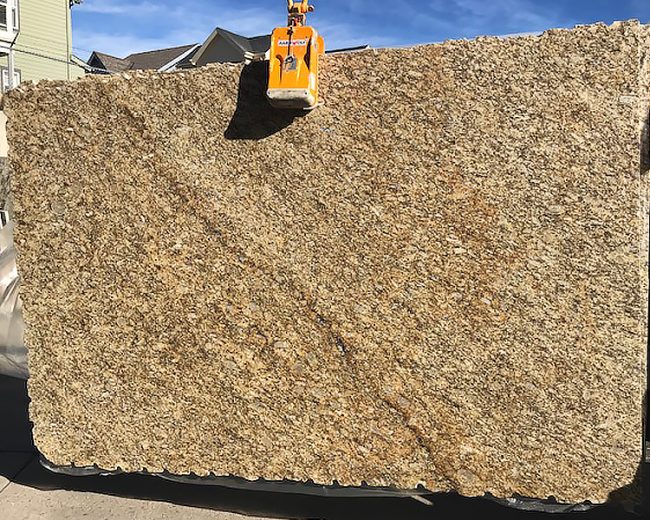
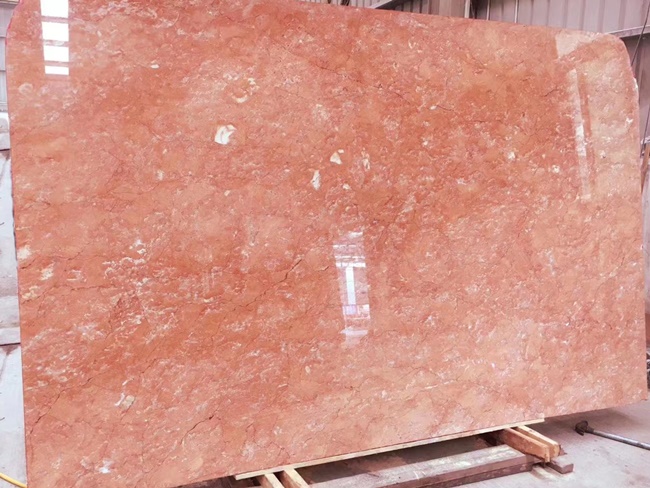
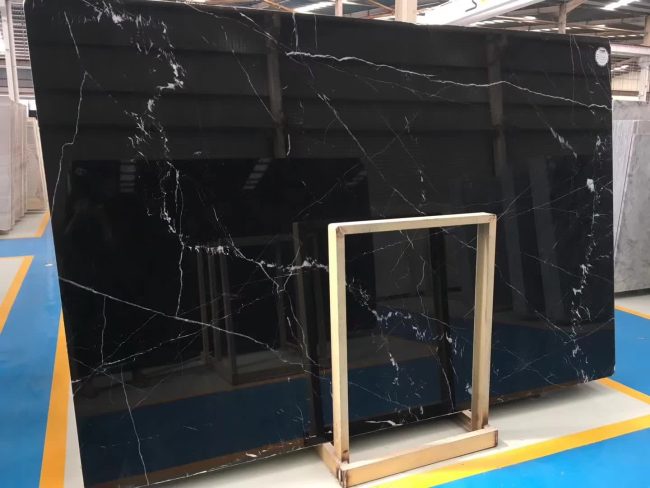
Large plates are onyx plates treated in a basic form. Usually measuring more than 1.2 meters, these objects have a width more than 0.6 meters and a thickness between 16 and 18 mm. These plates are a great choice for use as materials in the manufacturing of luxury decorative surfaces because of their polished look, smooth surface, and consistent hue. Using big plates helps to increase the quality and appeal of decoration as well as help to minimise seam count.
Cutting and processing through pure onyx plates—made of which there is no additional material—forms finished plates. Also referred to as through plates are plates. This kind of board is suitable for wall, floor, and other decorations revealing the natural beauty and noble character of onyx. Moreover, it preserves onyx’s original colour and texture, which define the gem.
Composite board in the building sector is a kind of board produced by onyx mixing with other materials. Regarding thickness, it can be categorised as cross-section composite board with a thickness between 3 and 6 mm and full-body composite board with a thickness of sixteen millimetres. Combining the utilitarian qualities of other materials, such tiles, granite, glass, and so on, with the aesthetic appeal of onyx tile, composite board is a creation. Composite board thus has better physical qualities and a greater spectrum of uses while yet maintaining onyx’s texture.
A “specification board” is a onyx tile board created in exact sizes in line with particular design drawings and building needs. These boards lack any additional processing methods, including edge making, so it is impossible to satisfy specific design and construction standards with them. Using specification boards could help to improve building efficiency, save waste, and ensure uniformity and accuracy of ornamental effects.


The ornamental impact of the final result depends directly on the kind of processing technique applied for onyx building materials. Water jet mosaic is a highly precise cutting technique whereby onyx is sliced using high-pressure water flow. This procedure guarantees that the joints are tight and that the cutting margins are perfect. Perfect for complex patterns and designs, this technique allows one to precisely show the intrinsic texture and colour changes of onyx tile. The Rubik’s cube brick is a further onyx processing technique. One-of- a-kind visual effects are created with this technology by cutting onyx tile into small bits and subsequently recombining those pieces into a range of patterns and forms.


Apart from proving the adaptability and flexibility of onyx in architecture design, the thorough presentation of these onyx product sorts and processes highlights the one-of- a-kind appeal and artistic worth of onyx as a natural material. If onyx is handcrafted with great workmanship and careful design, she might provide modern architecture and interior design an unmatched degree of beauty and texture.
Popular Onyx Styles
The variety of onyx tile variants offers architectural design and decoration a lot of options. The following are thorough explanations of several popular onyx varieties:


Historical Green onyx:
Produced in Pakistan, this onyx is renowned for its yellow-brown texture and deep green backdrop. Ancient green onyx’s texture usually features root lines, and these natural lines give the onyx a certain beauty. This onyx tile is really popular in architectural decoration since it has less fractures and somewhat few holes.
Light Green onyx:
From Pakistan as well, the background colour of light green onyx tile is smaller and displays a cool green. Although it includes yellow-brown and root lines in its texture as well, each piece of light green onyx is especially lovely since it features more cracks and holes than ancient green onyx tile.

Afghan Green onyx
This onyx’s backdrop colour is a staggered light green and white, and the board has less yellow lines, so giving people a fresh and sophisticated impression. It boasts good permeability, less cracks and no holes, fine stone, and good integrity.
Pakyu
Payu’s base colour in the green onyx series is the lightest, most near to light yellow. The stone is fine and has the best permeability; there are fine yellow-brown root lines on its surface; some have flocculent white flowers; more cracks; but, there are no holes.

Bamboo onyx:
Originating from Pakistan, bamboo onyx tile has more green stripes and a base colour of green, yellow-brown, and white horizontal textures. Less vertical yellow-brown root lines and layout fractures exist; instead, more holes show in the yellow-brown root belt. Although the stone is ordinary, the green and white sections have good permeability.
Perfect Silk onyx:
Furthermore made in Pakistan is Golden Silk onyx. Its textures are more reddish-brown; generally, its pattern is reddish-brown and turquoise without any yellow-brown scars. The stone is mediocre, the permeability is weak, and there are black galls in some areas—not holes.
Snow White:
Iran produces this onyx with a milky white base colour, black fissures and little yellow roots. Usually featuring tiny nail-shaped flowers, water patterns or some yellow lines, the stone is clear and transparent.
Golden white onyx:
Iran likewise produces golden white onyx. More yellow lines and patterns abound in the underlying color—milky white, transparent white. The stone is beautiful and translucent; there are more fissures; no holes exist.

White white onyx from Afghanistan
Afghan white onyx has light yellow as its base colour; surface flocculent white flowers; red lines and reddish-brown scars in some areas. The stone is fine and translucent; there are less cracks, no holes.
Agate onyx:
Originally from Mexico, agate onyx has a golden yellow base colour with additional fine white lines, red flower-shaped patterns and black surface textures and scars in some areas black and white. The stone is fine and translucent; there are less cracks, no holes.
onyx, Red Dragon:
Less white lines, no black scars, partially with red flower-like textures and partially with white onyx-free textures, Red Dragon onyx has a lighter base colour than Agate onyx. The stone is finer, there are more dark fractures, no holes, and a strong permeability.
Amber onyx
Amber onyx has feather-like crystals in the light-colored band and white and red stripes on a base colour of pale yellow. Less fractures and no holes exist here. White-based stone is coarse and scarce with strong permeability; the yellow-based stone is more sensitive.


Pineapple onyx :
Made in Mexico, Pineapple onyx has a light yellow base colour, variedly coloured red floral-like textures, and some white floral-like textures. Less cracks and more little holes abound here. Good permeability and coarser than Red Dragon onyx make the stone interesting.
purple onyx:
Made in Iran, Purple onyx has a light purple and pink base colour. Its surface features white flocculent textures and a little portion contains yellow and black dots. Less fractures, no holes, excellent stone, and strong permeability abound here.

Landscape onyx :
Landscape onyx is made in Iran. White and yellow constitute the two basic colours. With dark patches and black-brown root lines in some areas, the layout consists of gray-black floral-like textures intertwined in the form of landscape paintings. The stone is rather fine and permeable; there are less cracks, no holes.
Tiger onyx :
Turkey is the producer of Tiger onyx. The basic colour is either reddish brown or coffee brown. The layout has dot-shaped onyx and vein-shaped onyx; huge yellow-brown specks are locally scattered. The stone is somewhat coarse, the permeability is poor, there are few fractures and more little holes; the local vein-shaped onyx has a sense of permeability.

Golden Blue onyx:
Iran makes Golden Blue onyx. There are a few flocculent flowers, fissures and longitudinal yellow lines in the blue layout, which has a soft and delicate layout texture.
Apart from their colour and texture, these onyx variants have unique application range and expressiveness. From the living room, bathroom, dining room, tea room, to the entrance and corridor, onyx encompasses practically every aspect of house décor. With its distinctive appeal, onyx can accentuate the area with either straight or curved board, line, railing, column, handrail or relief, so adding a sense of luxury and elegance.