



簡単なまとめ
The best sintered stone for feature wall projects in North America is usually the one that combines large-format visual impact, stable surface design, realistic installation logic, and the right finish for the surrounding interior. Buyers should not judge feature wall material by appearance alone. A successful wall depends on panel scale, pattern continuity, substrate conditions, corner handling, lighting response, and how well the surface supports the overall design language of the space.

Feature walls have become a major design tool in North American interiors because they help define space without relying on excessive ornament. In residential projects, a feature wall may anchor a living room, fireplace zone, entry, dining area, or bedroom backdrop. In hospitality and commercial settings, it can create brand atmosphere, guide circulation, and establish a strong visual identity. That is one reason sintered stone has gained so much attention. It gives designers a large-format, controlled, modern surface that can feel architectural rather than decorative.
But choosing the best sintered stone for feature wall in North America requires more than selecting a surface that looks expensive in a sample box. A feature wall is often one of the most visible vertical elements in the room. It is seen from a distance, under changing lighting conditions, and across a wide field of view. That means scale, color balance, finish, and panel layout all matter. A design that looks refined on a small swatch can become too busy, too flat, or too artificial when expanded across a full wall.
For buyers, designers, and developers, sintered stone is attractive because it offers a controlled and durable alternative to many natural and engineered wall materials. It can imitate stone, concrete, metal, terrazzo, or minimalist mineral surfaces while offering dimensional stability and low porosity. Yet not every sintered stone is equally suitable for feature wall use. Some are stronger as countertop surfaces than as vertical cladding aesthetics. Some look impressive in close-up but feel repetitive across large walls. The best choice is the one that works as architecture, not just as product.
Why Sintered Stone Works Well for Feature Walls
Sintered stone is especially useful for feature walls because it supports large-format surface continuity. In North American design, large uninterrupted wall surfaces are associated with premium, calm, and contemporary interiors. Compared with smaller modular tile systems, sintered stone can reduce joint frequency and create a cleaner visual plane. This is particularly effective in modern residential projects, boutique hospitality settings, and commercial interiors that rely on material clarity rather than ornamental layering.
Another advantage is design control. Many buyers want a wall surface with the visual character of marble, limestone, travertine, concrete, or soft mineral plaster, but they also want a product with predictable dimensions and a controlled pattern library. Sintered stone often fills that role well. It can deliver a high-end look while simplifying some aspects of consistency and specification, especially in projects where repeatability matters.
Sintered stone also performs well in vertical applications because it is often chosen more for surface design, panel proportion, and installation logic than for structural spanning. This allows designers to focus on visual composition. A feature wall does not need to behave like a kitchen countertop or stair tread. It needs to read convincingly at wall scale, coordinate with the room, and remain stable over time. That is where sintered stone can be a strong solution when selected correctly.
What North American Buyers Usually Need from a Feature Wall Material
In North America, feature walls are usually expected to do two jobs at once. First, they must create visual focus. Second, they must support a complete interior scheme without overwhelming it. This means buyers are often looking for a surface that feels premium, clean, and architecturally integrated rather than loud. They want something that works well with millwork, flooring, furniture, lighting, fireplace forms, TV walls, or hospitality reception desks.
That leads to several recurring decision factors. One is panel size. Larger panels generally feel more refined because they reduce visual fragmentation. Another is finish. A highly reflective surface may feel too aggressive in some spaces, while an ultra-flat finish may lose depth unless the lighting is strong. Another is pattern rhythm. Stone-look and concrete-look sintered stone panels need the right amount of visual movement for wall scale. Too much activity can make the room feel unstable. Too little can make the feature wall feel like an afterthought.
Installation logic also matters more than many buyers expect. A feature wall is not simply “putting a panel on a wall.” It involves substrate preparation, attachment method, joint planning, outlet integration, edge termination, corner conditions, and sometimes coordination with lighting reveals or fireplace openings. The best material is therefore not only beautiful. It is also realistic to execute cleanly.

How to Evaluate the Best Sintered Stone for Feature Walls
1. Surface Design Should Match Viewing Distance
A feature wall is usually seen from both close and far away. This is different from vanity tops or side tables, where viewers interact mainly at close range. For a feature wall, the pattern should remain convincing at room distance. Marble-look sintered stone with very aggressive veining may feel theatrical up close but too repetitive when repeated across multiple panels. Conversely, a quiet limestone-look surface may feel modest in the sample stage but become highly elegant once installed across a full wall.
2. Panel Size Strongly Affects Perceived Quality
Large-format panels generally create a more premium result because they reduce joint interruption and help the wall read as one architectural surface. Smaller modules can still work, but they often shift the design toward a tile language rather than a true feature wall language. For most North American premium interiors, fewer joints usually mean a stronger visual effect.
3. Finish Must Be Chosen with Lighting in Mind
Feature walls depend heavily on lighting. Matte and honed-looking finishes often work well because they feel calm and sophisticated under mixed residential or hospitality lighting. Polished surfaces can be highly effective when the goal is formality, glamour, or reflective drama, but they need disciplined surroundings. Textured finishes may create strong material depth, but they should be reviewed carefully if the wall will be touched frequently or lit from multiple angles that exaggerate surface shadowing.
4. Color Temperature Should Support the Whole Interior
Warm taupe, greige, off-white, soft beige, charcoal, stone gray, and muted marble-look tones are especially popular in North American feature wall applications because they integrate well with wood, metal, upholstery, and layered lighting. The best sintered stone rarely wins because it is the boldest panel in the catalog. It wins because it makes the whole room feel more resolved.
5. Installation Details Are Part of Material Selection
A feature wall panel that looks strong in a catalog may become less convincing if the project requires awkward corner returns, visible edge trims, complex outlet cutouts, or many transitions to other materials. Good evaluation includes asking how the selected sintered stone will terminate at edges, how joints will align, and whether the panel design still looks elegant once the wall includes real-world interruptions.
Popular Sintered Stone Profiles for Feature Wall Use
| Sintered Stone Profile | 最適な用途 | メリット | 柔らかい模様の白大理石 |
|---|---|---|---|
| Soft Stone-Look Beige or Greige | Residential living rooms, bedrooms, hospitality lounges | Warm, versatile, easy to coordinate with wood and soft lighting | Can feel too quiet if the room lacks contrast |
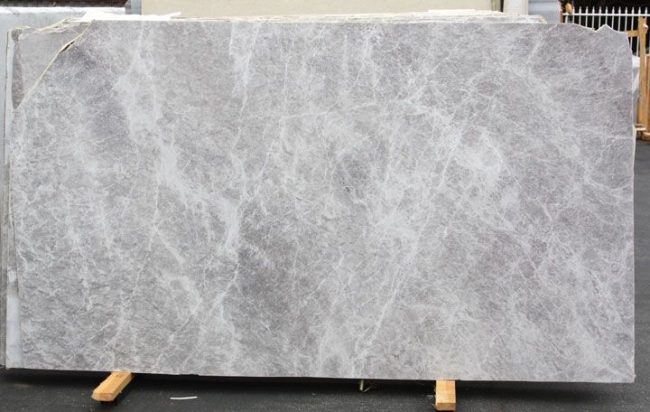
| White or Light Grey Marble-Look | Luxury feature walls, fireplace walls, high-end entry spaces | Premium visual signal, brightens the room, strong design presence | Pattern repetition must be reviewed carefully |
| Concrete-Look Sintered Stone | Modern minimalist homes, retail, commercial interiors | Architectural, clean, contemporary | Needs good lighting to avoid looking flat |
| Dark Charcoal or Graphite Surface | TV walls, hospitality feature zones, dramatic interiors | Strong depth, high contrast, premium mood | May visually compress smaller rooms |
| Textured Mineral or Travertine-Look Surface | Warm modern interiors and layered luxury spaces | Rich tactile effect, calm sophistication | Texture and seam visibility must be managed |

Best Applications by Space Type
In living rooms, the best sintered stone feature wall often acts as a backdrop for a fireplace, media wall, or central seating arrangement. In these cases, the material should carry enough presence to anchor the room but not so much activity that it competes with furniture, art, and lighting. Softer stone-look tones and controlled marble-look panels often work especially well.
In entry areas, buyers can use a stronger statement surface because the wall is usually meant to create first impression. Here, a marble-look or textured mineral-look sintered stone can be highly effective if panel layout is disciplined. In bedrooms, feature walls usually benefit from quieter tones and lower visual contrast. Hospitality spaces can move in either direction depending on brand identity: calmer stone looks for refined luxury, or more dramatic dark panels for strong atmosphere.
In commercial interiors, repeatability and maintenance may matter more than purely emotional aesthetics. That often makes sintered stone particularly attractive because it can support a cleaner specification workflow. Still, the same principle applies: the best wall is the one that works at full interior scale, not the one with the most dramatic product sample.
購入者がよく犯す間違い
The first mistake is selecting only from close-up sample appeal. Feature walls are large surfaces, and wall-scale reading is very different from sample-scale reading. The second mistake is confusing “luxury” with “visual intensity.” A stronger feature wall is not always a busier one. In many premium North American interiors, quieter and better-proportioned surfaces feel more expensive than highly dramatic surfaces.
Another mistake is underestimating joints and edge terminations. Buyers sometimes choose a surface without considering how it will wrap a fireplace, stop at a ceiling bulkhead, align around a TV opening, or terminate at adjacent paint or millwork. These transitions strongly influence whether the final wall feels custom and architectural or simply installed.
A third mistake is ignoring lighting. The same sintered stone panel can look warm, cool, deep, flat, luxurious, or artificial depending on wall washing, downlights, daylight exposure, and surrounding finishes. Reviewing the panel within the actual interior palette is far more useful than judging it alone in a showroom.
購入者が承認前に確認すべきこと
Before approving sintered stone for a feature wall, buyers should review the full panel design, not only a small hand sample. They should confirm the intended wall size, likely joint layout, edge conditions, cutout positions, and whether the selected design still reads convincingly once repeated across the required area. If the wall includes a fireplace, TV recess, floating cabinet, or lighting reveal, those should be considered part of the material decision.
It is also wise to review how the panel looks with the project’s flooring, nearby millwork, fixture metals, upholstery palette, and light temperature. A feature wall does not succeed as an isolated object. It succeeds as a central surface within a composed room. That is why disciplined review before fabrication and installation usually leads to better results.
How Supplier Support Improves Feature Wall Decisions
For buyers sourcing from China, supplier support matters because feature wall selection is not only about choosing an attractive sintered stone design. It also involves checking whether the panel pattern is suitable for the intended wall scale, whether the design can be laid out cleanly around openings and terminations, and whether the project’s visual goals are realistic once installation details are taken into account.
In practical terms, supplier support may include comparing several panel options, identifying which designs are stronger for calm architectural walls versus statement walls, checking how panel size affects joint frequency, and helping buyers avoid surfaces that look impressive in samples but become repetitive or visually unstable across large wall areas. For premium residential, hospitality, and commercial projects, that review process can make a major difference in the final result.
よくあるご質問
1. Is sintered stone a good material for feature walls?
Yes. Sintered stone can be an excellent material for feature walls because it offers large-format visual continuity, controlled surface design, and low porosity. It works especially well in modern residential, hospitality, and commercial interiors.
2. What finish is best for a sintered stone feature wall?
それは空間によって異なります。マットで研磨されたような仕上げは、北米のインテリアにおいて最も安全で多用途な選択肢であることが多い一方、艶出し仕上げは、デザイン方向がより格式高いまたはドラマチックな場合に最適です。.
3. Should I choose marble-look or concrete-look sintered stone?
お部屋によって最適な選択が異なります。大理石調のパネルは通常、より豪華で表情豊かな壁を演出しますが、コンクリート調のパネルは、よりすっきりとしたミニマリストかつ現代的な空間に適しています。.
4. Does panel size matter for feature walls?
はい。大きなパネルは通常、ジョイントの途切れを減らし、壁をタイル張りの集合体ではなく、一つの建築面として見せることで、より高級感のある効果を生み出します。.
5. Is dark sintered stone good for small feature walls?
そうなる場合もありますが、それは部屋の明るさや周囲の素材によって異なります。暗いパネルはしばしば強い奥行き感とドラマチックな印象を生み出しますが、注意深くバランスを取らないと空間をより狭く感じさせることもあります。.
6. What matters more: the panel design or the wall layout?
どちらも重要ですが、壁のレイアウトはしばしば軽視されます。たとえ美しい焼結石のデザインであっても、目地や角、切り抜き、端部の仕上げが適切に計画されていなければ、そのインパクトが損なわれてしまうことがあります。.
最終的な注意点/実用的なポイント
The best sintered stone for a feature wall in North America is the one that reads beautifully at full wall scale, supports clean panel layout, fits the interior palette, and remains realistic to install. Buyers who evaluate feature walls as complete architectural surfaces rather than as product samples usually achieve stronger and more convincing results.