


Szybkie podsumowanie
The best sintered stone for kitchen island projects in North America is usually the surface that balances clean visual impact, daily practicality, slab-scale readability, and full-room design fit. A strong island surface should not only look premium in a sample. It should remain convincing at full island scale, coordinate naturally with cabinetry and flooring, and support the real fabrication details of the project. The best results usually come from selecting the right tone, pattern scale, finish, and edge strategy together.

Kitchen islands now play a central role in North American residential design. In many homes, the island is not just an additional countertop. It is the visual anchor of the kitchen, the social center of everyday life, and the element that connects cooking, dining, and living areas into one composition. Because of that, buyers are no longer choosing surface materials only for performance. They are choosing them for atmosphere, long-term design value, and how the material will shape the feeling of the room.
Sintered stone has become increasingly relevant in this context because it offers a controlled surface language, low porosity, large-format potential, and a wide design range. Buyers can choose from marble-look, stone-look, concrete-look, and quieter mineral-inspired visuals while working with a material category that often feels cleaner and more predictable than many natural stone options. In a market that often wants premium appearance with easier day-to-day confidence, that combination is highly attractive.
Jednak wybór best sintered stone for kitchen island in North America requires more than choosing a fashionable pattern. A kitchen island is a large horizontal object that is seen from several angles and often includes sink cutouts, edge transitions, seating overhangs, or waterfall sides. A design that looks refined on a small board can become repetitive, too graphic, or visually flat when expanded across a full slab. The strongest decisions come from evaluating sintered stone as a complete island system rather than as an isolated product surface.
Dlaczego kamień spiekany dobrze sprawdza się na wyspach kuchennych?
Sintered stone works well for kitchen islands because it combines a premium visual effect with a highly contemporary design language. In North American kitchens, many buyers want the island to feel architectural, clean, and intentional. Sintered stone can support that effect especially well because it often delivers large-format surface continuity and a more disciplined visual field than smaller-pattern countertop categories.
Another major advantage is design control. Many buyers want the atmosphere of marble, limestone, travertine, or concrete, but they also want more consistency in tone and pattern logic. Sintered stone often meets that need. It offers a wide range of visuals that can support modern, transitional, minimalist, and hospitality-inspired kitchens while remaining easier to coordinate across multiple slabs or multiple projects.
Sintered stone is also attractive to buyers who want the island to look premium without turning material maintenance into the main discussion. While fabrication and installation details still matter greatly, the category appeals to those who want a luxury surface that feels practical in modern daily life. That is one reason it is increasingly used in open-plan homes, custom kitchens, and design-led residential developments throughout North America.
What North American Buyers Usually Need from an Island Surface
Most buyers in this market want a kitchen island that feels premium, easy to coordinate, and realistic for everyday use. They usually want the island to become a visual focal point without making the room feel too busy. In family homes, the island often has to support active daily life. In custom luxury homes, it may need to feel more sculptural and design-forward. In both cases, the material should hold together visually from close range and room distance.
That creates several recurring decision factors. One is background tone. Another is pattern movement and repetition. Another is finish. Another is panel or slab scale. Another is whether the design will include waterfall sides, a mitered apron, or a thinner contemporary edge. Buyers also need to think about how the sintered stone works with cabinetry tone, flooring material, lighting direction, and the broader style of the kitchen.
The strongest choices usually come from understanding that the kitchen island is not just a countertop. It is a room-shaping object. The best surface is the one that supports the whole composition rather than drawing attention to itself in the wrong way.

How to Evaluate Sintered Stone for Kitchen Island Use
Ton tła
Background tone is often the first major filter. Soft whites, warm greiges, muted beiges, pale grays, and quieter mineral tones often work especially well in North American kitchens because they integrate naturally with oak, walnut, painted cabinetry, mixed metals, and layered residential palettes. Very bright whites can still be highly effective in cleaner contemporary interiors, but they should be reviewed carefully because an island that is too stark can feel colder than intended.
Skala i powtarzalność wzoru
Because sintered stone often uses designed or printed visuals, repetition must be reviewed carefully. A marble-look surface with strong repeated veining may feel luxurious in a catalog but less convincing across a full island, especially if waterfall sides are included. Broader, calmer, and better-controlled movement usually performs better because it allows the island to feel architectural rather than obviously patterned. Buyers should always ask how the surface will behave at full slab scale, not only whether the sample is attractive.
Wybór wykończenia
Finish strongly influences how the island is perceived. Matte and soft-honed visual finishes often feel contemporary, calm, and more material-driven. More polished looks can create a brighter and more formal effect, especially in luxury-led interiors. The right finish depends on the room’s lighting, the reflectivity of adjacent materials, and how tactile or sculptural the island is meant to feel. In many cases, the best finish is the one that helps the island sit naturally inside the overall room rather than dominate it through glare.
Strategia krawędzi i grubości
Sintered stone should always be reviewed together with edge details. A thin visual profile can create a clean and modern result, especially in minimalist and warm contemporary kitchens. A thicker mitered edge can make the island feel more substantial and more like a monolithic piece of architecture. Neither is automatically better. The strongest choice depends on the cabinet design, the room style, and how much material presence the island should carry.
Layout and Fabrication Logic
A kitchen island is a fabricated object. Buyers should evaluate where seams might occur, how sink cutouts affect the pattern, whether the surface transitions elegantly onto waterfall sides, and whether the selected design still feels balanced after all these interruptions are introduced. The best sintered stone for kitchen island use is not only attractive before fabrication. It remains convincing after the real project details are resolved.

Popular Sintered Stone Profiles for Kitchen Island Projects
| Profile kamienia sinterowanego | Best For | Zalety | Main Watchpoints |
|---|---|---|---|
| Miękka biel w stylu marmuru | Luxury kitchens and bright open-plan homes | Clean, premium, visually expansive | Pattern repetition should be reviewed carefully |
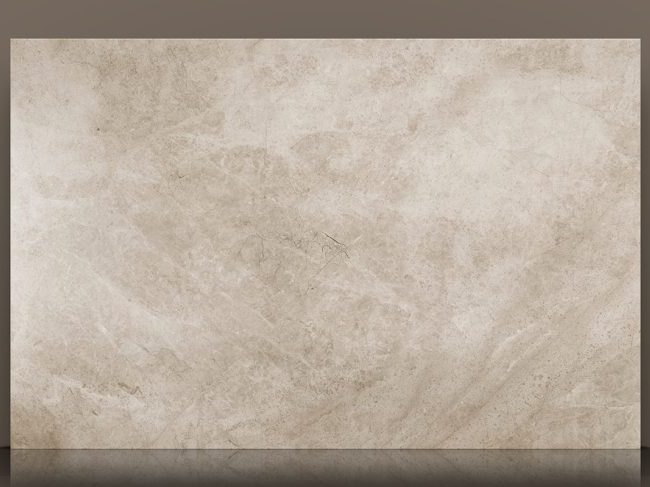
| Ciepła szarość lub beż w stylu kamienia | Residential kitchens with layered warm palettes | Comfortable tone, easy coordination, softer luxury effect | Może wydawać się zbyt cichy, jeśli pomieszczenie brakuje kontrastu |
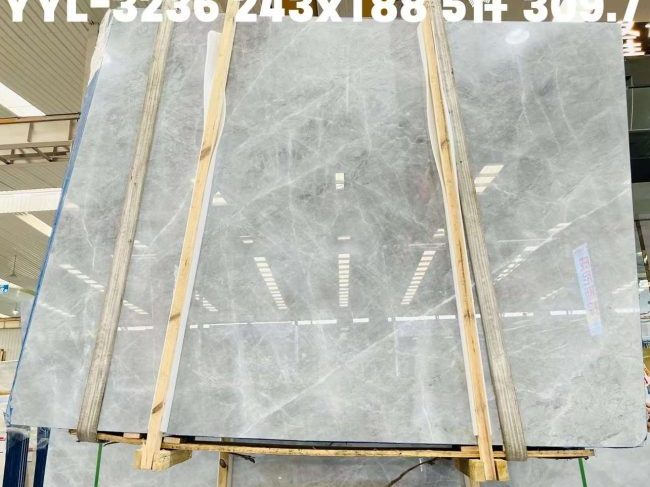
| Jasnoszara powierzchnia architektoniczna | Contemporary and minimalist kitchens | Balanced, modern, clean reading at island scale | May feel too cool without enough warmth elsewhere |
| Wygląd betonu, spiekany kamień | Urban modern and more architectural interiors | Restrained, sophisticated, design-forward | Needs strong composition to avoid flatness |
| Wyrazista powierzchnia z mocnymi żyłami | Custom focal islands and larger luxury kitchens | High identity, strong visual centerpiece effect | Can become repetitive or overactive |
Najlepsze zastosowania według stylu kuchni
In contemporary kitchens, the strongest sintered stone islands are often the calmer ones. These spaces usually benefit from a surface that reinforces clean lines and architectural proportion rather than excessive pattern. Soft marble-look and light stone-look sintered stone often work especially well because they give the room premium character without noise.
In warm modern kitchens, greige, beige, and softer mineral-inspired sintered stone often create the most convincing result. These tones work naturally with oak, walnut, brushed brass, warm whites, and layered lighting. In this kind of interior, the island should usually feel integrated and sculptural rather than aggressively contrasted.
In larger custom kitchens, a stronger statement slab may be appropriate when the island is meant to become the visual centerpiece. This can work very well, but only when the surrounding cabinetry and floor palette remain controlled enough to support it. The strongest statement islands still rely on discipline. They feel deliberate, not overloaded.
Common Mistakes Buyers Make
The first mistake is selecting only from a small sample chip. A kitchen island is a large object, and pattern repetition behaves very differently at full scale than it does in a sample box. The second mistake is choosing a surface that is too active for the room. What feels luxurious in a catalog can become tiring when repeated across a full island and seen every day.
Another common issue is ignoring edge and waterfall logic. Even a strong sintered stone design can lose much of its effect if the pattern transitions poorly or if the thickness strategy feels disconnected from the rest of the kitchen. Buyers also sometimes assume that brighter or more dramatic automatically means more luxurious. In many premium kitchens, true luxury comes from proportion, coordination, and control rather than visual intensity alone.
A final mistake is separating the island from the rest of the room. The best sintered stone for kitchen island use is the one that works with cabinetry, floor, backsplash, lighting, and hardware as one design system. When the island is treated as an isolated object, even expensive material can feel misplaced.
What Buyers Should Review Before Approval
Before approving sintered stone for a kitchen island project, buyers should review a large slab view or full panel representation whenever possible. They should confirm the base tone, pattern scale, likely seam conditions, sink layout, edge profile, and whether the design remains convincing across the real island dimensions. If the project includes waterfall sides or a thicker mitered edge, those elements should be reviewed together with the slab rather than as later fabrication questions.
It is also important to compare the selected surface directly with cabinetry finish, flooring tone, metal hardware, and actual project lighting. Sintered stone can shift in character depending on context. A surface that looks excellent in a showroom may perform very differently in the finished kitchen. The more these relationships are studied before fabrication, the stronger the final island usually becomes.

Jak wsparcie dostawcy poprawia decyzje dotyczące wysp
For buyers sourcing from China, supplier support matters because choosing sintered stone for kitchen island use is not simply about selecting a visually attractive large-format surface. It also involves checking whether the pattern remains believable at island scale, whether the edge and waterfall details work cleanly, and whether the chosen design supports the room’s intended atmosphere. A capable supplier helps make these decisions more structured before production begins.
In practical terms, this may include comparing several sintered stone options, identifying which surfaces are better for calmer architectural kitchens versus stronger focal islands, and helping buyers avoid products that perform well in small samples but less well on full islands. For premium residential projects, this review process can significantly improve the final result.
FAQ
1. Is sintered stone a good material for kitchen islands?
Tak. Kamień spiekany może być doskonałym materiałem na wyspę kuchenną, ponieważ zapewnia wizualną ciągłość w dużych formatach, niską porowatość oraz szeroką swobodę projektowania dla wyższej klasy kuchni mieszkalnych.
2. What sintered stone color works best for kitchen islands in North America?
Miękkie białe, ciepłe szaro-beżowe, stonowane beże, bladym szarym oraz powierzchnie o kontrolowanym wyglądzie marmuru lub kamienia są często najbardziej uniwersalne, ponieważ doskonale łączą się z typowymi paletami kuchennymi w Ameryce Północnej.
3. Should sintered stone kitchen islands be matte or polished?
Oba rozwiązania mogą być odpowiednie. Matowe wykończenia często wydają się spokojniejsze i bardziej nowoczesne, podczas gdy połyskujące wykończenia mogą tworzyć jaśniejszy i bardziej formalny efekt. Najlepszy wybór zależy od stylu kuchni i oświetlenia.
4. Is marble-look sintered stone a good option for kitchen islands?
Tak, ale należy go uważnie przejrzeć pod kątem powtarzalności i pełnej czytelności. Szersze, bardziej kontrolowane wzory przypominające marmur zazwyczaj sprawdzają się lepiej niż bardzo graficzne, powtarzające się wzory.
5. What matters more for an island: slab design or edge layout?
Oba aspekty są ważne, ale krawędzie i układ wykonania często są niedoceniane. Nawet solidna płytka może stracić na efekcie, jeśli szwy, przejścia typu wodospad oraz warunki krawędzi nie zostaną odpowiednio zaplanowane.
6. Can sintered stone create a luxury kitchen island look?
Tak. Jeśli zostanie odpowiednio dobrane, kamień spieczony może stworzyć wyspę o wysokim standardzie i luksusowym wyglądzie, zwłaszcza w kuchniach, w których ceni się ciągłość dużych formatów, nowoczesny styl oraz kontrolę nad designem.
Final Note / Practical Takeaway
The best sintered stone for kitchen island projects in North America is the surface that reads convincingly at full island scale, supports clean fabrication, and strengthens the complete kitchen palette. Buyers who evaluate tone, repetition, finish, and layout together usually achieve more refined and more durable results.