


Elevator Lobby and Cab Marble Maintenance: A Professional Guide
Direct Answer: Professional elevator lobby and cab marble maintenance starts with identifying the exact stone and finish, preventing grit and water damage, using approved non-acidic cleaning methods, and separating routine cleaning from specialist stain removal and restoration. Elevator equipment, thresholds, joints and passenger safety require additional controls beyond ordinary marble floor care.
Why Elevator Lobbies and Elevator Cabs Need Different Care
For elevator lobby and cab marble maintenance, document the differences in foot traffic, contact points and cleaning access before choosing any treatment.
Periodic elevator lobby and cab marble maintenance reviews should identify recurring water ingress or grit before surface damage spreads.
Elevator lobby and cab marble maintenance specifications should name the approved cleaner and application method, not merely request a “stone-safe” product.

Elevator lobby and cab marble maintenance is a planned process for keeping stone floors, thresholds, wall panels, skirting and decorative trims clean, safe and visually consistent. Professionals begin by identifying the actual stone and finish, then match cleaning chemistry, equipment, inspection frequency and restoration methods to the location and its risks.
These surfaces share an architectural design language but face very different loads. Lobby floors receive sand, rainwater, rolling luggage, trolley wheels and repeated foot traffic. Elevator cab walls receive fingerprints, hand contact, bag scuffs and impacts from carts. Door sills and thresholds collect grit in narrow joints; decorative stone near stainless steel may be exposed to metal-cleaning products. A single aggressive cleaning procedure can therefore create several types of damage at once.
Riepilogo rapido
Identify the material and finish first. Remove abrasive grit before wet cleaning. Use a stone-compatible, pH-neutral cleaner at its specified dilution, control water near elevator equipment, investigate stains before treatment, and reserve honing or polishing for trained stone-restoration specialists. Keep documented inspection and maintenance records.
Start With a Material and Finish Survey
An elevator lobby and cab marble maintenance survey should identify the stone, finish, existing repairs and any adjacent metal or glass that cleaning products could affect.
An elevator lobby and cab marble maintenance checklist is most useful when it names specific inspection locations and responsible teams.
For consistent elevator lobby and cab marble maintenance, agree on a sample area before changing sheen or performing any localized repair.

Before selecting any chemical, a maintenance supervisor should confirm whether the visible panel is natural marble, engineered stone, porcelain, glass, metal or a composite. Not every marble-look surface is marble. A stone inventory should record the supplier, material name where known, installation date, finish, sealant history, repair history and exposure conditions.
Marble commonly contains calcite or other acid-sensitive minerals. Acidic cleaners can chemically etch its surface, leaving a dull patch that cannot be removed simply by washing. A honed finish and a polished finish will also show wear differently. Test any proposed product in an inconspicuous area and follow the cleaner, stone and sealer manufacturers’ instructions.
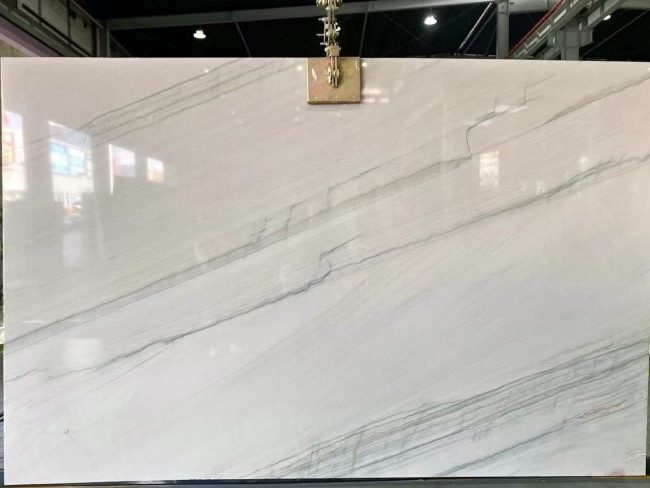
For new projects, material selection should consider future maintenance as early as design approval. For example, Wyndham Grey Marble for hotel and corridor interiors is presented as an option for custom architectural stonework; its suitability for a particular elevator installation still requires project-specific review.
Control Grit, Moisture and Entry-Point Damage
Effective elevator lobby and cab marble maintenance begins outside the elevator: entrance mats, dry grit removal and rapid response to tracked-in moisture reduce avoidable abrasion.
An elevator lobby and cab marble maintenance handover should identify who can authorize restoration and who is responsible for elevator shutdown or access.
Prevention is more effective than repeated restoration. Install and maintain appropriate entrance matting upstream of the elevator lobby so grit and moisture are removed before reaching polished stone. Inspect mats for curling edges, trapped debris and insufficient coverage. In wet weather, increase cleaning frequency rather than leaving standing water on the floor.
Dry dust-mop or vacuum with non-scratching attachments before damp cleaning. Sand trapped under a mop or polishing pad can scratch the finish. Use a clean microfiber mop and a manufacturer-approved neutral stone cleaner; avoid flooding the floor. Remove cleaning solution promptly, rinse only if directed, and dry the area so residue does not attract dirt or create a slip concern.
At elevator entrances, never pour liquid into door tracks, sill channels, joints or equipment openings. Coordinate any threshold cleaning with the elevator maintenance contractor and the building’s safety procedures. Do not dismantle or obstruct elevator components.
Clean Marble Elevator Cab Walls Without Damaging Adjacent Finishes
In elevator lobby and cab marble maintenance, wall panels need a different routine from floors: use minimal moisture and prevent liquid from entering panel joints or equipment interfaces.
Good elevator lobby and cab marble maintenance avoids acidic descalers, abrasive pads and uncontrolled water around doors and thresholds.
Cab interiors have confined space, reflective lighting and many material transitions. A small chemical streak may be more noticeable than it would be on a large lobby wall. Start by removing loose dust with a clean, soft cloth. Wipe stone panels with a lightly dampened microfiber cloth and an approved stone cleaner, working in manageable sections. Dry with a separate cloth to reduce spotting.
Protect stainless-steel trims, mirror edges, lighting, control panels, ventilation grilles and floor joints from spray and runoff. Apply cleaning product to the cloth rather than directly spraying electrical controls or vertical surfaces. Never use abrasive pads, scouring powder, acidic bathroom cleaners or unapproved metal polish on marble. Where a cab panel is mechanically fixed or bonded, report movement, loose joints and damaged anchors to qualified personnel instead of attempting cosmetic repair.
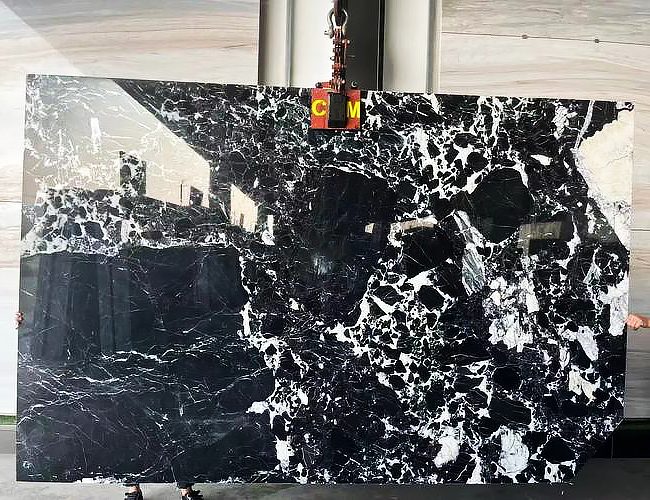
Dark decorative stones can show fingerprints and streaking readily. A designer considering Verde Alpi Marble for decorative wall cladding should review sample appearance under actual cab lighting and agree on cleaning expectations before procurement.
Use a Condition-Based Maintenance Schedule
A written elevator lobby and cab marble maintenance schedule should reflect traffic and observed wear rather than promise the same polishing frequency for every property.
The elevator lobby and cab marble maintenance plan should include inspection of high-contact corners, not just broad visible surfaces.
Cleaning intervals should respond to traffic, weather, finish and observed soil rather than an arbitrary universal rule. A quiet residential elevator and a busy hotel elevator may require different daily routines. Record the starting condition and adjust frequency using actual inspection results.
| Inspection / Task | Suggested Trigger | Professional Response |
| Loose grit and footprints | Daily or as traffic requires | Dust removal, targeted neutral cleaning, drying |
| Cab fingerprints and scuffs | Daily visual inspection | Gentle spot cleaning; check adjacent metals |
| Stains, etching or dull traffic lanes | When first observed | Document and diagnose before treatment |
| Sealer or finish condition | Periodic specialist review | Evaluate absorption, wear and compatibility |
| Joint or panel movement | Any visible change | Escalate to installer / engineer / elevator contractor |
These are planning triggers, not mandated service intervals. Follow local safety rules, site risk assessments and the stone supplier’s written care requirements.
Distinguish Staining, Etching, Scratching and Wear
Accurate elevator lobby and cab marble maintenance records distinguish chemical etching from scratches, embedded dirt and true staining before corrective work is authorized.
Elevator lobby and cab marble maintenance quality checks should compare the cleaned area against the approved reference finish under normal lighting.
Four defects can look similar in photographs but require different responses. Macchie is unwanted material absorbed into the stone; the treatment depends on whether the source is oil, water-borne contamination, rust or something else. Incisione is chemical alteration of an acid-sensitive stone surface and typically appears as a dull mark. Scratching is mechanical abrasion, while traffic wear is progressive loss of finish in repeated walking paths.
Do not apply a generic stain remover to every dull patch. Photograph the defect under consistent lighting, note when it appeared, identify possible exposure and test the proposed remedy in a discreet location. Poultices, stain extraction and abrasive restoration should be chosen by a qualified stone-care professional after identifying the contaminant and the material. Some stains cannot be fully removed, and aggressive treatment may worsen the appearance.
When Is Honing, Polishing or Sealing Appropriate?
For elevator lobby and cab marble maintenance, professional refinishing should follow a test area, an approved finish target and clear boundaries around elevator equipment.
If elevator lobby and cab marble maintenance involves moving a stone panel, use a qualified handling team and a lift plan suitable for the actual piece.
Professional honing may be appropriate for localized etching or uneven surface wear when the stone thickness, finish and installation allow it. Polishing can then restore a specified sheen, but the result must match adjacent panels. A high-gloss patch surrounded by naturally worn stone can look worse than the original mark. For larger areas, a planned restoration zone may be preferable to isolated spot work.
Sealing is not the same as polishing. An impregnating sealer may reduce absorption of certain contaminants, but it does not make marble stain-proof, acid-proof or scratch-proof. Some stones or surface treatments may not benefit from the same sealer. Verify compatibility, expected appearance, drying conditions and any restrictions imposed by the installer.
In elevator cabs, mechanical polishing equipment must be assessed for clearance, dust containment, vibration and protection of controls. Avoid performing wet restoration next to electrical equipment without a site-approved method and coordination with the elevator contractor.
Protect Edges, Joints, Door Sills and Replacement Panels
When planning elevator lobby and cab marble maintenance, assess damaged edges and joints separately from ordinary surface soil; replacement work requires specialist coordination.
After any elevator lobby and cab marble maintenance intervention, photograph the result and record any remaining defect for follow-up.
Equipment photographs in this section illustrate specialist stone handling during replacement work, not routine elevator maintenance. Lifting equipment must be selected, rated, inspected and operated by qualified personnel under an approved lifting plan; never use it inside an operating elevator without the required contractor coordination.


Edges and corners are common impact points. Luggage, cleaning carts and delivery equipment can chip exposed stone at the cab entrance, lower wall or lobby threshold. Use appropriate protective corner details and operational procedures, not thick improvised guards that obstruct door movement or accessibility clearances.
Inspect silicone joints, movement joints, metal trims and adjacent substrates for gaps or moisture paths. A persistent dark patch at a joint may indicate a moisture source behind the finish, not a surface-cleaning problem. Do not fill movement joints with rigid material or assume that a cosmetic sealant repair solves an underlying water issue.
For future repairs, maintain a record of original slab photographs, finish approval, panel sizes, fabrication drawings and any retained replacement pieces. Replacement marble may differ naturally from the installed batch; compare actual material under the same lighting before approving a repair.
What Facility Teams Should Record After Every Inspection
Photographs, inspection dates and treatment logs make elevator lobby and cab marble maintenance decisions easier to audit and help avoid repeated inappropriate cleaning.
Elevator lobby and cab marble maintenance budgets should separate daily cleaning consumables from specialist stone restoration.

A useful maintenance record is short but traceable. Capture the zone, date, inspector, material and finish, visible condition, suspected cause, cleaning product and dilution, action taken, and follow-up owner. Use consistent photographs of the same viewpoint for high-visibility lobby walls and floor traffic lanes.
Site Inspection Checklist
- Confirm stone type and finish against the material schedule.
- Remove grit before any wet process.
- Check for slip hazards, moisture and door-track contamination.
- Record stains separately from etching and abrasion.
- Inspect edges, joints, anchors and loose panels.
- Approve restoration trials before large-area treatment.
- Log completed work and review frequency after traffic changes.
For procurement teams, maintenance planning should begin before handover. HRST’s guide to choosing marble for hotel lobby projects discusses traffic, finish selection, wall-panel planning and maintenance expectations that also matter near elevator banks.
Coordinate Cleaning With Building Operations and Elevator Safety
Elevator lobby and cab marble maintenance must be coordinated with the building operator so cleaning, protection and any panel replacement do not compromise elevator safety.
For elevator lobby and cab marble maintenance, retain the stone manufacturer’s care guidance with the facility handover records.

Stone care cannot override building safety. Schedule cleaning to maintain a safe passenger route, use appropriate wet-floor controls, and prevent cleaning carts from blocking accessible paths. Coordinate any work affecting the car, door sill or equipment enclosure with the licensed elevator service provider. Staff should not place water, polishing slurry or loose tools near elevator mechanisms.
For commercial properties, request a method statement from specialist contractors covering chemicals, ventilation, dust, wastewater, electrical interfaces, noise, access, protection of adjacent finishes and final acceptance. Where the elevator is in service, the plan must account for passenger movement; where it is taken out of service, follow the building’s approved isolation and notification procedure.
Domande frequenti
Can marble elevator lobby floors be cleaned every day?
Yes, when daily cleaning uses appropriate dust removal and a compatible neutral stone cleaner. Adjust frequency to traffic and weather, and avoid over-wetting.
Is vinegar safe for marble in an elevator lobby?
No. Vinegar is acidic and can etch many marble surfaces. Use a product specifically approved for the installed stone and finish.
Why does polished marble become dull near elevator doors?
Tracked grit, repeated foot traffic, acidic spills or unsuitable cleaning chemicals may contribute. Diagnose the cause before choosing restoration.
Does sealing make elevator cab marble stain-proof?
No. A compatible impregnating sealer may reduce absorption, but it does not prevent every stain or protect against acid etching and scratches.
Can a cleaning team polish marble inside an elevator cab?
Only with an approved method and appropriately trained specialists. Confined space, adjacent electrical controls and vibration require additional precautions.
How should fingerprints be removed from marble wall panels?
Use a clean soft microfiber cloth lightly dampened with an approved stone cleaner, then dry the surface. Keep spray away from controls and metal trims.
What should be done about a chipped marble door threshold?
Protect the area, document the damage and ask a qualified stone specialist and elevator contractor to assess the repair without interfering with the door system.
How often should marble be professionally restored?
There is no universal interval. Restoration should follow condition surveys, traffic exposure, finish requirements and a documented maintenance plan.
Practical Takeaway: Maintain the Stone and the Elevator as One System
The best elevator lobby and cab marble maintenance plan combines material identification, gentle routine cleaning, rapid defect diagnosis, safe coordination with elevator operations and documented professional restoration. For new stone projects, specify finish, protection, replacement strategy and care instructions before handover—not after the first visible damage.