




Alex: “Wow, Jamie, your kitchen remodel looks incredible! That new bar counter really makes the space pop.”
Jamie: “Thanks, Alex. I went from a cramped 35-inch standard island to a bespoke 42-inch bar counter with under-counter storage and a waterfall edge.”
Alex: “Can you walk me through the before-and-after details? I’m curious how a custom bar counter can truly transform both form and function.”
Let’s dive into bar design, height, materials, size and aesthetics.
Materials & Construction
Stone & Engineered Surfaces
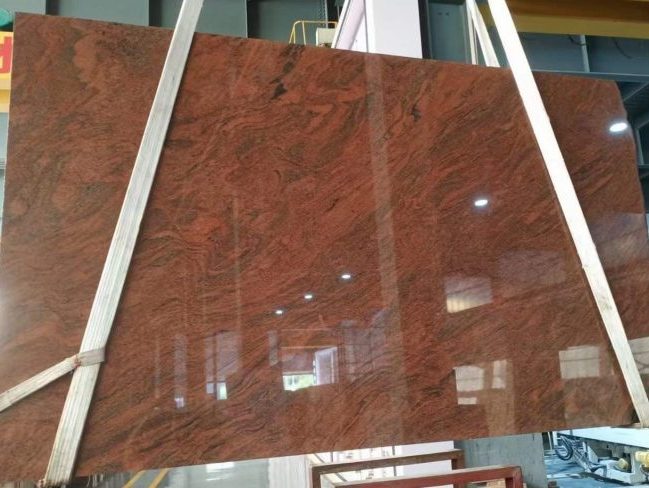
Natural Marble/Granite: Timeless veining and stone strength, ideal for high-end modern bar counter design.
Quartz & Engineered Stone: porous, low-maintenance surfaces available in a broader palette; resistant to stains and scratches.
Sustainable Composites
Recycled Glass & Resin: Upcycled components bonded into slabs, demonstrating sustainability without sacrificing luxury.
FSC-Certified Timber & Bamboo: Warm, tactile underpinnings that pair well with stone overlays.
Structural Engineering
Cantilevered Overhangs: Custom steel or reinforced wood frames allow waterfall edges without visible support.
Modular Panels: Prefabricated units minimize on-site waste and speed up installation.

Functionality & Practicality
Beyond appearance, the modern bar counter for home or restaurant must perform:
Optimized Dimensions
Standard Depth & Width: Typical overhang depth of 12″–16″ and usable countertop depth of 18″–30″ for workspace and seating.
Bar Counter Height: 41″–43″ from floor to surface, harmonizing with 28″–33″ bar stools for comfortable seating.
Storage & Utility
Under-Counter Drawers & Shelves: Maximize space for glassware, bottles, and small appliances.
Integrated Power & USB Ports: Support blenders, laptops, and charging stations—essential in today’s multifunctional bar counter table setups.
Durability Features
Scratch-Resistant Coatings: Proprietary sealants guard against daily wear and tear.
Watertight Joints: Seamless installations protect cabinetry from spills and splashes.

Aesthetics & Decoration
A bar counter’s visual impact can redefine an entire room:
Color & Contrast
Monochrome Schemes: Black-and-white granite or marble bar counters remain a perennial favorite.
Bold Accents: Jewel-tone resin inlays or metallic detailing for a luxe statement.
Textures & Patterns
Waterfall Edges: Continuous slabs that flow over the side, creating a sculptural effect.
Bookmatched Stone: Symmetrical veining that reads like mirrored artwork.
Biophilic & Mixed Materials
Living Wall Backdrops: Greenery adds a refreshing contrast to hard surfaces.
Wood-and-Stone Pairings: Warm timber contrasts with cold stone for balanced modern bar counter design.

Ergonomics & Comfort
Long conversations and cocktail sessions require thoughtful ergonomics:
Optimal Heights & Clearances
Bar Top Height: 42″–45″ recommended for bartender efficiency and guest comfort.
Footrest Placement: Located 8″–12″ above floor level for posture support.
Seating Compatibility
Bar Stool Dimensions: Seats of 28″–32″ height to complement bar counters for restaurant or home use.
Spacing Between Stools: 24″–30″ center‑to‑center to accommodate elbows and mobility.
Edge Profiles
Rounded Corners: Reduce pressure points on wrists and thighs.
Comfort Cove Underside: Contoured recesses for knees when seated.
Customization & Sustainability
Personalization and green practices drive today’s custom bar counter markets:
Tailored Layouts
L‑, U‑, and Island Configurations: Adapt to room footprints and traffic flow.
Adjustable Heights: Sections at 36″ prep height and 42″ bar height for multitasking.
Eco-Conscious Materials
Reclaimed Wood Elements: Second-life timber adds character and reduces deforestation.
Low-VOC Finishes: Ensure indoor air quality.
Lifecycle Services
Modular Replacement Panels: Allow surface refreshes without full replacement.
After-Sales Maintenance Plans: Sealant re-application, scratch repair, and seasonal inspections.
Custom options and sustainable sourcing not only reflect individual taste but also address environmental responsibility.
Trendy w projektowaniu
Industry Trends
Biophilic Integration: Natural materials and living elements are moving from luxury homes into mainstream hospitality.
Tech-Enabled Bars: Smart lighting, embedded speakers, and touch-activated dispensers redefine functionality.
Trendy projektantów
Krzywe i organiczne formy: płynne kształty kontuarów barowych, które zacierają granice między meblami a sztuką.
Opowiadanie historii z mieszanymi materiałami: kontrastujące metale, kamienie i drewna w tej samej instalacji.

Niektóre możliwe problemy
Jaka jest idealna wysokość kontuaru barowego do użytku domowego?
Większość ekspertów zaleca 41–43 cali dla ogólnego komfortu siedzenia i kompatybilności ze standardowymi stołkami barowymi
Ile powinienem przeznaczyć na indywidualny kontuar barowy z kwarcu?
Ceny znacznie różnią się od $100 do $300 za stopy kwadratowe, w zależności od grubości, detali krawędzi i złożoności montażu.
Czy mogę zamontować stół kontuarowy barowy na zewnątrz?
Tak – wybierz materiały odporne na promieniowanie UV i warunki atmosferyczne, takie jak obrabiany kamień czy aluminium klasy morskiej.
Jak utrzymać marmurowy kontuar barowy, aby zapobiec powstawaniu plam?
Używaj środka czyszczącego o neutralnym pH, co roku ponownie zabezpieczaj powierzchnię i natychmiast usuwaj rozlane płyny, aby zachować wykończenie.
Czy modułowe kontuary barowe są dobrym długoterminowym inwestycją?
Modułowe panele umożliwiają łatwe aktualizacje i naprawy, co sprawia, że są opłacalne przez dziesiątki lat.
Wybierz Century Star, aby znaleźć swój kontuar barowy
Century Star Zyskał doskonałą reputację w wysokiej jakości inżynierii kamienia. Nasze projekty błyszczą wyszukaną ręczną robotą, najwyższej jakości materiałami oraz idealnym połączeniem trwałości fizycznej i atrakcyjności estetycznej. Ustalamy złoty standard branży dzięki starannemu różnicowaniu jakości dla różnych zastosowań i solidnej obsłudze posprzedażowej. Ta doskonałość zapewniła nam długotrwałe partnerstwa z prominentnymi klientami, w tym biznesmenami z ZEA.
Od naszego wstępnej rozmowy po szczegółowy podział przed i po – indywidualne kontuary barowe wyróżniają się jako przekształcające punkty centralne – łącząc materiały, ergonomię i zrównoważenie w spójny projekt. Niezależnie od tego, czy szukasz kontuaru barowego do domowych imprez czy do restauracji z dużym ruchem, odpowiednie rozwiązanie na zamówienie podnosi zarówno formę, jak i funkcjonalność.
