


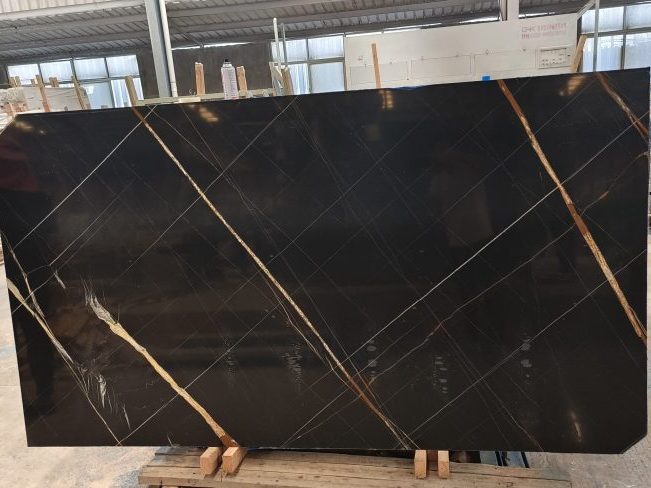
ملخص سريع: Before ordering Grey Marble for a Feature Wall, procurement teams should confirm the actual numbered slabs, acceptable grey color range, vein direction, natural fissures and repairs, slab dimensions, required gross quantity, proposed panel layout, visible joints, openings, edge details, attachment-system interfaces, fabrication capability, quality-control checkpoints, packaging method, installation access, and delivery scope. Grey marbles such as Tundra Grey, Pietra Grey, Bardiglio, and Grigio Carnico can produce very different architectural effects even though they belong to the same broad color family. The strongest purchasing decision is therefore based on the exact slabs and finished wall package rather than a sample, commercial stone name, or square-meter price alone.
Why Buyers Misjudge Suppliers Before Ordering Grey Marble
Grey Marble often appears easier to specify than strongly patterned white or multicolor natural stone. A designer selects a medium-grey or dark-grey reference, procurement receives a sample, and several suppliers quote what seems to be a comparable material.
The difficulty begins when the project moves from a small sample to a full-height architectural wall. Grey stone can vary in background tone, vein density, cloudy movement, calcite lines, fossil content, natural fissures, repaired areas, and surface finish. A sample measuring only a few hundred millimeters cannot show how these characteristics will appear across several square meters.
Feature walls also expose differences that may be less obvious in smaller applications. Adjacent panels are viewed together, vertical joints can interrupt movement, and lighting across a tall wall can amplify differences in color or surface sheen.
The supplier therefore has to do more than supply Grey Marble. The supplier or fabrication team must help convert selected slabs into a coordinated panel system.
“Grey Marble” Is Not a Complete Purchase Specification
The phrase Grey Marble includes a broad range of commercial materials. Tundra Grey may present a lighter, cloudy grey field with subtle movement. Pietra Grey generally creates a darker and more graphic architectural appearance. Bardiglio varieties can offer blue-grey to smoky grey movement, while Grigio Carnico may contain stronger white mineral veining against a darker background.
These names are useful sourcing references, but the actual slabs still need approval. Commercial stone naming should never replace inspection of the material that will actually be cut for the project.
Quarry and Batch Variation Matter
Natural stone is not manufactured to a fixed printed pattern. Material from different blocks or production batches may vary. Procurement teams should therefore avoid approving one sample or one attractive slab and assuming all remaining material will look the same.
The purchasing record should define an acceptable visual range and identify the actual slabs reserved for the project.
Design Logic: Confirm the Wall Composition Before Ordering
Before stone quantity is finalized, the procurement team should understand the complete wall elevation. The supplier should receive drawings showing finished wall width and height, ceiling relationship, adjoining finishes, floor level, skirting, furniture or reception elements, television or artwork openings, fireplace zones where applicable, electrical outlets, switches, lighting positions, recessed niches, concealed doors, and external returns.
This information affects both the visual layout and material consumption.
Confirm the Desired Visual Direction
Grey Marble can be arranged in several ways. A project may require balanced natural movement, directional vein flow, mirrored bookmatching, or a quieter panel-to-panel composition.
The intended strategy should be confirmed before slab cutting. Strict bookmatching can require a specific slab sequence and may increase material consumption, while a natural-flow layout can sometimes achieve better yield.
Identify the Main Viewing Area
The highest-value slab sections should normally be allocated to the most visible areas. On a hotel lobby wall this may be the central elevation. In a villa living room it may be the area behind the television or artwork. In a reception environment it may be the portion directly behind the desk.
Lower-priority areas, returns, or less visible panels can often use quieter sections from the same slab group.
Design teams still evaluating material directions can review CENTURY STAR’s Grey Marble options for Feature Wall applications before the final purchasing specification is issued.

Material Logic: Confirm the Actual Grey Marble Slabs
1. Confirm the Grey Background Range
The buyer should define whether the project requires pale grey, medium grey, blue-grey, charcoal grey, warm grey, or another specific direction. The specification should also identify unacceptable extremes.
For example, a project designed around a cool medium-grey wall may not accept slabs that become visibly beige or brown in sections.
2. Confirm Vein Density and Direction
Some Grey Marbles contain delicate white lines, while others have broad contrasting veins or cloudy mineral movement. Procurement teams should review whether the selected slab group can produce the intended wall rhythm.
Directional slabs should be photographed consistently so that the design team can understand how the movement will continue through adjacent panels.
3. Confirm Natural Fissures and Repaired Areas
Natural fissures, calcite veins, filled areas, resin treatment, and mesh backing may occur in marble slab production. These are not automatically unacceptable, but their location matters.
A repaired area that is visually acceptable in the center of a large panel may be less suitable beside an exposed edge, anchor preparation, narrow return, or electrical opening.
4. Confirm Slab Dimensions and Usable Area
Nominal slab area and usable project area are different. The cutting plan may need to avoid damaged edges, visually unacceptable sections, natural weak zones, or portions that conflict with the approved vein layout.
Procurement teams should obtain the actual length and width of every proposed slab and compare them with the finished panel schedule.
5. Confirm Finish
Polished Grey Marble can create stronger contrast, deeper color, and more reflected light. Honed finishes can provide a softer architectural appearance with reduced reflection.
The finish should be confirmed using a representative sample from the actual material where possible. Different finishing processes can change how dark the grey background appears.
Supplier Logic: Confirm the Supplier Before Paying the Deposit
Confirm Current Inventory
Request recent photographs or video of the exact numbered slabs. Each proposed slab should have dimensions, thickness, finish, and an identification reference.
Old project images and catalog photographs are useful for understanding experience but should not be accepted as current inventory evidence.
Confirm Material Reservation
The purchasing process should define when the approved slabs become reserved. Once approved material is allocated to the project, substitutions should require buyer confirmation.
This is particularly important where the design depends on several visually coordinated slabs.
Confirm Who Will Fabricate the Panels
The company selling the marble may not necessarily perform the cutting. Procurement teams should know which factory will fabricate the panels, where inspection will occur, and which party is responsible for dimensional accuracy and final QC.
Confirm Shop-Drawing Responsibility
A supplier working on custom wall panels should be able to translate project information into controlled fabrication drawings. The drawings should show finished panel sizes, joints, orientation, openings, visible returns, edge treatment, fixing-related preparation where specified, and individual piece numbers.
Confirm the Quotation Scope
The commercial offer should clearly define the stone, gross material quantity, fabrication, special layout work, openings, edge work, reinforcement where required, dry layout, packing, freight, insurance, and delivery scope.
A low material price has limited value when major fabrication or packaging costs appear later.

Factory Logic: Confirm the Factory Can Produce the Wall
Large-Panel Cutting Capability
The factory should be able to cut the required panel sizes accurately and handle them without excessive movement or edge impact. Production equipment may include bridge saws, CNC machinery, waterjet systems, drilling equipment, edge-processing equipment, and suitable lifting systems.
Vein Layout and Bookmatch Capability
For a visually controlled feature wall, the factory should understand slab sequence and panel orientation. A digital layout or physical dry layout should be available for approval before packing.
Bookmatching should not be assumed automatically. The supplier needs suitable slab relationships and enough gross material to achieve the approved effect.
Opening Fabrication Capability
Feature walls may include electrical boxes, television connections, access openings, fireplace interfaces, wall lights, ventilation components, or concealed mounting points.
The factory should review these openings before cutting because large openings or clusters of penetrations can produce narrow stone sections.
Visible Edge and Return Capability
External corners, niches, doorway returns, recessed openings, and wall ends may require finished edges, mitered returns, or another architectural detail.
The selected edge treatment should be shown on the approved drawing rather than decided after panels have already been cut.
Quality Control Logic: Confirm the Inspection Standard Before Production
1. Slab Approval
Confirm the numbered slabs, dimensions, thickness, finish, color range, veins, natural fissures, resin, repairs, mesh backing where applicable, and existing surface or edge damage.
2. Cutting-Layout Approval
Before cutting, confirm which area of each slab will become each wall panel. The layout should show panel numbers, orientation, joints, openings, returns, focal areas, and spare pieces.
3. الفحص الأبعادي
After fabrication, check panel length, width, thickness, squareness, opening positions, hole dimensions, edge profiles, and adjoining-panel interfaces against the approved drawings.
4. Surface Inspection
Inspect the panels for scratches, chips, finishing inconsistencies, unexpected repairs, edge damage, and visible changes in polish or hone level.
5. التأكيد على الترتيب الجاف
For a premium feature wall, dry-lay or full-sequence visual confirmation is one of the most valuable inspection stages. Panels should be arranged according to the approved elevation where practical.
The buyer should review overall grey-tone balance, vein relationships, bookmatching where specified, joint positions, major openings, and panel numbering before the pieces are packed.
6. فحص التعبئة
Final QC should confirm that every approved panel is present, correctly numbered, protected, and matched to the packing list. Photographs should be taken before the crate is closed.

الواقع الهندسي قبل الإنتاج
Confirm the Installation System
The marble panel is only the visible part of a feature-wall assembly. The complete system can include the structural wall or frame, substrate, anchors, brackets, adhesive where appropriate, joints, edge restraints, and interfaces with surrounding materials.
The responsible project engineer and installer should determine the attachment method based on the actual project conditions.
Confirm Whether Mechanical Attachment Is Required
Large or heavy panels may require mechanical attachment or a combined installation method depending on stone dimensions, wall height, substrate, local requirements, and project specification.
Where dry-hanging systems are being considered, CENTURY STAR’s stone wall dry-hanging installation guide provides additional background on the installation process.
Confirm Panel Thickness Against the System
Thickness should not be selected only to reduce material cost or weight. It needs to suit the stone condition, panel dimensions, edge details, attachment system, fabrication method, and engineering design.
Confirm Anchor and Opening Locations
Attachment preparation should be coordinated with natural fissures, panel edges, electrical openings, and narrow marble sections. Fixing-related fabrication should follow the approved project system.
Confirm Site Dimensions and Wall Flatness
Large panels require reliable field dimensions. Significant site deviations can cause uneven joints, difficult corner transitions, insufficient clearance, or unexpected cutting on site.
Confirm Installation Access
The maximum panel size should be checked against elevators, stairs, corridors, doorways, ceiling height, scaffolding, lifting equipment, and available installation manpower.
A smaller planned joint can be a better technical decision than producing one visually impressive panel that cannot reach its final position.
مخاطر التعبئة والشحن والتسليم
Confirm the Packing Method Before the Order Is Finalized
Custom Grey Marble wall panels should be packed according to their actual dimensions and vulnerability. Suitable protection may include foam, separators, edge guards, waterproof protection, rigid internal fixing, and reinforced fumigated wooden crates.
Confirm Protection for Openings and Narrow Pieces
Panels with large openings or narrow returns can require additional internal support during transportation. These areas should be identified during fabrication rather than after the panels reach the packing station.
Confirm Surface Separation
Polished or honed finished faces should be separated to reduce scratching and friction during transportation.
Confirm Piece Numbering
Every panel should match the approved drawing, dry-lay record, and packing list. The installation team should be able to identify the correct wall position without repeatedly moving heavy panels.
Confirm Crate and Site Access
The buyer should know approximate crate dimensions and weights before dispatch. Site unloading equipment, storage area, elevators, corridors, and installation sequence should be reviewed in advance.
Confirm Claim Documentation
Pre-shipment QC photographs, internal packing photographs, closed-crate images, packing lists, freight documentation, and applicable insurance records should be retained.
If damage is discovered at destination, the receiving team should photograph the external crate and internal packing condition before removing the damaged component.
Procurement Logic: Confirm the Complete Commercial Package
Confirm Gross Material Consumption
The finished feature-wall area is not the same as the purchased slab area. Vein direction, bookmatching, slab dimensions, natural features, openings, returns, spare panels, and visual selection can all increase material consumption.
A preliminary slab-to-panel layout should therefore be completed before the final material quantity is accepted.
Confirm What Is Included in Fabrication
The purchase order should define straight cutting, openings, drilling, edge finishing, mitering, reinforcement, special layout work, dry laying, numbering, and any other custom processing.
Confirm Spare Material Strategy
Replacement Grey Marble purchased later may not match the original wall. Luxury villas, hotels, retail projects, and branded residences should consider retaining compatible spare material from the approved slab group.
Confirm Lead Time by Stage
Instead of asking only for one overall production date, procurement teams should understand the approximate timeline for slab reservation, drawing approval, cutting, finishing, QC, packing, and shipment.
Confirm the Final Delivery Scope
FOB, CIF, DDP, or another commercial term does not automatically define every practical delivery responsibility. The quotation and purchase order should state the agreed transport scope, destination, unloading responsibility, customs responsibility where relevant, and exclusions.

الرؤية العالمية والسوقية
International stone procurement is increasingly moving toward visual traceability rather than sample-based approval. For Grey Marble feature walls, procurement teams commonly use numbered slab photographs, full-slab video, CAD panel layouts, digital elevation previews, dry-lay photography, dimensional records, and packing documentation.
This is particularly useful because grey materials can look different under warm, cool, or directional lighting. Controlled comparison of several slabs is more reliable than evaluating isolated photographs taken under unrelated conditions.
Another important project trend is the use of larger panels and fewer visible joints. This can produce a cleaner architectural appearance, but it also increases the importance of usable slab size, fabrication safety, structural attachment, site access, and transport planning.
The result is a shift in procurement priorities. Professional buyers are increasingly evaluating suppliers by their ability to manage the entire wall package rather than simply by the quoted marble price.
Grey Marble Feature Wall Pre-Order Confirmation Table
| Before Ordering | What to Confirm | Evidence Required | Risk if Missed |
|---|---|---|---|
| المواد | Actual slab numbers, grey range, vein style, finish, dimensions, and thickness | Current full-slab photos and videos | Delivered material does not match the approved design |
| Natural features | Fissures, repairs, resin, mesh, mineral areas, and damaged edges | Detailed slab close-ups | Weak or visually unsuitable areas enter important panels |
| Panel layout | Vein direction, joints, focal areas, bookmatch strategy, openings, and spare pieces | Approved CAD wall elevation and slab layout | Poor visual continuity or unnecessary slab waste |
| المصنع | Large-panel cutting, openings, edges, dry lay, and handling capability | Relevant project and production evidence | Approved slabs are damaged or inaccurately fabricated |
| الهندسة | Attachment system, panel thickness, substrate, openings, and site access | Final project drawings and installer coordination | Panels cannot be installed as fabricated |
| QC | التفتيش الأبعادي، فحص السطح، التخطيط الجاف، ترقيم القطع، واعتماد التعبئة | صور وسجلات مراقبة الجودة مرحلةً بمرحلة | لا تُكتشف المشكلات إلا بعد الوصول |
| النطاق التجاري | مسؤولية المواد والتصنيع والتعبئة والشحن والمواد الاحتياطية والتسليم | عرض أسعار مفصّل وطلب شراء | تكاليف غير متوقعة أو نزاعات حول المسؤوليات |
أخطاء شائعة في الشراء
التأكيد على اسم الحجر فقط
الاسم التجاري لا يحدد بالضبط درجة اللون الرمادي أو نمط العروق أو أبعاد الألواح أو نطاق الجودة. اعتمِد الألواح الفعلية.
الطلب قبل رؤية جميع الألواح المطلوبة معًا
عدة ألواح جذابة بشكل فردي قد لا تشكل جدارًا متناسقًا بصريًا عند تركيبها جنبًا إلى جنب.
تجاهل العائد الإجمالي للألواح
المطابقة بين الألواح، اتجاه العروق، الفتحات، المناطق التالفة، وأحجام الألواح يمكن أن تزيد بشكل كبير من استهلاك المواد.
القص قبل الانتهاء من تفاصيل الجدار
التغييرات في فتحات التلفزيون، الصناديق الكهربائية، أبعاد الموقد، الأبواب المخفية، أو عودة الجدران بعد التصنيع قد تجعل الألواح غير صالحة للاستعمال.
ترك هندسة التركيب حتى ما بعد الإنتاج
يجب تنسيق تفاصيل التثبيت، أحجام الألواح، السماكة، أبعاد الموقع، والوصول قبل القص.
تخطي مراقبة الجودة البصرية الكاملة بالتسلسل
فحص كل لوح على حدة لا يمكنه التأكد تمامًا من توازن اللون الرمادي وعلاقات العروق عبر الجدار الكامل.
معاملة التعبئة كعنصر تكلفة قياسي
الألواح الكبيرة المصقولة، الفتحات، العودة، والحواف الهشة تتطلب تغليفًا مصممًا خصيصًا لهندستها.
الأسئلة الشائعة
1. ما الذي يجب أن أسأل عنه مورّد الرخام الرمادي قبل الطلب؟
اطلب صورًا ومقاطع فيديو حديثة للألواح مرقمة، وأبعاد الألواح، وسمكها، والتشطيبات، والكمية المتاحة، وتفاصيل الميزات الطبيعية، وموقع التصنيع، والخبرة ذات الصلة بألواح الجدران، والدعم بواسطة CAD، وإجراءات مراقبة الجودة، وطريقة التعبئة والتغليف، ومدة التنفيذ، والنطاق الكامل للعرض السعري.
2. هل يجب اعتماد جميع ألواح الرخام الرمادي قبل دفع ثمن التصنيع؟
نعم. عندما تكون هناك حاجة إلى عدة ألواح، ينبغي لفرق المشتريات مراجعة مجموعة الألواح المقترحة بالكامل وحجز المادة المعتمدة قبل بدء التصنيع. أي استبدال يجب أن يخضع لموافقة جديدة.
3. أي مراقبة جودة يجب التأكد منها قبل شحن ألواح الجدار الرخامي الرمادي؟
تأكيد هوية البلاطة، وتخطيط القطع، والأبعاد النهائية، ومواقع الفتحات، وحالة السطح والحواف، وتسلسل الألواح الكامل، ومظهر التثبيت الجاف، وترقيم القطع، والمواد الحامية، وقائمة التعبئة النهائية.
4. كيف يجب تعبئة ألواح الجدار الرخامي الرمادي للتصدير؟
يجب تصميم التغليف بحيث يتناسب مع أبعاد وشكل اللوحة النهائية. قد تشمل الأنظمة المناسبة فواصل، ورغوة، وحماية للحواف، ومواد مقاومة للماء، وتثبيت داخلي صلب، ودعماً إضافياً حول الفتحات، وصناديق خشبية معقمة ومقوّاة.
5. أي رخام رمادي مناسب لجدار مميز فاخر؟
يعتمد الاختيار الأفضل على التصميم المقصود. يمكن لـ Tundra Grey أن يخلق تركيبًا رماديًا أفتح وأكثر نعومة، بينما يناسب Pietra Grey الجدران المعمارية الداكنة، ويمنح Bardiglio حركة دخانية أكثر انسيابية، ويمكن لـ Grigio Carnico أن يخلق تباينًا أقوى. يجب أن تحدد جودة البلاطة الفعلية وتخطيط المشروع الاختيار النهائي.
6. ما هو أهم اعتماد قبل تقديم الطلب؟
لا يوجد اعتماد واحد يحل محل الآخرين، لكن أهم نقطة تحقق مجتمعة هي التأكد من الألواح الفعلية مع وضع تخطيط أولي معتمد للجدار. هذا يحدد ما إذا كانت المادة المختارة، الكمية المتاحة، التكوين البصري، والتقطيع المخطط يمكن أن ينتج بشكل واقعي الجدار المميز المنشود.
ملاحظة نهائية / مأخذ عملي: قبل طلب الرخام الرمادي لجدار مميز، يجب أن تكون فرق المشتريات قادرة على الإجابة بوضوح على أربعة أسئلة: أي ألواح دقيقة يتم شراؤها، كيف سيتم تحويل تلك الألواح إلى التخطيط المعتمد للجدار، كيف سيتم تصميم وفحص الألواح النهائية، وكيف ستصل إلى الموقع دون فقدان التتبع أو الجودة. التأكد من المواد، التصنيع، الهندسة، مراقبة الجودة، التعبئة، والنطاق التجاري قبل صرف الدفعة الأولى أكثر فعالية بكثير من محاولة تصحيح الألواح غير المتطابقة، الفتحات غير الدقيقة، الألواح غير المناسبة، أو أضرار النقل بعد الإنتاج. لذلك، أفضل طلب شراء ليس مجرد الطلب الأقل سعرًا للرخام الرمادي؛ بل هو الطلب الذي يحتوي على أقل عدد من المتغيرات غير المحلولة في المشروع قبل بدء القص.
المراجع
- معهد الأحجار الطبيعية. دليل تصميم أحجار الأبعاد, الإصدار الحالي المعمول به.
- ASTM الدولية. ASTM C503/C503M، المواصفة القياسية لأحجار الأبعاد من الرخام.
- ASTM الدولية. ASTM C1528/C1528M، الدليل القياسي لاختيار أحجار الأبعاد.
- ASTM الدولية. ASTM C1242، الدليل القياسي لاختيار وتصميم وتركيب أنظمة تثبيت أحجار الأبعاد.